
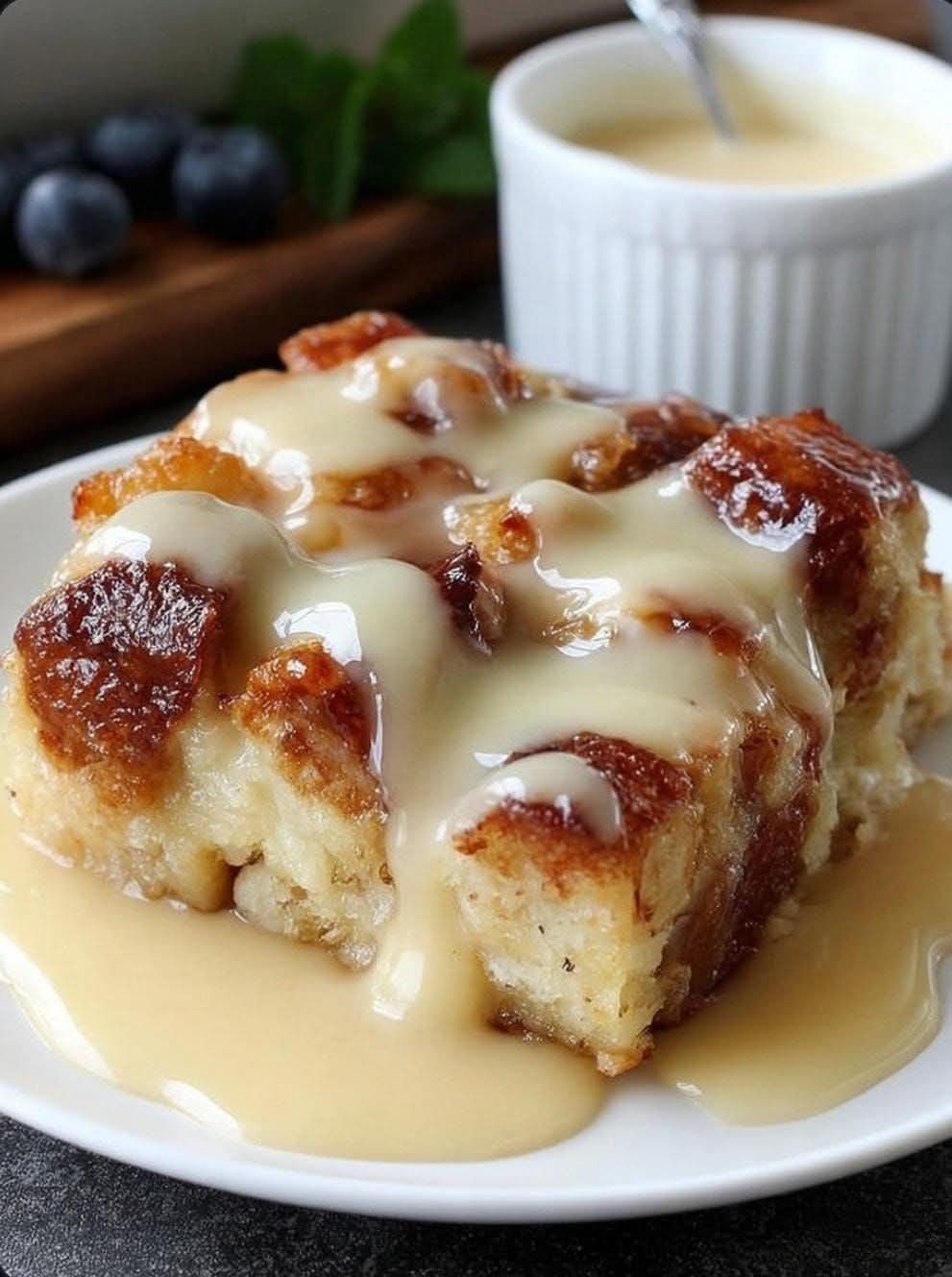
Traditional Irish Grandmother’s Homemade Recipe
Introduction
Some recipes are more than just instructions written on a piece of paper. They carry memories, family traditions, and the comforting feeling of being in a grandmother’s kitchen. This traditional Irish-inspired recipe is one of those special dishes that can be prepared throughout the year and enjoyed whenever you want something homemade, comforting, and full of familiar flavor.
My grandmother from Ireland shared this recipe with me, and it quickly became one of those recipes I never wanted to lose. She believed that good food did not need to be complicated. A handful of simple ingredients, a little patience, and careful preparation were enough to create something that everyone at the table would remember.
This recipe is wonderfully versatile. It can be prepared for an ordinary family meal, a weekend gathering, a holiday table, or simply when you want to bring a little old-fashioned comfort into your kitchen.
Ingredients
Main Ingredients
- 2 cups all-purpose flour
- 1 cup granulated sugar
- 1 teaspoon baking powder
- 1/2 teaspoon baking soda
- 1/4 teaspoon salt
- 1/2 teaspoon ground cinnamon
- 1/4 teaspoon ground nutmeg
- 1/2 cup unsalted butter, softened
- 2 large eggs
- 1 teaspoon vanilla extract
- 3/4 cup buttermilk
- 1 cup raisins or sultanas
- 1/2 cup finely chopped nuts, optional
- 1 tablespoon lemon zest
- 1 tablespoon Irish whiskey, optional
For Finishing
- A light dusting of powdered sugar, optional
- A little melted butter for serving, optional
- Fresh berries or fruit, optional
Instructions
Step 1: Prepare the Oven
Preheat the oven to 350°F (175°C). Grease a 9-inch round baking pan or line it with parchment paper.
Allow the oven to fully preheat before placing the mixture inside. A properly heated oven helps the recipe rise evenly and develop a beautiful golden surface.
Step 2: Prepare the Dry Ingredients
In a large bowl, combine the flour, baking powder, baking soda, salt, cinnamon, and nutmeg.
Whisk everything together thoroughly so the leavening agents and spices are evenly distributed throughout the flour.
Step 3: Cream the Butter and Sugar
In another large bowl, beat the softened butter and sugar together until light and creamy.
This step is important because incorporating air into the butter mixture helps create a lighter texture.
Add the eggs one at a time, mixing well after each addition. Stir in the vanilla extract and lemon zest.
Step 4: Combine the Mixtures
Gradually add the dry ingredients to the butter mixture, alternating with the buttermilk.
Begin with some of the dry ingredients, add part of the buttermilk, and continue alternating until everything is incorporated.
Do not overmix. Stop stirring as soon as the ingredients are combined.
Step 5: Add the Fruit and Nuts
Fold in the raisins or sultanas and the chopped nuts if using them.
If you want a slightly richer traditional flavor, a small amount of Irish whiskey can also be added at this stage.
The fruit should be distributed evenly throughout the batter.
Step 6: Bake
Transfer the batter to the prepared pan and smooth the top gently.
Place the pan in the preheated oven and bake for approximately 35 to 45 minutes, or until the top is golden brown and a toothpick inserted into the center comes out clean.
Baking time can vary depending on the oven and the size of the pan, so begin checking toward the end of the suggested baking time.
Step 7: Cool
Remove the finished recipe from the oven and allow it to cool in the pan for about 10 to 15 minutes.
Carefully transfer it to a wire rack and allow it to cool further before slicing.
For the best texture, give it enough time to settle before serving.
Method
The traditional method begins with combining the dry ingredients separately from the wet ingredients. This helps distribute the baking powder, baking soda, spices, and salt evenly.
The softened butter and sugar are then beaten together until creamy. Eggs are incorporated gradually, followed by vanilla and lemon zest.
The flour mixture and buttermilk are added little by little rather than all at once. This produces a smooth batter while preventing excessive mixing.
Finally, the dried fruit and optional nuts are folded in by hand. The finished mixture is placed into a prepared baking pan and baked until golden and fully cooked.
The result is a tender, fragrant homemade treat with a soft center, lightly crisp edges, and pockets of sweet fruit throughout.
The History Behind the Recipe
Irish home cooking has long been associated with simple ingredients, practical preparation, and recipes designed to feed families without unnecessary complication.
Traditional Irish kitchens often relied on ingredients that were readily available, including flour, butter, eggs, milk or buttermilk, oats, potatoes, dried fruit, and seasonal produce.
Family recipes were commonly passed from one generation to another. Instead of always being written with exact measurements, many were remembered by experience. Grandmothers and mothers often taught younger family members by showing them how the mixture should look and feel.
That tradition is part of what makes old family recipes so meaningful. The written recipe may be simple, but the memories attached to it can last for generations.
Formation of the Recipe
The character of this recipe comes from the combination of several traditional baking techniques.
The butter contributes richness, while the buttermilk helps create tenderness. The combination of baking powder and baking soda provides lift, while cinnamon and nutmeg give the recipe a warm aroma.
Raisins or sultanas provide natural sweetness and a pleasant chewy texture. Lemon zest adds brightness and prevents the finished recipe from tasting overly heavy.
The final formation should be moist and tender rather than dry. The outside should develop a gentle golden color while the center remains soft and flavorful.
Helpful Tips
For the best results, use room-temperature eggs and softened butter. This allows the ingredients to blend more evenly.
Do not overmix the batter after adding the flour. Excessive mixing can make the finished texture heavier.
If your raisins are particularly dry, soak them briefly in warm water, tea, or a small amount of whiskey before draining and adding them to the batter.
Allow the finished recipe to cool before slicing. Cutting it while it is extremely hot can cause the center to crumble.
For a stronger citrus flavor, increase the lemon zest slightly.
For a more traditional presentation, serve warm with a little butter.
Serving Suggestions
This recipe is wonderful served with a cup of tea or coffee.
It can also be served as part of a family breakfast, afternoon tea, or dessert table. For special occasions, arrange slices on a serving platter with fresh fruit.
A little powdered sugar can be sprinkled over the top just before serving, although the recipe is delicious without any additional decoration.
For a comforting dessert, serve a warm slice with lightly whipped cream or vanilla ice cream.
Why Lovers of Traditional Recipes Enjoy It
People who love old-fashioned recipes often appreciate them because they are uncomplicated and comforting.
This recipe does not depend on unusual ingredients or complicated techniques. Instead, it focuses on familiar flavors and the kind of homemade character associated with family kitchens.
It is also flexible enough to be enjoyed throughout the year. There is no need to wait for a particular holiday or season.
That makes it especially useful as a reliable family recipe: something you can prepare when guests arrive, when you are craving homemade food, or when you simply want to recreate a taste associated with childhood and family gatherings.
A Grandmother’s Kitchen Tradition
The most special part of a recipe like this is not necessarily the ingredients. It is the story behind it.
A grandmother teaching a family member how to measure flour, mix butter and sugar, fold in fruit, and recognize when something is properly baked creates a memory that cannot be replaced by a cookbook.
Every family eventually develops its own small changes. Someone may add extra raisins. Someone else may prefer more cinnamon. Another person may serve it warm with butter.
Those small differences are what turn a basic recipe into a family tradition.
Conclusion
This traditional Irish-inspired recipe is a beautiful example of how simple ingredients can become something memorable.
Passed down through family kitchens, recipes like this remind us that good cooking does not always require complicated methods. Sometimes the most treasured recipes are the ones made with familiar ingredients, patience, and a little love.
Whether you prepare it for breakfast, afternoon tea, a family gathering, or simply because you want something homemade, it is the kind of recipe that can become part of your own kitchen traditions.
And just like my grandmother’s recipe, it is one worth making throughout the entire year.