
A Recipe Worth Making Again
Introduction
Sometimes the best recipes are the ones we discover completely by accident. You hear about a dish you have never tried before, become curious enough to look for a recipe, and decide to give it a chance. That is exactly what happened with this recipe.
My boyfriend requested that I make this for him, and I had never even heard of it before. I tracked down a recipe, gathered everything I needed, and decided to give it a try. I was honestly not sure what to expect, but the finished dish turned out to be incredibly tasty.
It was one of those recipes that immediately makes you understand why people love it. The flavors came together beautifully, the texture was satisfying, and the entire kitchen smelled wonderful while it was cooking.
After the first bite, it was clear that this was not going to be a one-time experiment. It quickly became a recipe worth keeping and making again.
Ingredients
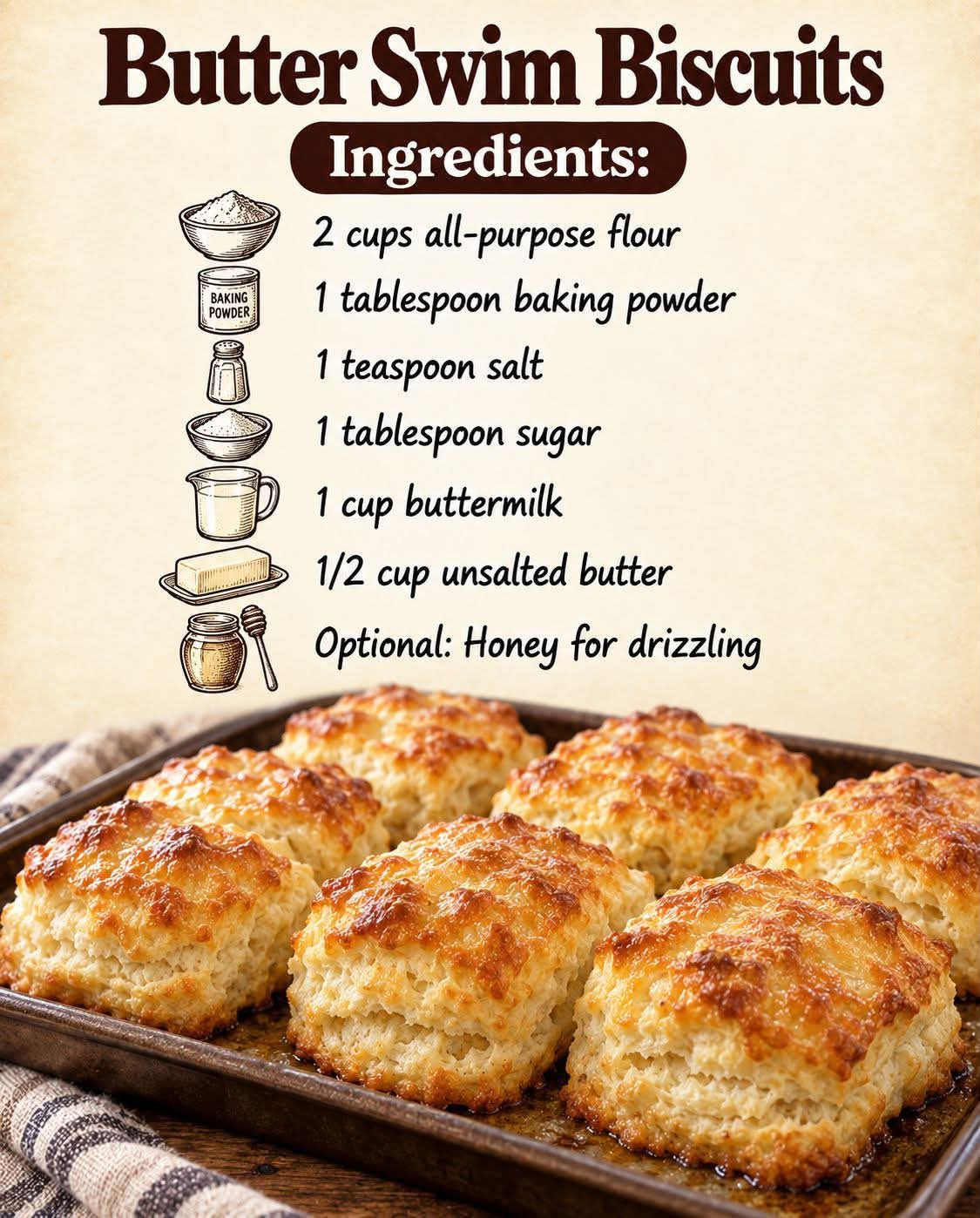
The exact ingredients depend on the specific version of the dish being prepared. For a complete recipe, use the following ingredient list from the original recipe you are following:
- Main ingredients for the dish
- Fresh vegetables or other produce, as required
- Seasonings and herbs
- Salt and black pepper, to taste
- Cooking oil or butter, as needed
- Sauce, stock, cream, or other liquid ingredients, depending on the recipe
- Optional garnishes or toppings
For the best result, prepare and measure all ingredients before beginning. Having everything ready makes the cooking process easier and helps prevent mistakes.
Instructions
Step 1: Prepare the Ingredients
Begin by washing, peeling, chopping, slicing, or measuring all of the ingredients required for the recipe.
Preparing everything ahead of time allows you to concentrate on the cooking rather than stopping repeatedly to prepare another ingredient.
Step 2: Prepare the Main Mixture
Combine the ingredients according to the recipe, adding the seasonings gradually. Mix thoroughly so the flavors are distributed evenly.
If the recipe requires sautéing, browning, or frying, allow the cooking surface to heat properly before adding the ingredients.
Step 3: Cook the Dish
Continue cooking according to the recipe instructions. Keep the heat at the appropriate level and stir or turn the ingredients when necessary.
The goal is to develop good flavor while making sure every component reaches the proper texture and doneness.
Step 4: Adjust the Seasoning
Taste the dish when appropriate and adjust the seasoning if necessary. A small amount of additional salt, pepper, herbs, or another seasoning can make a noticeable difference.
Avoid adding too much at once. It is easier to add seasoning than to correct an overly seasoned dish.
Step 5: Finish and Serve
Once everything is completely cooked, remove the dish from the heat and allow it to rest briefly if the recipe calls for it.
Transfer it to a serving dish and add any recommended garnish or finishing ingredients.
Serve while warm and enjoy.
Cooking Method
The secret to a delicious result is not necessarily complicated technique. Good preparation, appropriate cooking temperature, and patience are often what make the biggest difference.
Take time to properly prepare the ingredients before cooking. Avoid rushing the browning or sautéing stages, because these steps can create much of the dish’s depth of flavor.
If the recipe contains a sauce or cooking liquid, allow it enough time to develop and thicken properly. If it contains vegetables or other ingredients that should remain tender rather than mushy, monitor them carefully toward the end of cooking.
The finished dish should have balanced seasoning, appealing texture, and flavors that work together rather than competing with one another.
The History Behind Recipes Like This
Many beloved recipes have a similar story. They begin in one kitchen, are shared with family or friends, and gradually become part of someone’s regular cooking routine.
Recipes are often passed from one person to another through handwritten notes, cookbooks, family gatherings, community recipe exchanges, and eventually online recipe collections.
That is part of what makes discovering an unfamiliar recipe so enjoyable. A dish that may be completely new to one person can already be a treasured favorite somewhere else.
Trying recipes from different families, regions, and traditions gives home cooks an opportunity to discover new flavors while creating their own memories around the food.
Formation and Preparation
The formation of the dish comes from bringing several simple components together in the correct order.
Each ingredient contributes something different. Some provide flavor, others provide texture, richness, moisture, color, or aroma. When everything is prepared and cooked correctly, these individual ingredients become a complete dish that is much more satisfying than any one component by itself.
The preparation stage is especially important because consistency comes from treating each ingredient appropriately. Cutting ingredients into similar sizes can help them cook evenly, while adding ingredients at the correct time allows each one to reach its ideal texture.
Serving Suggestions
This recipe can be served as a main dish or as part of a larger meal, depending on the style of the recipe.
Consider serving it with:
- Fresh vegetables
- A simple salad
- Rice
- Potatoes
- Pasta
- Crusty bread
- Steamed vegetables
- A light side dish
For a special meal, arrange the finished dish attractively on a serving platter and add a simple garnish that complements the flavors.
Why Lovers of This Recipe Enjoy It
People who enjoy comforting homemade food will appreciate the combination of familiar ingredients and satisfying flavors.
One of the best things about discovering a new recipe is finding something that becomes part of your regular cooking routine. What begins as a request from someone else can quickly become one of your own favorites.
This is also the kind of recipe that can create memories. It may start with one person asking, “Can you make this?” and eventually become something everyone looks forward to eating.
Tips for the Best Results
Use fresh ingredients whenever possible.
Measure ingredients carefully, especially the first time you prepare the recipe.
Do not rush the cooking process. Give each stage enough time to develop properly.
Taste when appropriate and adjust seasoning gradually.
Allow the finished dish to rest when necessary before serving.
If you are making the recipe for the first time, follow the original quantities closely. Once you become familiar with it, you can experiment with small adjustments to suit your preferences.
Conclusion
What began as a request for a recipe I had never even heard of turned into a delicious discovery.
Sometimes the recipes we are most hesitant to try become the ones we make again and again. This dish was a perfect example. I found the recipe, gave it a chance, and was pleasantly surprised by how tasty the final result was.
Now that it has been tested and enjoyed, it definitely deserves a place in the recipe collection.
And when someone asks for it again, the answer will be easy: absolutely.
For the Lovers of Homemade Recipes
If you love discovering new dishes, trying recipes requested by family or friends, and turning unfamiliar foods into new favorites, this is exactly the kind of recipe worth keeping.
Good food does more than fill a plate. It brings people together, starts conversations, creates memories, and gives us another reason to gather around the table.
Sometimes all it takes is one request, one recipe, and a little curiosity to discover something truly delicious.