
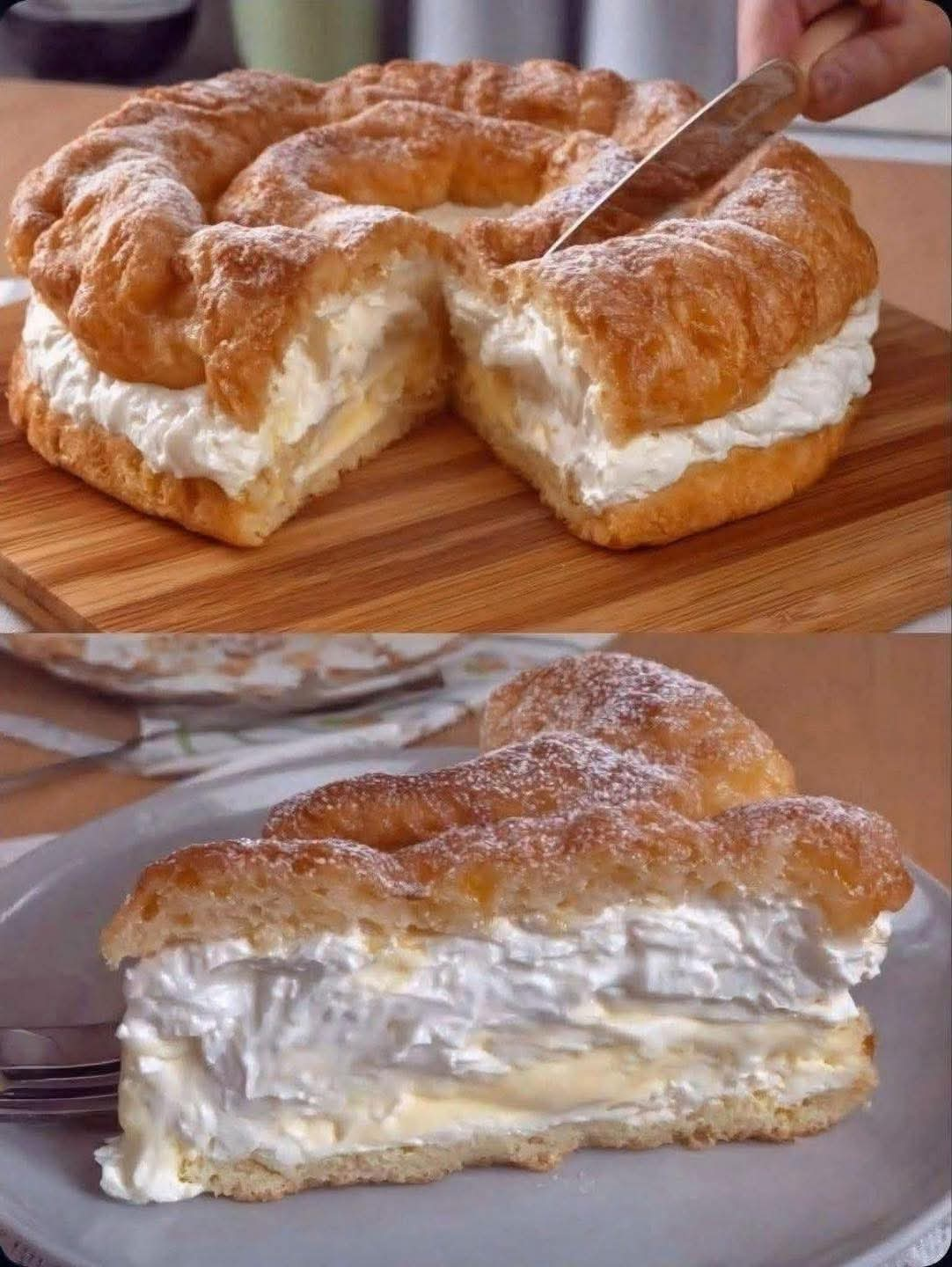
Easy Cream Cheese Cake
Introduction
I tried one of the easiest cream cheese cake recipes I could find, expecting it to be good but nothing extraordinary. Instead, I ended up with a wonderfully soft and creamy cake that tasted like something from a beautiful neighborhood bakery.
The texture is rich without being heavy, the cream cheese gives it a gentle tang, and the sweetness is perfectly balanced. It is the kind of cake that feels special enough for guests but simple enough to make on an ordinary afternoon.
The best part is how quickly the batter comes together. There are no complicated decorating techniques, no layers to assemble, and no difficult ingredients. Mix the ingredients, pour the batter into the pan, bake, cool, and serve.
It is especially lovely with afternoon tea or coffee. A light dusting of powdered sugar is all it needs, although fresh berries or a spoonful of whipped cream can turn it into an elegant dessert.
Ingredients
For the Cake
- 8 ounces cream cheese, softened
- 1/2 cup unsalted butter, softened
- 1 cup granulated sugar
- 3 large eggs, room temperature
- 2 teaspoons vanilla extract
- 1 1/2 cups all-purpose flour
- 2 teaspoons baking powder
- 1/4 teaspoon salt
- 1/2 cup whole milk
- 1 tablespoon fresh lemon juice
- 1 teaspoon finely grated lemon zest, optional
For Finishing
- Powdered sugar, for dusting
- Fresh strawberries, raspberries, or blueberries, optional
- Whipped cream, optional
Instructions
1. Prepare the Oven and Pan
Preheat the oven to 350°F (175°C).
Grease a 9-inch round cake pan and line the bottom with parchment paper. Lightly grease the parchment as well.
Allow the cream cheese and butter to soften at room temperature. This is important because softened ingredients blend much more smoothly and produce a creamier batter.
2. Cream the Butter and Cream Cheese
Place the softened cream cheese and butter in a large mixing bowl.
Beat them together until completely smooth and creamy. Scrape down the sides of the bowl as needed.
Add the sugar gradually and continue beating for several minutes until the mixture becomes lighter and fluffy.
This step helps create the soft texture that makes the finished cake feel almost bakery-made.
3. Add the Eggs
Add the eggs one at a time, beating well after each addition.
Add the vanilla extract, lemon juice, and lemon zest if using.
The mixture may look slightly loose at this stage, which is perfectly normal.
4. Combine the Dry Ingredients
In a separate bowl, whisk together the flour, baking powder, and salt.
Adding the dry ingredients separately helps distribute the baking powder and salt evenly throughout the cake.
5. Finish the Batter
Add about one-third of the dry ingredients to the cream cheese mixture and mix gently.
Add half of the milk and mix again.
Continue alternating the remaining flour mixture and milk, beginning and ending with the dry ingredients.
Mix only until everything is combined. Avoid overmixing, because too much mixing can make the cake heavier and less tender.
6. Fill the Pan
Pour the batter into the prepared cake pan.
Smooth the surface gently with a spatula.
Tap the pan lightly on the counter once or twice to release any large air bubbles.
7. Bake
Place the cake in the preheated oven and bake for approximately 40 to 50 minutes.
The exact baking time will depend on your oven and pan.
The cake is ready when the top is lightly golden and a toothpick inserted into the center comes out clean or with a few moist crumbs attached.
Do not overbake it. The goal is a tender, moist center rather than a dry cake.
8. Cool the Cake
Remove the cake from the oven and allow it to cool in the pan for about 10 to 15 minutes.
Run a thin knife around the edge to loosen it, then carefully remove the cake from the pan.
Place it on a wire rack and allow it to cool completely before slicing.
9. Finish and Serve
Once completely cool, dust the top lightly with powdered sugar.
For a more elegant presentation, serve individual slices with fresh berries and a small spoonful of whipped cream.
The cake can also be served completely plain. Its creamy texture and subtle tang make it delicious without a heavy frosting.
Method
The key method behind this cake is simple: cream the softened cream cheese and butter thoroughly before adding the remaining ingredients.
Creaming incorporates air into the mixture and creates a lighter structure. Adding the eggs individually helps maintain a smooth batter, while alternating the flour and milk prevents the mixture from becoming overly dense.
The cream cheese provides richness and a mild tang that balances the sugar. Lemon juice and zest are optional, but they add brightness and make the flavor taste fresh rather than overly rich.
The finished cake should be soft, moist, tender, and slightly dense in the way a good cream cheese cake should be.
The History and Inspiration
Cream cheese has become a familiar ingredient in American baking, particularly in cheesecakes, frostings, pound cakes, coffee cakes, and other rich desserts.
Cream cheese cakes developed from the broader tradition of combining cultured dairy products with butter, sugar, and flour to create rich but relatively simple home-baked desserts.
Unlike a traditional cheesecake, which is usually baked with a large proportion of cream cheese and often has a crumb crust, a cream cheese cake uses cream cheese as part of the cake batter itself.
That gives it a distinctive texture: richer than an ordinary sponge cake but lighter and simpler than a traditional cheesecake.
Recipes like this became popular because they could be prepared in a single bowl or with very little equipment, making them ideal for family gatherings, afternoon coffee, tea parties, and weekend baking.
Formation and Texture
The formation of this cake depends on several simple baking principles.
The butter and cream cheese create richness and tenderness. Sugar adds sweetness while also contributing to the cake’s soft texture.
Eggs provide structure and help bind the ingredients together. Flour provides the framework of the cake, while baking powder creates the lift needed to keep it from becoming too dense.
Milk loosens the batter and contributes moisture. The small amount of lemon juice adds acidity and balances the richness of the cream cheese.
When baked correctly, these ingredients come together to create a cake with a lightly golden exterior and a soft, creamy crumb.
Tips for the Best Cream Cheese Cake
Use full-fat cream cheese for the richest texture.
Make sure the cream cheese and butter are properly softened before mixing. Cold cream cheese can leave small lumps in the batter.
Use room-temperature eggs when possible. They incorporate more easily into the mixture.
Do not overmix after adding the flour. Stop mixing as soon as the batter becomes smooth.
Avoid opening the oven repeatedly during baking, especially during the first 30 minutes.
Allow the cake to cool before slicing. Cutting it while it is still very hot can make the center appear overly soft.
For the cleanest slices, use a sharp knife and wipe it clean between cuts.
Serving Ideas
For afternoon tea, serve thin slices with tea or coffee and a small amount of fresh fruit.
For dessert, add strawberries, raspberries, or blueberries.
For a more indulgent presentation, add whipped cream and a light drizzle of berry sauce.
For a simple breakfast cake, serve it plain with coffee.
You can also lightly toast a slice the following day and serve it with fresh fruit.
Variations
Lemon Cream Cheese Cake
Increase the lemon zest to 2 teaspoons and add an extra teaspoon of lemon juice for a brighter citrus flavor.
Berry Cream Cheese Cake
Fold a small handful of fresh blueberries into the finished batter before baking.
Vanilla Cream Cheese Cake
For a stronger vanilla flavor, use 1 tablespoon of pure vanilla extract.
Almond Cream Cheese Cake
Replace 1 teaspoon of the vanilla extract with almond extract and sprinkle sliced almonds over the top before baking.
Orange Cream Cheese Cake
Replace the lemon zest with finely grated orange zest for a softer, sweeter citrus flavor.
Conclusion
This easy cream cheese cake proves that homemade baking does not need to be complicated to taste impressive.
With simple ingredients and a straightforward method, you get a cake that is creamy, tender, lightly tangy, and pleasantly sweet. It is the kind of dessert that looks elegant on a serving plate while requiring very little effort in the kitchen.
Serve it for afternoon tea, bring it to a family gathering, or make it simply because you want something homemade with your coffee.
One slice is often enough to make people ask the same question: “Did you really make this yourself?”
For Cream Cheese Cake Lovers
If you love desserts that are creamy without being excessively sweet, this cake is an excellent choice.
It has the comforting simplicity of a homemade butter cake with the richness and subtle tang of cream cheese. There is no need for a thick frosting or complicated decoration.
Sometimes the simplest cakes are the ones people remember most. This is a cake made for sharing, conversation, afternoon tea, and those quiet moments when a homemade dessert is exactly what you want.