
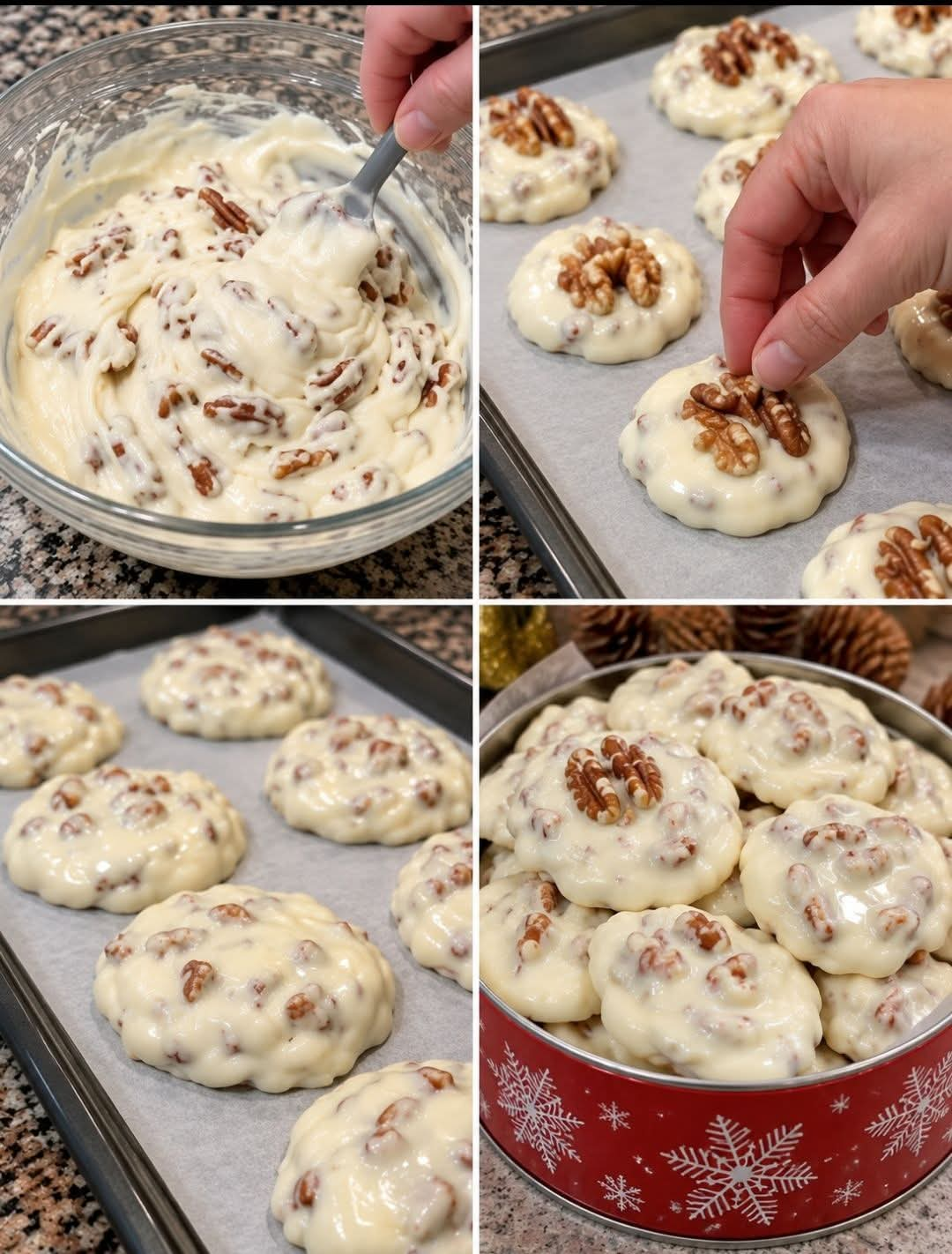
Classic Christmas Cookies: A Simple, Delicious Holiday Tradition
Introduction
There is something truly special about homemade Christmas cookies. The sweet aroma of freshly baked treats filling the kitchen, the warmth of the oven on a cold winter day, and the joy of sharing delicious cookies with family and friends make the holiday season unforgettable.
These classic Christmas cookies are the kind of treats that disappear quickly from the dessert table. They are simple to prepare, made with everyday baking ingredients, and full of comforting homemade flavor. Whether you are preparing a few dozen for your family or baking hundreds to share with neighbors, friends, and holiday guests, this recipe is a wonderful addition to your Christmas baking collection.
The original post does not include the actual cookie ingredients, so the recipe below is a complete, easy-to-make version of classic buttery Christmas sugar cookies. They have lightly crisp edges, tender centers, and a delicate sweetness that makes them perfect for decorating or enjoying plain.
Ingredients
For the cookies
- 1 cup (226 g) unsalted butter, softened
- 1 cup (200 g) granulated sugar
- 2 large eggs
- 2 teaspoons vanilla extract
- 3 cups (375 g) all-purpose flour
- 1 teaspoon baking powder
- 1/2 teaspoon salt
- 1 tablespoon milk, if needed
Optional decorations
- 1/2 cup granulated sugar for rolling
- Colored sugar or Christmas sprinkles
- 1 cup powdered sugar for a simple glaze
- 1–2 tablespoons milk for the glaze
- 1/2 teaspoon vanilla extract for the glaze
Instructions
Step 1: Prepare the baking equipment
Preheat your oven to 350°F (175°C). Line two baking sheets with parchment paper to prevent sticking and help the cookies bake evenly.
Measure all your ingredients before beginning. Make sure the butter is softened enough to press easily with a finger but is not melted.
Step 2: Cream the butter and sugar
Place the softened butter and granulated sugar in a large mixing bowl. Beat with an electric mixer for approximately 2–3 minutes, until the mixture becomes light and fluffy.
This step helps incorporate air into the dough and contributes to a tender cookie texture.
Step 3: Add the eggs and vanilla
Add the eggs one at a time, mixing well after each addition. Pour in the vanilla extract and continue mixing until everything is smooth and evenly combined.
Scrape down the sides of the bowl to ensure that all the ingredients are incorporated.
Step 4: Combine the dry ingredients
In a separate bowl, whisk together the flour, baking powder, and salt.
Gradually add the dry ingredients to the butter mixture, mixing on low speed until a soft dough forms. Avoid overmixing, as too much mixing can make the cookies firm.
If the dough seems unusually dry, add the milk one teaspoon at a time until it comes together.
Step 5: Chill the dough
Cover the dough and refrigerate it for approximately 30 minutes. Chilling makes the dough easier to handle and helps prevent excessive spreading in the oven.
If you are preparing cookies in large batches for Christmas, keep the remaining dough refrigerated while working with each portion.
Step 6: Shape the cookies
Scoop approximately 1 tablespoon of dough for each cookie and roll it into a ball. If desired, roll each ball in granulated sugar for a delicate, sparkling finish.
Place the dough balls on the prepared baking sheets, leaving about 2 inches between them.
For cutout cookies, roll the chilled dough on a lightly floured surface and use your favorite holiday cookie cutters.
Step 7: Bake until lightly golden
Bake for 9–12 minutes, depending on the size and thickness of the cookies.
The edges should be set, while the centers may look slightly soft. Do not wait for the entire cookie to become dark brown, because that can make the finished cookies dry.
Allow the cookies to rest on the baking sheet for 5 minutes before transferring them to a wire rack.
Step 8: Decorate and cool
Let the cookies cool completely before adding any glaze or decorations.
For a simple glaze, mix the powdered sugar with milk and vanilla until smooth. Drizzle it over the cooled cookies and add sprinkles if desired.
Allow the glaze to set before storing the cookies in an airtight container.
Methods of Preparation
There are several ways to prepare these cookies, depending on your preferred texture and the amount of time available.
Traditional mixing method: Creaming the butter and sugar first produces a classic homemade cookie with a tender interior and lightly crisp edges.
Hand-mixing method: A sturdy wooden spoon can be used to combine the butter and sugar, followed by the eggs and dry ingredients. This works especially well for smaller batches.
Cutout method: Chill the dough thoroughly, roll it out, and cut festive shapes such as stars, trees, bells, and snowflakes. Keep the dough cool for cleaner shapes.
Make-ahead method: Prepare the dough a day in advance and refrigerate it in a tightly covered container. Let it soften slightly if it becomes too firm to roll.
Freezing method: Freeze shaped, unbaked dough balls on a tray before transferring them to a freezer-safe container. Bake from frozen, adding a little extra baking time and checking for doneness.
The History of Christmas Cookies
Christmas cookies have a long history connected with winter celebrations, family gatherings, and holiday gift-giving. In Europe, spices such as cinnamon, ginger, cloves, and nutmeg became popular in festive baked goods as trade expanded and ingredients became more accessible.
Different countries developed their own holiday traditions. Gingerbread cookies became associated with winter festivities, while shortbread and butter cookies gained popularity for their rich flavor and simple ingredients. Decorative cutout cookies also became a favorite activity for families, allowing children and adults to participate in holiday preparations.
As baking traditions traveled across the world, recipes adapted to local ingredients and tastes. Today, Christmas cookies come in countless varieties, from delicate butter cookies and sugar cookies to chocolate treats, nut-filled biscuits, and colorful decorated creations.
The tradition remains the same: preparing something delicious to share with the people who matter most.
Formation and Texture of the Cookies
The texture of these cookies depends on how the ingredients work together.
- Butter provides richness and creates a tender crumb.
- Sugar contributes sweetness, encourages browning, and helps create lightly crisp edges.
- Eggs bind the ingredients and provide structure.
- Flour forms the main framework of the cookie.
- Baking powder provides a little lift, keeping the cookies from becoming too dense.
- Vanilla extract adds a warm aroma that complements the buttery flavor.
Creaming the butter and sugar introduces air into the mixture. During baking, the dough spreads slightly as the butter melts, while the eggs and flour help the cookies set.
For softer cookies, avoid overbaking and store them in an airtight container once completely cool. For slightly crisper cookies, bake until the edges develop a light golden color.
Tips for Making 400 Christmas Cookies
If you want to prepare hundreds of cookies for a holiday gathering or gift boxes, organization is essential.
- Calculate your batches. This recipe makes approximately 36–42 small cookies, depending on their size. For 400 cookies, plan on roughly 10–12 batches.
- Measure ingredients carefully. A kitchen scale helps keep each batch consistent.
- Prepare the dough in stages. Make manageable batches instead of trying to mix an enormous quantity at once.
- Use multiple baking sheets. Prepare one tray while another is in the oven, but place dough on cool baking sheets.
- Keep cookie sizes consistent. A tablespoon-sized scoop helps the cookies bake evenly.
- Cool completely before packing. Warm cookies can create condensation inside containers and soften their texture.
- Store and label each batch. Keep the cookies in airtight containers in a cool, dry place, and separate varieties if you make several flavors.
For longer storage, freeze the fully cooled cookies in airtight freezer-safe containers, separating layers with parchment paper.
Delicious Variations
Once you have mastered the basic recipe, you can make several different versions using the same dough.
1. Classic Vanilla Sugar Cookies
Roll the dough balls in granulated sugar before baking for a simple, sweet finish.
2. Chocolate-Dipped Christmas Cookies
After the cookies cool, dip half of each cookie in melted chocolate and let it set.
3. Cinnamon Sugar Cookies
Combine 2 tablespoons of sugar with 1 teaspoon of cinnamon and roll the dough balls in the mixture before baking.
4. Festive Sprinkle Cookies
Gently press Christmas sprinkles onto the tops of the dough balls before baking.
5. Almond Vanilla Cookies
Replace half a teaspoon of the vanilla extract with almond extract for a delicate, nutty aroma.
Serving Suggestions
Serve these cookies with hot chocolate, coffee, tea, or a glass of cold milk. Arrange them on a festive platter alongside brownies, fudge, peppermint candies, and other holiday favorites.
They also make lovely homemade gifts. Place cooled cookies in decorative tins, food-safe gift bags, or small boxes lined with parchment paper. Add a handwritten label and share them with friends, coworkers, neighbors, and family members.
For a holiday dessert table, arrange the cookies by shape and decoration to create an attractive display without needing elaborate preparation.
Conclusion
These classic Christmas cookies are a reminder that holiday baking does not need to be complicated to be memorable. With simple ingredients, straightforward preparation, and a little patience, you can create a generous batch of homemade treats that everyone will enjoy.
Whether you bake a single tray for a quiet evening or prepare hundreds for a Christmas celebration, the real magic comes from sharing them. Every cookie can become part of a family tradition, a thoughtful gift, or a sweet memory that returns year after year.
For Christmas Cookie Lovers
If you love buttery cookies, simple recipes, and the comforting traditions of Christmas baking, this recipe is a wonderful place to start. Make them plain, decorate them with colorful sprinkles, or experiment with your favorite flavors to create a collection that suits your family.
Bake a batch, share a plate with someone you love, and enjoy the simple happiness of homemade Christmas cookies.
Recipe note: The original social media post mentions popular Christmas cookies but does not identify the cookie type or provide its ingredient list. This is a suggested classic sugar-cookie recipe, not a verified transcription of the original. If you share the actual cookie name or ingredients from the first comment, I can write the full recipe to match it exactly.