
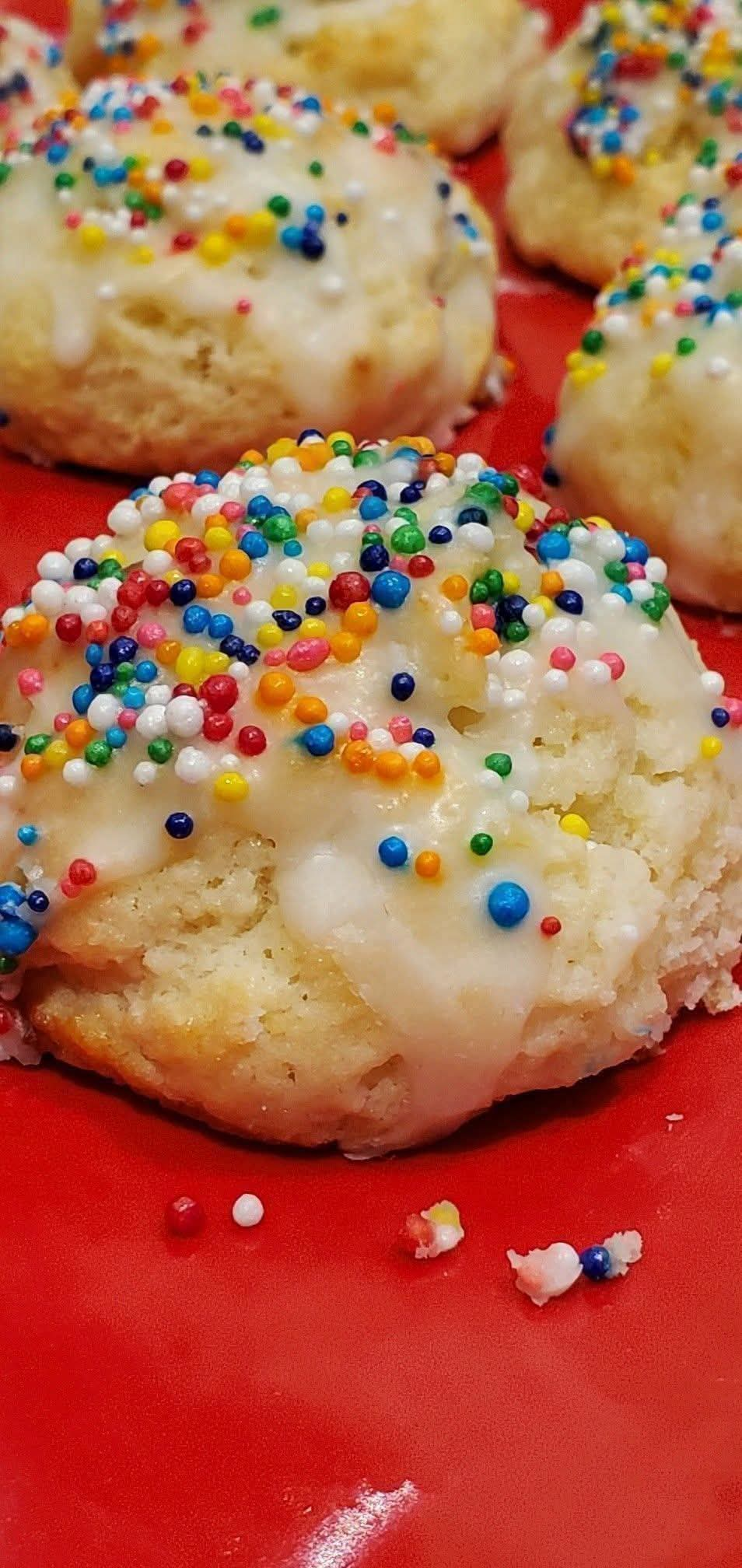
Italian Lemon Ricotta Cookies: Soft, Moist, and Full of Fresh Lemon Flavor
Introduction
Italian Lemon Ricotta Cookies are a classic-style homemade treat known for their soft, delicate texture, refreshing lemon flavor, and sweet lemon glaze. These cookies are different from ordinary butter cookies because ricotta cheese gives them a wonderfully tender, cake-like consistency that practically melts in your mouth.
Every bite combines the gentle richness of ricotta cheese with the bright, fresh taste of lemon zest and lemon juice. The result is a cookie that is sweet without being too heavy, making it perfect for afternoon coffee, family gatherings, holiday celebrations, bake sales, and homemade gifts.
These beautiful cookies are especially popular among people who love traditional Italian baking. Their simple ingredients and elegant flavor make them suitable for Christmas cookie trays, Easter celebrations, birthdays, and everyday desserts.
The best part is that you do not need complicated baking techniques. With a few basic ingredients, fresh lemons, and good-quality ricotta cheese, you can prepare a batch of soft Italian cookies topped with a smooth, tangy lemon glaze.
Preparation Details
- Preparation time: 20 minutes
- Chilling time: 30 minutes, optional but recommended
- Baking time: 12–15 minutes per batch
- Total time: Approximately 1 hour
- Yield: 30–36 cookies
- Difficulty: Easy
- Baking temperature: 350°F (175°C)
Ingredients
For the lemon ricotta cookies
- 2½ cups (315 g) all-purpose flour
- 1 teaspoon baking powder
- ½ teaspoon baking soda
- ¼ teaspoon salt
- ½ cup (113 g) unsalted butter, softened
- 1 cup (200 g) granulated sugar
- 1 cup (about 250 g) whole-milk ricotta cheese, well drained if watery
- 1 large egg, at room temperature
- 2 tablespoons fresh lemon juice
- 2 tablespoons finely grated lemon zest
- 1 teaspoon vanilla extract
- ¼ teaspoon almond extract, optional
For the lemon glaze
- 1½ cups (180 g) powdered sugar
- 2–3 tablespoons fresh lemon juice
- 1 teaspoon finely grated lemon zest
- 1–2 teaspoons milk, only if needed to adjust the consistency
Optional decorations
- A little extra lemon zest
- A light dusting of powdered sugar
- Thin curls of lemon peel
- A few finely chopped pistachios
Equipment Needed
- Large mixing bowl
- Medium mixing bowl
- Electric hand mixer or stand mixer
- Measuring cups and spoons
- Kitchen scale, if available
- Fine grater or zester
- Rubber spatula
- Baking sheets
- Parchment paper
- Wire cooling rack
- Small bowl for preparing the glaze
Instructions
Step 1: Prepare the oven and baking sheets
Preheat your oven to 350°F (175°C).
Line two baking sheets with parchment paper. This prevents the cookies from sticking and helps them bake evenly without developing overly dark bottoms.
Wash and dry your lemons before zesting them. Grate only the yellow outer peel, avoiding the bitter white pith underneath.
Measure all your ingredients before beginning so the preparation process is smooth and easy.
Step 2: Combine the dry ingredients
In a medium bowl, whisk together the flour, baking powder, baking soda, and salt.
Mix thoroughly to distribute the leavening agents evenly throughout the flour.
Set the bowl aside while you prepare the wet ingredients.
Step 3: Cream the butter and sugar
Place the softened butter and granulated sugar in a large mixing bowl.
Beat with an electric mixer for approximately 2–3 minutes, until the mixture becomes light and creamy.
This step helps create a delicate cookie texture. Scrape down the sides of the bowl occasionally to ensure everything is evenly combined.
Step 4: Add the ricotta cheese
Add the ricotta cheese to the butter and sugar mixture.
Beat until smooth and creamy, scraping the bowl as needed.
The ricotta should be well incorporated without large lumps. Its moisture and richness are what make these cookies especially soft.
If your ricotta contains excess liquid, drain it before measuring. This helps prevent the dough from becoming too wet.
Step 5: Add the egg, lemon, and vanilla
Add the egg, fresh lemon juice, lemon zest, and vanilla extract to the ricotta mixture.
Beat on medium speed until everything is combined.
The lemon zest provides a fragrant citrus aroma, while the juice adds a pleasant tanginess. Vanilla balances the citrus flavor and gives the cookies a rounded, bakery-style taste.
If desired, add a small amount of almond extract for a subtle Italian bakery-inspired flavor.
Step 6: Incorporate the dry ingredients
Add the flour mixture to the wet ingredients in two or three additions.
Mix on low speed just until no dry flour remains. You can finish folding the dough with a rubber spatula.
The dough should be soft, thick, and slightly sticky. Avoid adding too much extra flour, as this can make the cookies dry and heavy.
For easier handling, cover the bowl and refrigerate the dough for about 30 minutes.
Step 7: Shape the cookies
Use a tablespoon or small cookie scoop to portion the dough into evenly sized mounds.
Place them on the prepared baking sheets, leaving approximately 2 inches (5 cm) between each cookie.
The cookies should have a rounded, slightly domed appearance. There is no need to flatten them because they will spread gently as they bake.
For uniform results, keep the portions similar in size.
Step 8: Bake until just set
Place the baking sheet in the preheated oven and bake for 12–15 minutes.
The cookies should look set on top, with pale golden bottoms and soft centers. They generally remain much lighter in color than traditional butter cookies.
Do not wait for the tops to become deeply golden. Overbaking can make the cookies dry and reduce their delicate texture.
Allow the cookies to rest on the baking sheet for approximately 5 minutes before transferring them carefully to a wire rack.
Step 9: Prepare the lemon glaze
While the cookies cool, place the powdered sugar in a small bowl.
Add 2 tablespoons of fresh lemon juice and whisk until smooth.
Add more lemon juice, a few drops at a time, until the glaze is thick but pourable. If it becomes too thin, add a little more powdered sugar.
Stir in the additional lemon zest for an even brighter citrus flavor.
The glaze should coat the back of a spoon and slowly drip from it rather than run like water.
Step 10: Glaze the cooled cookies
Make sure the cookies have cooled completely before glazing them.
Spoon a little lemon glaze over each cookie, spreading it gently toward the edges.
Alternatively, dip the tops of the cookies into the glaze and allow the excess to drip back into the bowl.
Arrange the glazed cookies on a wire rack and allow the glaze to set for approximately 30–60 minutes.
For an attractive finishing touch, sprinkle a little fresh lemon zest over the glaze before it dries.
Step 11: Serve and enjoy
Once the glaze has set, transfer the cookies to a serving plate or airtight container.
Serve them with coffee, tea, warm milk, or your favorite afternoon beverage.
Their tender texture and refreshing lemon flavor make them delicious at room temperature, especially after the flavors have had a little time to settle.
Method: How to Achieve Perfect Italian Lemon Ricotta Cookies
The secret to excellent lemon ricotta cookies is balancing moisture, citrus flavor, and baking time.
1. Use good-quality ricotta. Whole-milk ricotta creates a richer, softer cookie. If it is particularly watery, drain it first.
2. Use fresh lemons. Freshly grated zest contributes much of the characteristic lemon aroma. Bottled lemon juice alone will not provide the same fragrance.
3. Measure the flour carefully. Too much flour can make the cookies dense. Weighing the flour is the most reliable option.
4. Avoid overmixing. Once the flour is added, mix only until the dough comes together. Excessive mixing can make the texture less tender.
5. Chill sticky dough if necessary. A short rest in the refrigerator makes the dough easier to scoop and can help the cookies maintain their shape.
6. Watch the bottoms, not just the tops. These cookies should remain pale. Remove them when they are set and lightly golden underneath.
7. Glaze only after cooling. Warm cookies will absorb or melt the glaze instead of developing a smooth, attractive coating.
History of Italian Lemon Ricotta Cookies
Ricotta cheese has a long history in Italian cooking. Traditionally made from the whey left over during the production of other cheeses, ricotta became an important ingredient in many Italian regions because it could be used in both savory and sweet dishes.
Italian home cooks have long incorporated ricotta into cakes, pastries, filled desserts, and regional specialties. Its mild flavor and creamy texture make it particularly useful in baking, where it can contribute moisture and tenderness.
Lemons are also deeply associated with Italian cuisine, especially in southern Italy and coastal areas where citrus fruits have been cultivated for generations. Regions such as Sicily and the Amalfi Coast are renowned for their fragrant lemons and lemon-based sweets.
Ricotta cookies with lemon reflect this broader Italian baking tradition: making delicious desserts from familiar ingredients, balancing sweetness with citrus, and preparing treats to share with family and guests.
There is no single universally documented origin for the modern Italian lemon ricotta cookie. Recipes vary among families and contemporary American-Italian bakeries. Many versions are associated with Italian-American holiday baking, where soft ricotta cookies are decorated with icing, sprinkles, or citrus zest.
Today, these cookies remain popular because they combine the comfort of traditional homemade baking with a fresh flavor that feels suitable for every season.
Formation: Understanding the Texture and Flavor
The special texture of these cookies comes from the interaction of several ingredients.
The role of ricotta cheese
Ricotta adds moisture and dairy richness to the dough. Unlike a crisp shortbread cookie, a ricotta cookie is intended to be soft and tender, with a texture closer to a small cake.
The role of butter and sugar
Butter contributes flavor and tenderness, while sugar adds sweetness and helps the cookies develop their structure during baking.
Creaming these ingredients together also introduces air, helping the finished cookies feel lighter.
The role of eggs
The egg helps bind the ingredients and contributes structure. It also supports a soft, cohesive crumb.
The role of flour and leavening
Flour provides the structure needed for the cookies to hold their shape. Baking powder and baking soda help them rise gently, creating a slightly domed surface and delicate interior.
The role of lemon
Lemon zest contains aromatic oils that deliver a concentrated citrus fragrance. Lemon juice contributes acidity and brightness, cutting through the richness of the butter and ricotta.
The role of the glaze
The glaze provides a sweet, tangy finish and a smooth surface that contrasts pleasantly with the soft cookie beneath it.
Together, these ingredients produce a cookie that is moist, tender, fragrant, and pleasantly sweet.
Tips for Variations and Personalization

Extra-Lemony Cookies
Add another teaspoon of lemon zest to the dough and a little additional zest to the glaze. Avoid adding too much juice, which could make the dough excessively wet.

Festive Holiday Cookies
Add small nonpareil sprinkles to the glaze before it sets. These cookies make a lovely addition to Christmas dessert platters and family celebrations.

Lemon and Pistachio Cookies
Sprinkle finely chopped pistachios over the wet glaze. Their delicate nutty flavor pairs beautifully with the citrus.

Vanilla-Lemon Cookies
Replace a small portion of the lemon juice in the glaze with milk and add a few drops of vanilla extract for a milder, creamier finish.
Storage and Make-Ahead Instructions
- Room temperature: Store glazed cookies in an airtight container for up to 2 days in a cool environment.
- Refrigerator: Because these cookies contain ricotta, refrigerate them in an airtight container for up to 5 days for better food safety and freshness.
- Freezing unglazed cookies: Cool completely, freeze in a sealed freezer-safe container, and use within about 2 months for best quality.
- Freezing glazed cookies: The glaze may become less attractive after thawing, so freezing the cookies without glaze is preferable.
- Make-ahead dough: Cover and refrigerate the dough overnight if desired. If it becomes firm, let it soften slightly before scooping.
- Serving: Allow refrigerated cookies to sit briefly at room temperature before serving for the best texture.
Avoid leaving ricotta cookies at room temperature for extended periods, especially in warm conditions.
Serving Suggestions
Italian Lemon Ricotta Cookies pair wonderfully with:
- Freshly brewed espresso or cappuccino.
- Black tea or herbal tea.
- A platter of strawberries, raspberries, and blueberries.
- Vanilla ice cream for a simple dessert.
- Other Italian-style cookies during the holidays.
- A homemade dessert tray for birthdays, potlucks, and family dinners.
For an elegant presentation, arrange the cookies on a white serving plate and finish with a few thin curls of lemon peel.
Troubleshooting: Common Mistakes to Avoid
Why are my cookies flat?
The dough may be too warm, the ricotta may contain excess moisture, or the flour may have been undermeasured. Chill the dough and measure the ingredients accurately.
Why are my cookies dry?
They may have been overbaked or contain too much flour. Remove them when the tops are set and the bottoms are lightly golden.
Why is the dough sticky?
Ricotta dough is naturally soft and sticky. Refrigerate it for 30 minutes before scooping instead of immediately adding large amounts of extra flour.
Why is my glaze too runny?
Add powdered sugar a tablespoon at a time until it reaches a thicker consistency.
Why does my glaze disappear into the cookies?
The cookies were probably still warm. Let them cool completely before glazing.
Can I use low-fat ricotta?
Yes. However, the texture and richness may differ slightly. Drain watery ricotta carefully and avoid overbaking.
Conclusion
Italian Lemon Ricotta Cookies are a wonderful example of how simple ingredients can create something truly special. The creamy ricotta produces a tender, cake-like texture, while fresh lemon zest and juice bring a bright flavor that makes every bite refreshing.
Finished with a smooth lemon glaze, these cookies are beautiful enough for holiday gatherings but simple enough to make on an ordinary afternoon.
Whether you are preparing them for your family, sharing them with neighbors, or adding a homemade treat to a celebration, this recipe offers a delightful combination of traditional inspiration and fresh citrus flavor.
For the best results, use fresh lemons, measure your flour carefully, avoid overbaking, and allow the cookies to cool completely before adding the glaze.
For the Love of Homemade Italian Cookies
Some of the most memorable recipes are the ones shared around a family table. A plate of soft lemon ricotta cookies beside a cup of coffee can turn a simple visit into a special moment.
Their gentle sweetness, delicate crumb, and bright lemon aroma make them a lovely treat to share with friends, family members, and anyone who appreciates homemade baking.
Bake a batch, arrange them on your favorite serving plate, and enjoy the comforting pleasure of a fresh homemade cookie.
A Few Final Baker’s Secrets
- For the strongest lemon aroma, rub the lemon zest into the sugar with your fingertips before creaming it with the butter.
- Use room-temperature butter and egg to help the dough mix evenly.
- Keep the cookies similar in size so they bake at the same rate.
- Allow the glaze to dry completely before stacking the cookies.
- For a balanced flavor, make the glaze tangy rather than overwhelmingly sweet.
Final result: Soft, moist Italian lemon ricotta cookies with a delicate cake-like center, fragrant lemon flavor, and a sweet citrus glaze — a homemade treat worth making again and again.