
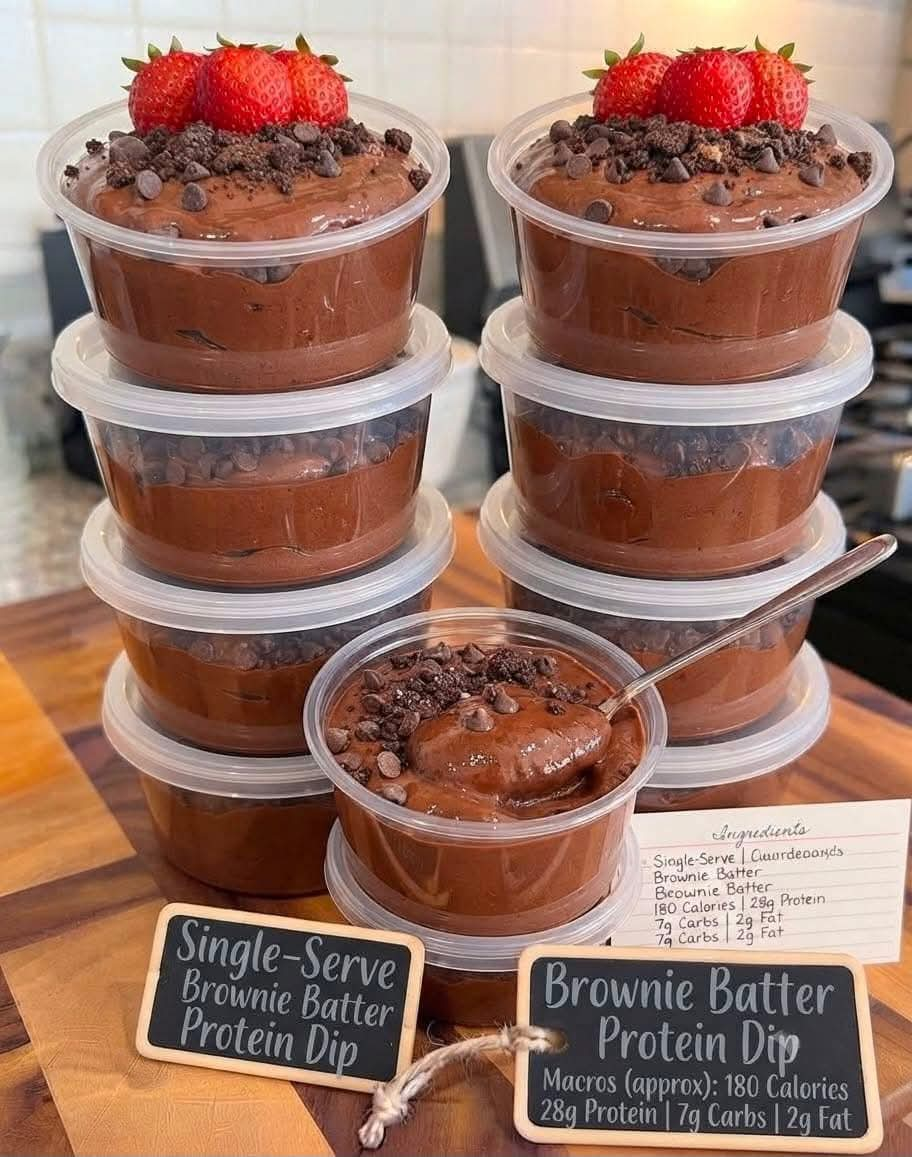
High-Protein Creamy Cheesecake Fluff: A Macro-Friendly Dessert with 29 Grams of Protein
Introduction
Imagine enjoying a rich, creamy, cheesecake-inspired dessert that tastes like a delicious treat while helping you reach your daily protein goals. This high-protein cheesecake fluff is the perfect solution for anyone who loves sweet desserts but wants something lighter, more nutritious, and packed with protein.
With a thick, smooth texture and a naturally sweet flavor, this dessert is ideal for breakfast, an afternoon snack, or a satisfying after-dinner treat. It is easy to prepare, requires no oven, and can be customized with your favorite toppings, including fresh strawberries, blueberries, raspberries, or a little peanut butter.
The original teaser does not specify which dessert provides 29 grams of protein per bite, so this recipe is a protein-rich version designed to deliver approximately 29 grams per serving. The exact amount depends on the brands and quantities you use.
Ingredients


This recipe makes 1 generous serving.
- 1 cup (225 g) fat-free cottage cheese
- 1/2 cup (120 g) plain nonfat Greek yogurt
- 1/2 scoop (about 15 g) vanilla protein powder
- 1 tablespoon light cream cheese, softened
- 1–2 teaspoons powdered zero-calorie sweetener, or to taste
- 1/2 teaspoon vanilla extract
- 1 teaspoon fresh lemon juice, optional
- 1–2 tablespoons unsweetened almond milk, if needed
- A few fresh berries for topping, optional
Protein note: The base recipe typically contains around 30–35 g of protein per serving, depending on the products used. Check your nutrition labels for an accurate total. If you need exactly 29 g, adjust the protein powder or yogurt quantities accordingly.
Instructions
Step 1: Prepare the ingredients
Measure the cottage cheese, Greek yogurt, protein powder, cream cheese, sweetener, and vanilla extract. Allow the cream cheese to soften slightly at room temperature so that it blends smoothly.
Step 2: Blend until creamy
Place the cottage cheese and Greek yogurt in a blender or food processor. Blend until completely smooth, scraping down the sides as needed.
This step is essential because it removes the grainy texture of cottage cheese and creates a consistency similar to cheesecake filling.
Step 3: Add the protein and flavorings
Add the vanilla protein powder, softened cream cheese, sweetener, vanilla extract, and lemon juice if desired.
Blend again until the mixture becomes thick, smooth, and creamy. If it is too thick, add a small amount of unsweetened almond milk.
Step 4: Taste and adjust
Taste the mixture and adjust the sweetness to your preference. Add a little more vanilla for warmth or lemon juice for a brighter cheesecake flavor.
If you want a chocolate version, add a teaspoon of unsweetened cocoa powder. For a peanut butter version, blend in a small amount of powdered peanut butter.
Step 5: Chill the dessert
Transfer the mixture to a serving bowl or glass jar. Refrigerate for 20–30 minutes to allow the flavors to develop and the texture to become firmer.
Step 6: Add your favorite toppings
Finish with fresh berries, a light dusting of cinnamon, or a few sugar-free chocolate chips. Serve cold with a spoon and enjoy.
Methods of Preparation
There are several ways to prepare this delicious high-protein dessert.
1. The blender method
This is the best method for a silky, cheesecake-like texture. Blending the cottage cheese thoroughly creates a smooth base without needing heavy cream or large amounts of sugar.
2. The food processor method
A food processor works especially well if you want a thick, dense consistency. Process the ingredients until no visible curds remain.
3. The hand-mixed method
If you do not have a blender, whisk the Greek yogurt, softened cream cheese, protein powder, and sweetener together. For the smoothest possible result, mash or sieve the cottage cheese separately before combining everything.
4. The frozen dessert method
For a firmer, ice-cream-inspired treat, place the prepared mixture in the freezer for approximately 30–60 minutes, stirring once or twice. Avoid freezing it for too long, as the texture may become icy.
The History Behind Protein Cheesecake Desserts
Traditional cheesecake has a long culinary history, with early cheese-based preparations dating back to ancient Greece. Over the centuries, cheesecake evolved into many regional styles, from baked European varieties to the rich cream-cheese cheesecakes popular in the United States.
Modern high-protein desserts take inspiration from these traditional flavors while using ingredients such as Greek yogurt, cottage cheese, and protein powder.
The result is a convenient alternative for people who enjoy creamy desserts but want to pay closer attention to their protein intake. Blended cottage cheese has become particularly popular because it offers a mild flavor and a naturally thick texture that works well in sweet recipes.
Although this recipe is not a traditional cheesecake, it captures the creamy, tangy character of cheesecake in a simpler, no-bake form.
Formation and Texture: How to Get the Perfect Result
The secret to this recipe is balancing the ingredients correctly.
- Cottage cheese provides the main protein base and creates a thick consistency once blended.
- Greek yogurt adds tanginess and gives the dessert a lighter, creamy texture.
- Protein powder increases the protein content and contributes sweetness and flavor.
- Cream cheese creates a more authentic cheesecake taste.
- Vanilla and lemon juice add depth and help recreate the flavor of classic cheesecake.
For the best results, blend the cottage cheese before adding the remaining ingredients if your blender struggles with thick mixtures. Add liquid gradually rather than all at once, because too much liquid can make the dessert runny.
If the mixture becomes too thin, refrigerate it for longer or blend in a little more Greek yogurt or protein powder, accounting for the resulting nutrition changes.
Variations to Try

Strawberry Cheesecake Fluff
Blend in two or three fresh strawberries, or chop them and fold them into the finished mixture. The fruit adds freshness and natural sweetness.

Chocolate Cheesecake Fluff
Add unsweetened cocoa powder and a little extra sweetener if needed. Use chocolate protein powder for a deeper chocolate flavor.

Peanut Butter Cheesecake Fluff
Mix in powdered peanut butter or a small spoonful of regular peanut butter. The flavor becomes richer, although the calories and fat will increase.

Lemon Cheesecake Fluff
Add fresh lemon zest and a little extra lemon juice for a refreshing, tangy dessert.
Storage Instructions
Store the finished dessert in an airtight container in the refrigerator for up to 3 days. For the best texture, add fresh fruit toppings just before serving.
Because this recipe contains dairy, keep it refrigerated and do not leave it at room temperature for more than 2 hours.
Freezing is possible, but thawing may change the texture, so refrigeration is the preferred storage method.
Approximate Nutrition Information
The following values are estimates for one serving of the base recipe, before optional toppings.
| Nutrient | Approximate amount |
|---|---|
| Calories | 260–330 |
| Protein | 30–35 g |
| Carbohydrates | 12–20 g |
| Fat | 5–10 g |
| Sugar | 7–12 g |
Actual values vary according to the cottage cheese, yogurt, protein powder, and sweetener used. These estimates are for the entire serving, not for every bite.
Tips for Dessert Lovers
- Choose a vanilla protein powder that tastes good on its own.
- Use plain, unsweetened Greek yogurt to control the sweetness.
- Blend thoroughly to eliminate the cottage cheese texture.
- Chill before serving for a thicker, more satisfying consistency.
- Add berries when you want extra flavor and texture.
- Measure the protein powder rather than estimating it if you are tracking macros.
- If you prefer a dessert without white flour, this recipe requires no flour at all.
Conclusion
This high-protein cheesecake fluff proves that a satisfying dessert does not have to involve baking, complicated ingredients, or a long preparation time. With cottage cheese, Greek yogurt, protein powder, and a few simple flavorings, you can create a creamy treat that fits conveniently into a protein-conscious eating plan.
Whether you enjoy it after a workout, as an afternoon snack, or when a sweet craving strikes at night, this recipe is easy to personalize and simple enough to prepare whenever you need it.
The best part is that you can experiment with different flavors while keeping the same creamy cheesecake-inspired base.
For the Love of Easy, High-Protein Desserts
If you love desserts that taste indulgent but are simple to make, this recipe deserves a place in your collection. Serve it with strawberries for a fruity treat, cocoa for a chocolate version, or vanilla and lemon for a classic cheesecake flavor.
Make it your own, adjust the sweetness to your liking, and enjoy every spoonful.
Recipe lovers’ question: Which version would you try first: strawberry cheesecake, chocolate cheesecake, peanut butter cheesecake, or lemon cheesecake? Share your favorite in the comments.