
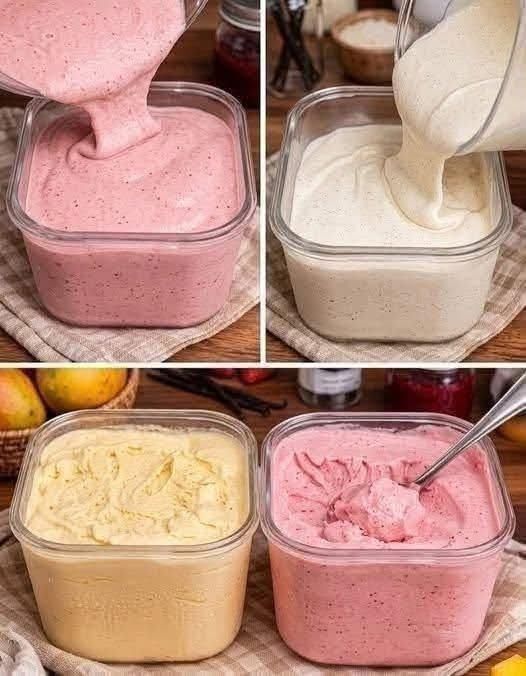
Homemade Zero-Carb Vanilla Ice Cream
A Creamy, Sugar-Free, Low-Carb Frozen Dessert
Introduction
What if you could enjoy a delicious bowl of homemade ice cream without adding sugar or traditional carbohydrates? This homemade low-carb vanilla ice cream is a wonderful option for anyone looking for a creamy, refreshing dessert while reducing their sugar intake.
Made with a few simple ingredients, this recipe is easy to prepare, requires minimal effort, and can be customized with your favorite low-carb flavors. Its smooth texture and rich vanilla taste make it a lovely treat for warm afternoons, family gatherings, or a relaxing evening at home.
Although this recipe can be made without added sugar, it is important to remember that homemade ice cream is not automatically zero-carb. The exact carbohydrate content depends on the ingredients you choose. This version is designed to be very low in carbohydrates, not necessarily completely carbohydrate-free.
Preparation Time
- Preparation time: 10 minutes
- Freezing time: 4–6 hours
- Total time: Approximately 4–6 hours and 10 minutes
- Servings: 4
- Difficulty: Easy
Ingredients
To make this creamy homemade low-carb vanilla ice cream, you will need:
- 2 cups heavy whipping cream, preferably without added sugar
- 1/2 cup unsweetened almond milk
- 1/3 cup powdered erythritol or another suitable low-carb sweetener, adjusted to taste
- 1 teaspoon pure vanilla extract
- 1 small pinch of salt
- 1/4 teaspoon xanthan gum, optional, for a smoother texture
Optional additions:
- A few drops of sugar-free vanilla flavoring
- A small amount of unsweetened cocoa powder for chocolate flavor
- A little cinnamon for a warm, aromatic taste
Check the labels on all ingredients, particularly sweeteners and flavorings, because carbohydrate content varies by brand.
Instructions
Step 1: Prepare the ingredients
Place the heavy whipping cream, unsweetened almond milk, powdered sweetener, vanilla extract, and salt on your work surface. Make sure the cream is cold before beginning.
Using powdered sweetener helps prevent a grainy texture in the finished ice cream.
Step 2: Mix the base
Pour the almond milk into a mixing bowl and add the sweetener, vanilla extract, and salt. Whisk until the sweetener has dissolved as much as possible.
If you are using xanthan gum, sprinkle it in gradually while whisking continuously to prevent lumps.
Step 3: Whip the cream
In a separate chilled bowl, whip the heavy cream until soft peaks form. The cream should become fluffy and hold its shape while remaining smooth.
Avoid overwhipping, as the cream may become grainy or begin turning into butter.
Step 4: Combine everything
Gently fold the almond milk mixture into the whipped cream using a spatula. Mix slowly to preserve as much air as possible.
Continue folding until the mixture is evenly combined and has a light, creamy consistency.
Step 5: Transfer to a container
Pour the mixture into a freezer-safe container. Smooth the surface with a spatula and cover tightly with a lid.
Step 6: Freeze the ice cream
Place the container in the freezer for approximately 4–6 hours, or until the ice cream is firm enough to scoop.
For the best texture, stir the mixture gently after the first hour or two if you notice ice crystals forming around the edges.
Step 7: Soften before serving
Remove the ice cream from the freezer and allow it to stand at room temperature for approximately 5–10 minutes before serving.
Scoop into bowls and enjoy your homemade vanilla ice cream.
Detailed Method for the Best Results
The secret to delicious homemade ice cream is balancing richness, sweetness, and texture.
Heavy cream supplies most of the fat that gives this dessert its luxurious mouthfeel. Unsweetened almond milk adds moisture without the same carbohydrate content as regular milk. A suitable powdered sweetener provides sweetness without conventional sugar.
Whipping the cream before folding in the remaining ingredients incorporates air into the mixture. This helps create a lighter consistency without needing an ice cream machine.
If you prefer a firmer dessert, leave it in the freezer for longer. If it becomes very hard, allow it to soften briefly before scooping.
For an even smoother result, you can prepare the mixture in an ice cream maker according to the manufacturer’s instructions.
The History of Homemade Ice Cream
Ice cream has a long history, with frozen desserts enjoyed in various forms centuries before modern refrigerators existed. Over time, improvements in freezing methods and household appliances made ice cream easier for families to prepare at home.
Traditional recipes commonly use cream, milk, sugar, and flavorings. As interest in low-carbohydrate and sugar-conscious eating has grown, home cooks have developed alternatives using unsweetened plant-based milk and sugar substitutes.
This recipe is a modern adaptation of classic vanilla ice cream, designed for people who want to enjoy a frozen dessert while limiting added sugar and carbohydrates.
Formation and Texture
The formation of ice cream depends on how the ingredients freeze together.
The fat in the heavy cream contributes richness and helps create a smooth mouthfeel. Whipping introduces tiny air bubbles, while careful mixing helps distribute the ingredients evenly.
During freezing, water forms ice crystals. Stirring during the early freezing stage can help break up larger crystals and improve the final texture.
Because this recipe does not contain traditional sugar, it may freeze harder than conventional ice cream. Sugar affects both sweetness and freezing behavior, so a sugar-free version will not always have exactly the same consistency as a regular commercial product.
Tips for Perfect Low-Carb Ice Cream
Use cold ingredients. Cold cream whips more easily and helps the mixture chill efficiently.
Choose the right sweetener. Powdered erythritol or a suitable powdered monk-fruit blend can work well. Some sweeteners may produce a cooling sensation or a slightly different texture.
Avoid overwhipping. Stop when soft peaks form to keep the cream smooth.
Store it properly. Keep the container tightly covered to reduce freezer odors and ice crystals.
Experiment with flavors. Vanilla, cinnamon, or unsweetened cocoa powder can provide variety without requiring traditional sugar.
Check your portions. Even low-carb desserts contain calories, and the carbohydrate content depends on the specific ingredients and serving size.
Is This Ice Cream Really Zero-Carb?
Although this dessert contains no added sugar when prepared with appropriate ingredients, it should not automatically be described as zero-carb.
Heavy cream contains small amounts of carbohydrates, and almond milk, vanilla extract, and sweeteners may contribute additional amounts. Check the nutrition labels and calculate the total for your specific ingredients if you need to follow a strict carbohydrate limit.
This ice cream also does not directly cause fat loss or guarantee that you will lose water weight. Weight management depends on several factors, including overall food intake, activity, hydration, and individual health needs.
Enjoy it as a satisfying dessert that may fit into a low-carbohydrate eating plan rather than as a food that you can eat without limits.
Serving Suggestions
Serve this ice cream in a small chilled bowl for a simple dessert.
For additional variety, try these ideas:
- Vanilla cream: Enjoy it exactly as prepared for a classic flavor.
- Chocolate version: Add a little unsweetened cocoa powder and adjust the sweetener to taste.
- Cinnamon version: Add a pinch of cinnamon for a warm, aromatic variation.
- Coffee version: Mix in a small amount of cooled, strong coffee.
- Berry-inspired version: Add a few finely chopped raspberries or strawberries, keeping in mind that fruit contributes carbohydrates.
You can also serve a scoop alongside a low-carb cake or enjoy it on its own after a meal.
Storage Instructions
Store the ice cream in an airtight, freezer-safe container.
For the best quality, enjoy it within approximately one to two weeks. Homemade ice cream may become harder and develop ice crystals during prolonged storage.
Do not leave it at room temperature for extended periods. Return any remaining portion to the freezer promptly after serving.
Frequently Asked Questions
1. Can I make this ice cream without an ice cream machine?
Yes. This recipe is designed for a simple freezer method and does not require special equipment.
2. Can I use regular milk instead of almond milk?
Yes, but regular milk generally contains more carbohydrates than unsweetened almond milk. The nutritional values will change.
3. Can I make it without sweetener?
Yes. However, the ice cream will taste less sweet and may freeze harder. The sweetener also influences texture, depending on the type used.
4. Is this recipe suitable for a ketogenic diet?
It may fit into some ketogenic eating plans, depending on the ingredient labels, portion size, and your individual carbohydrate target. Calculate the net carbohydrates rather than assuming the recipe is carb-free.
5. Can I eat it every day?
You can include it as an occasional or regular dessert if it fits your overall nutritional needs. However, it is calorie-dense because of the heavy cream, so unlimited portions are not advisable.
Conclusion
Homemade low-carb vanilla ice cream is a simple way to enjoy a creamy frozen dessert while reducing added sugar. With heavy cream, unsweetened almond milk, vanilla, and a suitable sweetener, you can create a delicious treat without complicated equipment or a long ingredient list.
The best part is that you can customize the flavor, adjust the sweetness, and keep a batch in your freezer whenever you want something refreshing.
Remember that low-carb does not always mean zero-carb, and no single dessert guarantees weight loss. Choose ingredients that suit your needs, pay attention to portions, and enjoy every spoonful as part of a balanced eating pattern.
For Ice Cream Lovers
If you love creamy desserts but want to reduce your sugar intake, this homemade vanilla ice cream is worth trying. Its rich flavor, smooth texture, and simple preparation make it an excellent starting point for experimenting with other low-carb frozen treats.
Prepare a batch, let it freeze until scoopable, and serve it to family or friends who appreciate a homemade dessert. Sometimes, the simplest recipes become the ones you return to again and again.