
Perfect Prime Rib Roast
Introduction
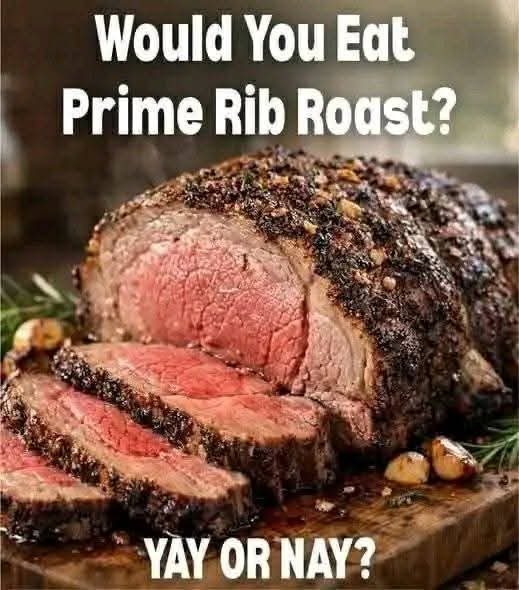
Prime rib is one of the most luxurious and impressive beef roasts you can prepare. Known for its rich marbling, juicy texture, and bold beef flavor, it has long been the centerpiece of holiday dinners, family celebrations, and special occasions. When cooked properly, prime rib develops a beautifully seasoned crust while remaining incredibly tender and succulent inside. Whether you enjoy it rare, medium-rare, or well-done, this recipe provides all the techniques you need to create a memorable roast that will impress everyone at the table.
The History of Prime Rib
Prime rib, often called a standing rib roast, comes from the primal rib section of the cow. The term “prime” originally referred to the highest USDA grade of beef, although today many people use the name for any rib roast regardless of grade. The dish became especially popular in England and North America during the 18th and 19th centuries, where roasted beef symbolized celebration and hospitality. Today, prime rib remains a classic feature of Christmas dinners, Sunday roasts, weddings, and fine dining restaurants around the world.
Ingredients
- 1 prime rib roast (5–8 pounds / 2.3–3.6 kg)
- 3 tablespoons kosher salt
- 2 tablespoons freshly ground black pepper
- 2 tablespoons garlic powder
- 1 tablespoon onion powder
- 2 teaspoons smoked paprika
- 2 teaspoons fresh rosemary, chopped
- 2 teaspoons fresh thyme leaves
- 4 cloves garlic, minced
- 3 tablespoons olive oil
- 4 tablespoons unsalted butter, softened
Optional Au Jus
- Beef drippings from the roast
- 2 cups beef stock
- 1 tablespoon Worcestershire sauce
- 1 tablespoon butter
- Salt and pepper to taste
Optional Horseradish Cream
- 1 cup sour cream
- 2 tablespoons prepared horseradish
- 1 teaspoon Dijon mustard
- 1 teaspoon lemon juice
- Salt and black pepper
Preparation Method
- Remove the roast from the refrigerator 2–3 hours before cooking so it reaches room temperature.
- Pat the roast completely dry with paper towels.
- Mix the butter, olive oil, garlic, rosemary, thyme, paprika, onion powder, garlic powder, salt, and pepper into a flavorful herb paste.
- Coat the entire roast generously with the seasoning mixture.
- Place the roast bone-side down on a roasting rack inside a large roasting pan.
Cooking Instructions
- Preheat the oven to 500°F (260°C).
- Roast for 20 minutes to develop a deep, flavorful crust.
- Reduce the oven temperature to 325°F (163°C) without opening the oven for long.
- Continue roasting until the desired internal temperature is reached:
- Rare: 120–125°F (49–52°C)
- Medium Rare: 130–135°F (54–57°C)
- Medium: 140–145°F (60–63°C)
- Medium Well: 150–155°F (66–68°C)
- Well Done: 160°F+ (71°C+)
- Remove the roast from the oven and tent loosely with foil.
- Rest for 20–30 minutes before slicing to allow the juices to redistribute.
Making the Au Jus
- Pour the roasting pan drippings into a saucepan.
- Add beef stock and Worcestershire sauce.
- Simmer for 10 minutes.
- Whisk in butter and season to taste.
- Serve warm alongside the sliced prime rib.
Serving Suggestions
Prime rib pairs beautifully with:
- Garlic mashed potatoes
- Roasted vegetables
- Yorkshire pudding
- Creamed spinach
- Buttered asparagus
- Fresh dinner rolls
- Caesar salad
- Creamy horseradish sauce
- Red wine or sparkling grape juice
Chef’s Tips
- Use a meat thermometer for perfect results.
- Never skip the resting period.
- Slice against the grain for maximum tenderness.
- Choose USDA Prime or Choice beef for the best marbling.
- Save leftover slices for gourmet sandwiches, tacos, or steak salads.
Nutritional Information (Approximate Per Serving)
- Calories: 650
- Protein: 48 g
- Fat: 48 g
- Carbohydrates: 2 g
- Fiber: 0 g
- Sugar: 0 g
- Sodium: 620 mg
Why Prime Rib Lovers Adore This Recipe
Prime rib enthusiasts appreciate its rich marbling, buttery tenderness, and incredible flavor. The crispy herb crust contrasts beautifully with the juicy interior, creating a steakhouse-quality meal at home. It’s a show-stopping roast that’s perfect for sharing with family and friends.
Different Cooking Methods
- Traditional Oven Roast: Produces a crisp crust and juicy center.
- Reverse Sear: Slow roast first, then finish with high heat for an even pink interior.
- Smoked Prime Rib: Adds deep, smoky flavor using hardwood.
- Rotisserie: Self-bastes while cooking for exceptional tenderness.
- Sous Vide: Delivers precise doneness before a final high-heat sear.
Conclusion
A perfectly cooked prime rib is more than just a meal—it’s a celebration of great ingredients, careful preparation, and timeless cooking traditions. Whether you’re firmly on Team Rare or prefer your beef cooked through, this recipe delivers a flavorful roast with a beautiful crust, juicy slices, and unforgettable taste. Gather your loved ones, carve generous portions, and enjoy one of the finest beef dishes ever created.