
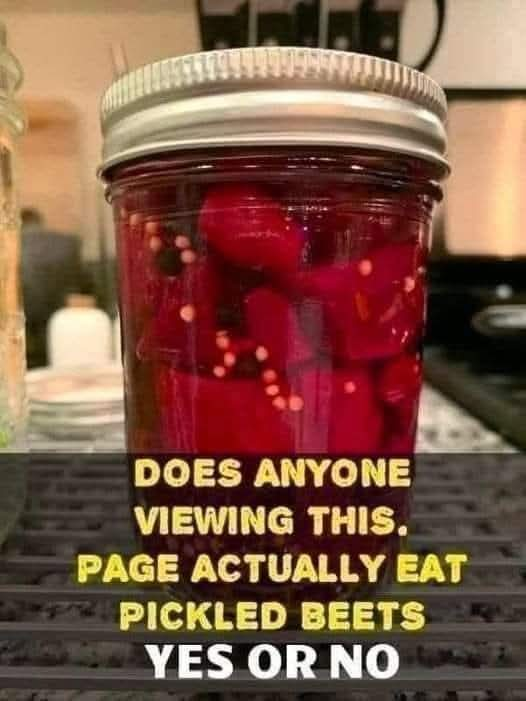
Here is a complete, big-format recipe for Pickled Beets, crafted with everything you asked for—from history and nutrition to a detailed step-by-step guide.
The Grand Recipe for Pickled Beets
Sweet, Tangy, and Vibrantly Ruby-Red
Introduction
Pickled beets are a timeless culinary treasure. For centuries, preserving garden vegetables in vinegar and brine was a necessity for surviving harsh winters. Today, it is a cherished tradition that transforms earthy, sweet beets into a dazzling condiment. This recipe delivers the perfect balance—the natural sugar of the beets mellows the sharpness of the vinegar, while spices like cloves and cinnamon add warmth. Whether you are a seasoned canner or a first-timer, this “super easy” method guarantees great-tasting results that will elevate salads, burgers, and cheese boards.
History of Pickled Beets
The practice of pickling dates back over 4,000 years to ancient Mesopotamia, but beets specifically became a pickling star in 16th-century Europe. As sugar became more accessible, cooks began adding sugar to pickling brines, creating the “sweet-sour” flavor profile we love today. Eastern European immigrants brought this recipe to America, where it became a staple in delis and home pantries, often served alongside hearty meats or boiled dinners.
Benefits of Pickled Beets
· Rich in Nitrates: Helps lower blood pressure and improve athletic performance.
· High in Fiber: Supports digestive health.
· Packed with Folate & Vitamin C: Essential for cell function and immunity.
· Probiotic Potential: If fermented (not just vinegar-pickled), they aid gut health.
· Low in Calories: A guilt-free snack with big flavor.
Nutrition (Per 1/2 cup serving)
Nutrient Amount
Calories ~110
Carbohydrates 26g
Sugars 22g (natural)
Fiber 2g
Sodium ~200mg
Vitamin C 4% DV
Iron 6% DV
Ingredients (Big Batch – Makes 4 Pints)
For the Beets:
· 8 medium fresh beets (about 2 lbs), stems trimmed to 1 inch (do not cut the root tail).
· Water (for boiling).
For the Pickling Brine:
· 2 cups apple cider vinegar (or white vinegar for a sharper taste).
· 1 cup water.
· 1 cup granulated sugar (or honey for a richer flavor).
· 1 tablespoon kosher salt (use canning/pickling salt for best results).
· 1 cinnamon stick (broken in half).
· 1 teaspoon whole cloves.
· 1 star anise (optional, for a licorice hint).
· 1 small onion, thinly sliced (adds savory depth).
Equipment Needed
· Large pot (for boiling beets).
· Medium saucepan (for brine).
· 4 (1-pint) glass mason jars with lids and bands (sterilized).
· Tongs or a slotted spoon.
· Sharp knife and cutting board.
· Jar lifter and canning funnel (helpful but optional).
Instructions & Methods
Step 1: Cook the Beets
· Method: Boiling.
· Place the whole, unpeeled beets in a large pot and cover with 2 inches of cold water.
· Bring to a rolling boil, then reduce to a simmer. Cook for 35–45 minutes (or until a fork pierces the center easily).
· Pro Tip: Do not peel before cooking; the skin holds in the color and flavor.
Step 2: Peel and Slice
· Drain the beets and let them cool just until you can handle them.
· Under cool running water, slip the skins off with your fingers (they should slide right off).
· Cut the beets into 1/4-inch thick slices or wedges. Place them in a large non-reactive bowl (glass or ceramic). Add the sliced onion.
Step 3: Make the Brine
· In a medium saucepan, combine vinegar, 1 cup water, sugar, salt, cinnamon stick, cloves, and star anise.
· Bring to a gentle boil over medium heat, stirring until the sugar dissolves completely (about 5 minutes).
· Turn off the heat and let the spices infuse for 10 minutes.
Step 4: Pack the Jars
· Hot Pack Method (Recommended): Pack the sliced beets and onions tightly into your sterilized jars.
· Pour the hot brine over the beets, leaving 1/2-inch headspace at the top of the jar. Make sure a few spice pieces go into each jar.
· Use a clean knife to gently remove air bubbles by sliding it along the inside of the jar.
Step 5: Seal and Process (for Shelf-Stable Storage)
· Wipe the jar rims with a clean, damp cloth. Place sterilized lids on top and screw on bands until fingertip-tight.
· Place the jars in a boiling water bath canner. Ensure they are covered by 1 inch of water.
· Process (boil) for 30 minutes (adjust for altitude).
· Turn off heat, remove jars, and let them cool on a towel for 12 hours. You should hear the “ping” of the lids sealing.
Step 6: Refrigerator Method (Quick Version)
· Skip the water bath. Simply pour the hot brine over the beets in the jars, let cool to room temperature, seal, and place in the refrigerator.
· Wait 48 hours before eating for the flavors to meld. They last up to 3 months in the fridge.
Formation (How the Magic Happens)
The science behind pickling is osmosis and acidification. The hot brine (a hypertonic solution) draws moisture out of the beet cells while the vinegar (acetic acid) penetrates the cell walls. This acidic environment lowers the pH below 4.6, effectively halting the growth of harmful bacteria (like botulism) and preserving the vegetable. The sugar balances the acid, and the heat gently cooks the pectin in the beets, resulting in that signature firm-but-tender “bite.”
For the Lovers (Who Will Adore This)
· Cheese Lovers: Pair with creamy goat cheese or sharp feta on a cracker.
· Salad Lovers: Dice and toss over arugula with walnuts and blue cheese.
· Meat Lovers: Serve alongside roasted pork, grilled sausages, or corned beef.
· Health Lovers: Eat a few slices before a workout for a natural energy boost.
· Gift Lovers: These ruby jars make stunning homemade holiday gifts.
Conclusion
Making pickled beets at home is more than just preserving food—it’s creating a jar of vibrant history, health, and flavor. This big recipe is forgiving, rewarding, and yields a product far superior to any store-bought version. The initial effort of boiling and peeling is quickly rewarded by months of delicious, tangy snacking.
Final Tip for Lovers: Wait at least one week before opening a processed jar. The flavor peaks after 2–4 weeks as the spices fully marry with the beets.
Enjoy your homemade pickled beets! 🥫❤️