
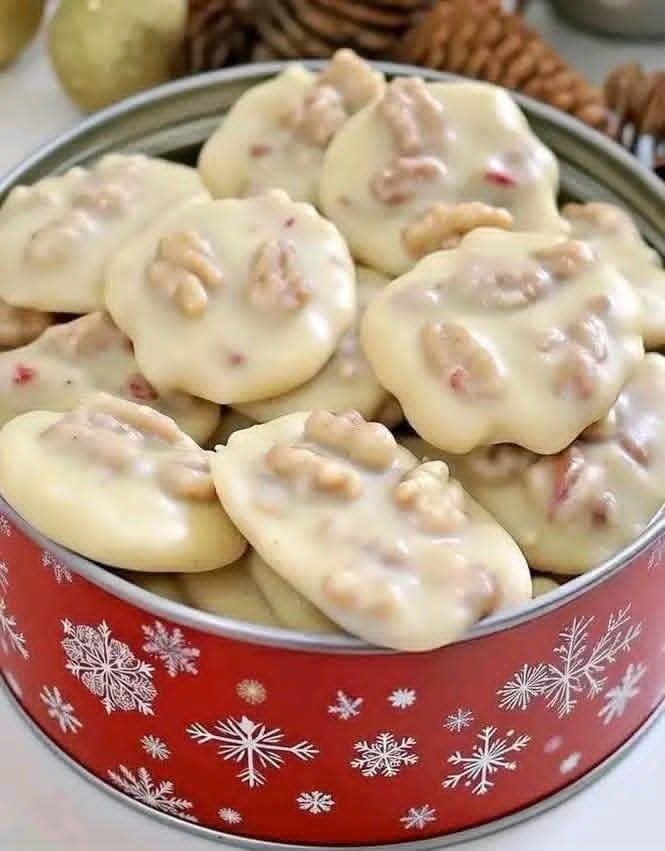
Classic Christmas Butter Cookies
Introduction
These Classic Christmas Butter Cookies are the kind of cookies that disappear almost as quickly as they come out of the oven. The recipe is simple, reliable, and packed with rich buttery flavor, making it perfect for holiday baking, cookie exchanges, family gatherings, bake sales, and Christmas gift boxes.
When you are making hundreds of cookies for Christmas, you need a recipe that is easy to prepare, consistent from batch to batch, and delicious enough that everyone will come back for another one. These cookies check all three boxes. They have lightly crisp edges, tender centers, a delicate sweetness, and a wonderful vanilla-butter aroma.
The dough can be prepared ahead of time, refrigerated, portioned, and baked in batches. For a large Christmas baking project, this makes the recipe especially convenient.
Ingredients
For the Cookies
- 1 cup unsalted butter, softened
- 1 cup granulated sugar
- 1/2 cup powdered sugar
- 2 large eggs
- 2 teaspoons pure vanilla extract
- 1/2 teaspoon almond extract, optional
- 3 cups all-purpose flour
- 1 teaspoon baking powder
- 1/2 teaspoon salt
Optional Decorations
- Colored sugar
- Granulated sugar
- Sprinkles
- Melted white chocolate
- Melted milk chocolate
- Powdered sugar for dusting
- Chopped nuts
Preparation
Preheat the oven to 350°F (175°C). Line several baking sheets with parchment paper or silicone baking mats.
Allow the butter to soften at room temperature. It should be soft enough to cream easily but should not be melted.
In a medium bowl, whisk together the flour, baking powder, and salt. Set this mixture aside.
In a large mixing bowl, beat the softened butter, granulated sugar, and powdered sugar until light and fluffy. This usually takes about 2 to 3 minutes with an electric mixer.
Add the eggs one at a time, mixing well after each addition. Add the vanilla extract and almond extract, if using.
Gradually add the dry ingredients to the butter mixture. Mix on low speed just until the flour disappears. Do not overmix the dough, because excessive mixing can make the finished cookies tougher.
Forming the Cookies
There are several ways to form these cookies depending on the appearance you want.
For simple round cookies, scoop portions of dough using a small cookie scoop and place them approximately 2 inches apart on the prepared baking sheets.
For slightly flatter cookies, gently press each dough ball with the bottom of a glass dipped lightly in sugar.
For cut-out Christmas cookies, chill the dough for approximately 30 to 60 minutes, then roll it out on a lightly floured surface to about 1/4 inch thick. Cut into Christmas shapes using cookie cutters.
For a more decorative finish, sprinkle the tops with colored sugar or Christmas sprinkles before baking.
Baking Method
Place the prepared baking sheet in the preheated oven.
Bake for approximately 9 to 12 minutes, depending on the size and thickness of the cookies.
The cookies should look set around the edges while remaining relatively light in color. Do not wait for the entire cookie to become deeply golden, because they will continue cooking slightly on the hot baking sheet after they leave the oven.
Remove the baking sheet from the oven and allow the cookies to rest for about 5 minutes.
Transfer the cookies to a wire rack and allow them to cool completely.
Important Baking Method
The key to excellent butter cookies is avoiding overbaking.
For a softer cookie, remove them from the oven when the centers still look slightly soft.
For a crisper cookie, allow them to bake for another minute or two, watching carefully so that the edges do not become too dark.
For consistent Christmas production, try to use the same size cookie scoop for every batch. This ensures that the cookies bake at the same rate and have a uniform appearance.
Making Large Batches
One of the reasons this recipe is excellent for Christmas baking is that it can be multiplied.
If you need approximately 400 cookies, prepare the dough in several manageable batches rather than trying to make one enormous quantity at once. Smaller batches are easier to mix evenly and place less strain on your mixer.
Keep unused dough refrigerated while another batch is being baked.
A good production system is to prepare the dough, portion the cookies, bake one tray while preparing the next, and cool the finished cookies completely before packaging.
If you are preparing cookies several days ahead, store them in airtight containers once completely cool.
Storage
Store completely cooled cookies in an airtight container at room temperature for approximately 5 to 7 days.
For longer storage, the baked cookies can be frozen in airtight freezer-safe containers or bags. Place parchment paper between layers if the cookies are decorated.
The unbaked dough can also be refrigerated for short-term preparation. When ready to bake, allow the dough to soften slightly if it has become very firm.
Christmas Presentation
These cookies are particularly attractive when arranged in assorted Christmas colors.
You can leave them plain for a traditional homemade appearance, sprinkle them with colored sugar before baking, or decorate the cooled cookies with melted chocolate and festive sprinkles.
For Christmas gift boxes, combine these cookies with other varieties such as chocolate chip cookies, gingerbread cookies, shortbread, or peanut butter cookies.
Arrange different shapes and sizes together for a beautiful homemade assortment.
History and Tradition
Butter cookies belong to a long tradition of European and American home baking. Simple combinations of butter, sugar, flour, and eggs have been used for generations because they produce flavorful cookies from ingredients that are commonly found in the kitchen.
As Christmas baking became an important family tradition, butter-based cookies became especially popular. Their simple dough could be shaped into stars, trees, bells, hearts, snowflakes, and other seasonal designs.
The tradition has continued because these cookies are both practical and versatile. One basic dough can produce dozens of different styles simply by changing the shape, decoration, or finishing method.
The Formation of the Cookie
The texture of these cookies depends heavily on how the ingredients are combined.
Creaming the butter and sugars incorporates air into the mixture, helping create a lighter texture.
The eggs provide structure and richness, while the flour gives the cookie its framework. Baking powder provides a small amount of lift, preventing the cookies from becoming excessively dense.
The butter is responsible for much of the characteristic flavor. This is why using good-quality butter and pure vanilla can make a noticeable difference in the final result.
Tips for Perfect Cookies
Use softened butter rather than melted butter.
Measure flour carefully. Too much flour can produce dry, dense cookies.
Do not overmix after adding the flour.
Keep cookie sizes consistent so they bake evenly.
Do not overcrowd the baking sheet.
Bake one test cookie before committing an entire tray to the oven. This allows you to adjust the baking time if necessary.
Allow cookies to cool before decorating or storing them.
Always let cookies cool completely before placing them in an airtight container to prevent condensation from making them soft.
For Cookie Lovers
These cookies are especially appealing to anyone who loves traditional homemade Christmas baking. They are not complicated, require no unusual ingredients, and can easily be adapted to suit different occasions.
For vanilla lovers, increase the vanilla slightly.
For chocolate lovers, drizzle the finished cookies with melted chocolate.
For nut lovers, add finely chopped toasted nuts to the dough.
For citrus lovers, add a little finely grated orange or lemon zest.
For a festive Christmas version, add colored sugar or sprinkles before baking.
Serving Suggestions
Serve these cookies with coffee, tea, hot chocolate, or a glass of cold milk.
They are wonderful on a Christmas dessert table and make excellent additions to holiday cookie trays.
They can also be packed into decorative tins or gift boxes and given to friends, neighbors, teachers, coworkers, and family members.
Conclusion
Classic Christmas Butter Cookies prove that a simple recipe can produce something truly special. With a buttery texture, delicate sweetness, and rich vanilla flavor, they are easy enough for everyday baking but festive enough for the biggest holiday celebrations.
Their simplicity is also what makes them so useful when preparing large quantities. Whether you are making one dozen for your family or hundreds for Christmas gifts and gatherings, the recipe remains dependable and delicious.
Make a batch, fill the kitchen with the aroma of freshly baked butter cookies, and enjoy one of the simplest pleasures of Christmas baking.