
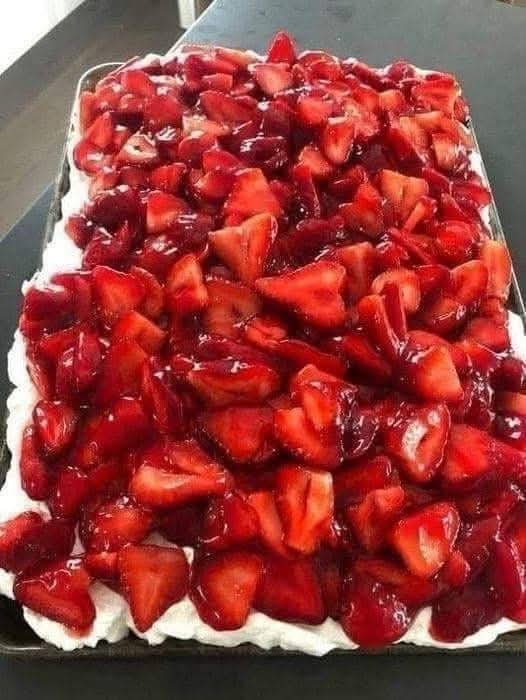
Moist Crowd-Pleasing Birthday Party Cake
Introduction
Some recipes become more than just something you bake. They become part of your family traditions, the desserts everyone remembers, and the treats children request year after year. This moist and delicious birthday party cake is exactly that kind of recipe.
I have made this cake for years, and my children always chose it for their birthday parties over any other dessert. It is simple enough for an everyday baker, but special enough for birthdays, family celebrations, potlucks, school gatherings, and holidays.
The cake is soft, tender, and wonderfully moist, with a rich homemade flavor and a generous amount of frosting. Best of all, it makes a large batch, so there is plenty to serve a crowd. You do not need complicated decorating skills or unusual ingredients. Just mix, bake, frost, and enjoy.
Ingredients
For the Cake
- 3 cups all-purpose flour
- 2 cups granulated sugar
- 1 teaspoon baking soda
- 1 teaspoon baking powder
- 1/2 teaspoon salt
- 1 cup unsalted butter, softened
- 1 cup buttermilk
- 4 large eggs
- 2 teaspoons vanilla extract
- 1 cup sour cream
- 1 cup whole milk
For the Creamy Frosting
- 1 cup unsalted butter, softened
- 4 cups powdered sugar
- 2 teaspoons vanilla extract
- 4 to 6 tablespoons milk or heavy cream
- Pinch of salt
Optional Decorations
- Rainbow sprinkles
- Chopped nuts
- Shredded coconut
- Chocolate shavings
- Fresh berries
- Colored decorating sugar
Instructions
Step 1: Prepare the Oven
Preheat your oven to 350°F (175°C).
Grease and lightly flour a large 9-by-13-inch baking pan. For an especially easy cleanup, line the bottom with parchment paper before greasing it.
Because this recipe makes a generous cake, make sure your pan is deep enough to hold the batter without overflowing.
Step 2: Combine the Dry Ingredients
In a large bowl, whisk together the flour, sugar, baking soda, baking powder, and salt.
Mixing the dry ingredients first helps distribute the leavening agents evenly throughout the flour and gives the cake a consistent texture.
Step 3: Prepare the Wet Ingredients
In another large bowl, beat the softened butter until creamy.
Add the eggs one at a time, mixing well after each addition. Add the vanilla, sour cream, and buttermilk.
Mix until the ingredients are smooth and well combined.
The sour cream and buttermilk are especially important because they help create the soft, moist texture that makes this cake so enjoyable.
Step 4: Make the Batter
Gradually add the dry ingredients to the wet ingredients, alternating with the milk.
Begin and finish with the dry ingredients.
Mix just until everything is incorporated. Do not overmix the batter, because excessive mixing can make the finished cake heavier instead of light and tender.
The finished batter should be smooth and fairly thick.
Step 5: Bake
Pour the batter into the prepared baking pan and spread it evenly.
Place the pan in the preheated oven and bake for approximately 35 to 45 minutes.
Begin checking around 35 minutes. Insert a toothpick into the center of the cake. If it comes out clean or with only a few moist crumbs, the cake is ready.
Avoid overbaking. A slightly underbaked-looking center that finishes setting as the cake cools is preferable to a dry cake.
Step 6: Cool Completely
Remove the cake from the oven and place it on a cooling rack.
Allow it to cool completely before frosting.
If you frost the cake while it is still warm, the frosting may melt and slide off the surface.
Method for the Frosting
Place the softened butter in a large bowl and beat until light and creamy.
Gradually add the powdered sugar, about one cup at a time, mixing after each addition.
Add the vanilla and a pinch of salt.
Slowly add the milk or heavy cream, one tablespoon at a time, until the frosting reaches your preferred consistency.
Beat the frosting for several minutes until it becomes fluffy and smooth.
If it is too thick, add a little more milk. If it becomes too thin, add additional powdered sugar.
Decorating the Cake
Once the cake has cooled completely, spread the frosting generously over the top.
For a birthday celebration, you can decorate it with colorful sprinkles, writing, small candies, or simple piped borders.
For a more traditional homemade appearance, simply spread the frosting with the back of a spoon and leave gentle swirls across the top.
This cake does not need to look professionally decorated to be beautiful. Its homemade appearance is part of its charm.
Formation of the Cake
The secret to the cake’s moist texture comes from combining several simple ingredients that work together.
Butter contributes richness and flavor, while sour cream and buttermilk provide moisture and tenderness. Eggs give the cake structure and help create a soft crumb. Baking soda and baking powder provide the lift needed for a light texture.
The most important technique is avoiding overmixing once the flour has been added. Mix only until the ingredients come together.
The cake should have a tender crumb that is moist without being heavy or soggy.
Tips for the Best Results
Use room-temperature butter and eggs whenever possible. They combine more easily and help produce a smoother batter.
Do not pack the flour tightly into the measuring cup. Spoon it into the cup and level it with a knife, or use a kitchen scale for the most accurate results.
Do not overmix the batter after adding the flour.
Keep an eye on the cake during the final minutes of baking. Oven temperatures vary, so baking time can differ slightly.
Allow the cake to cool completely before frosting.
For an extra-special birthday cake, prepare the cake the day before. Once cooled and covered, the flavors have time to develop and the cake remains beautifully moist.
Make-Ahead Method
This cake is particularly convenient for parties because it can be prepared ahead of time.
Bake the cake, allow it to cool completely, and cover it tightly. You can prepare the frosting separately and refrigerate it.
When ready to serve, bring the frosting to room temperature, beat it briefly until creamy again, and frost the cake.
Decorate just before serving.
Storage
Store the frosted cake in a covered container at room temperature for up to two days if the frosting and toppings permit room-temperature storage.
For longer storage, refrigerate the cake in an airtight container.
Allow refrigerated cake to sit at room temperature for a short time before serving so the texture becomes soft and the frosting returns to its creamy consistency.
Individual slices can also be wrapped well and frozen for later. Thaw them in the refrigerator and then allow them to come closer to room temperature before serving.
A Brief History of Homemade Birthday Cakes
Birthday cakes have become an important part of celebrations in many cultures, but the tradition of making a special sweet cake for birthdays developed gradually over time.
As home baking became more accessible, families began creating their own favorite cakes for birthdays and other milestones. Recipes were passed from mothers and grandmothers to daughters, sons, relatives, and friends.
Large sheet cakes became particularly popular for family gatherings because they were easy to bake, cut, transport, and serve. Unlike an elaborate layered cake, a sheet cake could feed a large number of people without requiring complicated preparation.
Recipes like this became treasured because they were practical as well as delicious. A parent could prepare one large cake for an entire birthday party, add a simple frosting and decorations, and have a dessert that everyone could enjoy.
Why Families Love This Recipe
There is something special about a recipe that children request year after year.
It may not be the fanciest dessert on the table, but it carries memories. The smell of the cake baking, the excitement of decorating it, the candles being placed on top, and everyone gathering around for the first slice all become part of the family story.
The fact that this cake makes enough for a crowd makes it perfect for birthday parties. You can serve generous pieces without worrying that the dessert will disappear after only a few servings.
It is also easy enough that you can make it without spending an entire day in the kitchen.
Serving Suggestions
Serve the cake with:
- A glass of cold milk
- Coffee or tea
- Fresh berries
- Vanilla ice cream
- Whipped cream
- Fresh fruit
- A drizzle of caramel sauce
For children’s birthday parties, colorful sprinkles and simple decorations are more than enough to make the cake festive.
For an adult gathering, you can keep the decoration simple and elegant with powdered sugar, berries, or chocolate curls.
Conclusion
This moist birthday party cake is the kind of recipe worth keeping in your collection.
It is easy, generous, dependable, and delicious. More importantly, it has everything a memorable family recipe should have: a simple preparation, familiar ingredients, a soft and moist texture, and the ability to bring everyone together around the table.
When your children choose the same cake year after year, you know you have found something special.
Make it for a birthday, family reunion, potluck, holiday gathering, or simply because you want a homemade dessert. Once you make it, it may become one of those recipes your own family asks for again and again.
For the Lovers of Homemade Cake
If you love old-fashioned homemade desserts, soft cakes, creamy frosting, and recipes that can feed a crowd, this cake deserves a place in your recipe collection.
It is not complicated, it does not require professional decorating skills, and it uses ingredients that are easy to find.
Most importantly, it tastes like the kind of dessert made for people you love.