
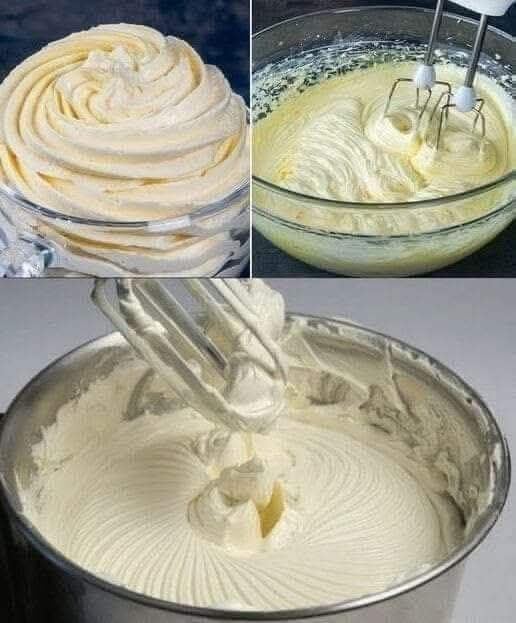
Classic Pastry Cream Secret Recipe
Introduction
A good pastry cream is one of those classic recipes that every home baker should have in their kitchen. Smooth, rich, creamy, and delicately sweet, it can transform simple desserts into something truly special.
This traditional pastry cream is made with a few basic ingredients: milk, egg yolks, cornstarch, sugar, and vanilla. The secret is not complicated. It is all about gently heating the mixture while stirring continuously so the cream thickens beautifully without becoming lumpy.
Once prepared, this pastry cream can be used to fill cakes, cream puffs, éclairs, fruit tarts, mille-feuille, donuts, pastries, and many other desserts.
Ingredients
For the Pastry Cream
- 1 liter whole milk
- 5 tablespoons cornstarch
- 4 large egg yolks
- 150 g granulated sugar
- 1 tablespoon vanilla extract or 1 vanilla bean
- 30 g unsalted butter
- 1 small pinch of salt
Optional
- 100 ml heavy cream for an extra-light texture
- 1 teaspoon lemon zest for a fresh citrus flavor
Instructions
Step 1: Prepare the Milk
Pour the milk into a medium saucepan. If using a vanilla bean, split it lengthwise and scrape out the seeds. Add both the seeds and the pod to the milk.
Warm the milk over medium heat until it becomes hot and begins producing steam. Do not allow it to boil aggressively.
Remove the saucepan from the heat and let the vanilla infuse for several minutes.
If using vanilla extract instead, add it later with the butter.
Step 2: Mix the Egg Yolks and Sugar
Place the egg yolks in a large mixing bowl.
Add the sugar and whisk until the mixture becomes lighter in color and slightly creamy.
There is no need to whip it for a long time. The goal is simply to combine the ingredients thoroughly.
Step 3: Add the Cornstarch
Add the cornstarch gradually to the egg and sugar mixture.
Whisk continuously until you have a smooth mixture without dry pockets or lumps.
The cornstarch is responsible for giving the pastry cream its characteristic thickness.
Step 4: Combine With the Warm Milk
Remove the vanilla pod from the warm milk.
Slowly pour approximately one-third of the warm milk into the egg mixture while whisking constantly.
This gradual addition is important because it gently raises the temperature of the eggs and helps prevent them from scrambling.
Once incorporated, pour the mixture back into the saucepan with the remaining milk.
Step 5: Cook the Pastry Cream
Place the saucepan over medium heat.
Whisk constantly, making sure to reach the bottom and corners of the pan.
At first, the mixture will remain thin. After several minutes, it will begin to thicken.
Continue whisking until the cream becomes smooth and noticeably thick.
Once it reaches a gentle bubbling point, continue cooking for approximately 1 to 2 minutes while whisking. This helps fully activate the cornstarch.
Do not leave the saucepan unattended because pastry cream can thicken quickly and stick to the bottom.
Step 6: Add the Butter and Vanilla
Remove the saucepan from the heat.
Add the butter, vanilla extract if using, and the small pinch of salt.
Whisk until the butter melts completely and the cream becomes glossy and smooth.
Step 7: Cool the Cream
Transfer the pastry cream to a clean shallow container.
Press plastic wrap directly against the surface of the cream. This prevents a thick skin from forming as it cools.
Allow it to cool at room temperature briefly, then refrigerate until completely chilled.
Before using, whisk the chilled pastry cream for a few seconds to restore its smooth, creamy texture.
Method
The classic method for pastry cream follows four important stages: heating the milk, creating the egg mixture, tempering the eggs, and cooking everything together until thickened.
The most important technique is tempering. Hot milk is gradually introduced into the egg mixture rather than adding the eggs directly to very hot milk. This helps prevent the yolks from cooking too quickly.
Constant whisking during cooking is equally important. It distributes the heat evenly and prevents the cornstarch from settling or forming lumps.
For an exceptionally smooth pastry cream, you can pass the finished cream through a fine-mesh sieve before cooling it.
History of Pastry Cream
Pastry cream is a fundamental preparation in classical European pastry, particularly French baking. Known traditionally as crème pâtissière, it became an essential component of professional pastry kitchens because of its versatility.
Over generations, pastry chefs developed countless variations by changing the flavorings and proportions. Vanilla became one of the most familiar versions, while chocolate, coffee, citrus, pistachio, and other flavors are also commonly used.
The basic principle has remained remarkably consistent: milk is thickened with egg yolks and starch to create a rich cream that can be used as a filling or component in many desserts.
Formation and Texture
The beauty of pastry cream comes from the way its ingredients work together.
The egg yolks contribute richness, color, and a silky texture. The cornstarch provides structure and allows the cream to become thick enough to hold its shape inside pastries.
As the mixture heats, the starch absorbs liquid and thickens. The proteins in the egg yolks also contribute to the structure.
The result should be thick enough to spread or pipe but still soft and creamy.
A properly prepared pastry cream should not be watery, grainy, or overly stiff.
How to Use Pastry Cream
This pastry cream is incredibly versatile.
Use it to fill:
- Cream puffs
- Éclairs
- Donuts
- Danish pastries
- Croissants
- Fruit tarts
- Layer cakes
- Mille-feuille
- Sponge cakes
- Profiteroles
- Sweet pastry shells
You can also spread it between cake layers or serve it alongside fresh fruit.
For a lighter filling, fold the chilled pastry cream with softly whipped cream.
Flavor Variations
Chocolate Pastry Cream
Add finely chopped chocolate to the hot pastry cream immediately after removing it from the heat. Stir until completely melted and smooth.
Lemon Pastry Cream
Add finely grated lemon zest while heating the milk. A small amount of fresh lemon juice can also be added after the cream has cooled slightly.
Coffee Pastry Cream
Dissolve a small amount of instant espresso powder into the warm milk before combining it with the egg mixture.
Almond Pastry Cream
Add a small amount of almond extract after cooking for a delicate almond flavor.
Tips for Perfect Pastry Cream
Use whole milk when possible because it produces a richer and creamier result.
Whisk continuously while cooking. This is one of the easiest ways to prevent lumps.
Do not cook the cream over extremely high heat. Moderate heat gives you better control.
Make sure the cornstarch is thoroughly mixed with the egg yolks and sugar before adding the milk.
Do not skip the cooling step. Pastry cream becomes firmer as it chills.
If the finished cream has a few small lumps, strain it through a fine-mesh sieve while it is still warm.
Keep plastic wrap directly against the surface during refrigeration to prevent a skin from forming.
Storage
Store homemade pastry cream in a covered container in the refrigerator.
For the best quality, use it within approximately 3 days.
Always keep pastry cream refrigerated because it contains milk and egg yolks.
Do not leave it at room temperature for extended periods, especially in a warm kitchen.
Conclusion
This classic pastry cream is proof that a few simple ingredients can create something incredibly useful and delicious.
Once you learn the basic technique, you can use the same recipe as the foundation for countless desserts. Whether you are filling an éclair, layering a cake, finishing a fruit tart, or simply enjoying it with fresh fruit, homemade pastry cream brings a professional pastry-shop texture to your kitchen.
The real secret is patience: heat gently, whisk continuously, and allow the cream to cool properly. Follow those simple steps and you will have a smooth, rich, dependable pastry cream every time.
For Pastry Cream Lovers
If you love creamy homemade desserts, this recipe is one worth keeping. It is simple enough for beginners but versatile enough to become a regular part of your baking routine.
Make it once, and you will quickly discover how many desserts become better with a generous layer of smooth homemade pastry cream.
And if you want to keep receiving more recipes, simply leave a comment or say something to stay active in the group. Thank you for supporting and enjoying these recipes.