
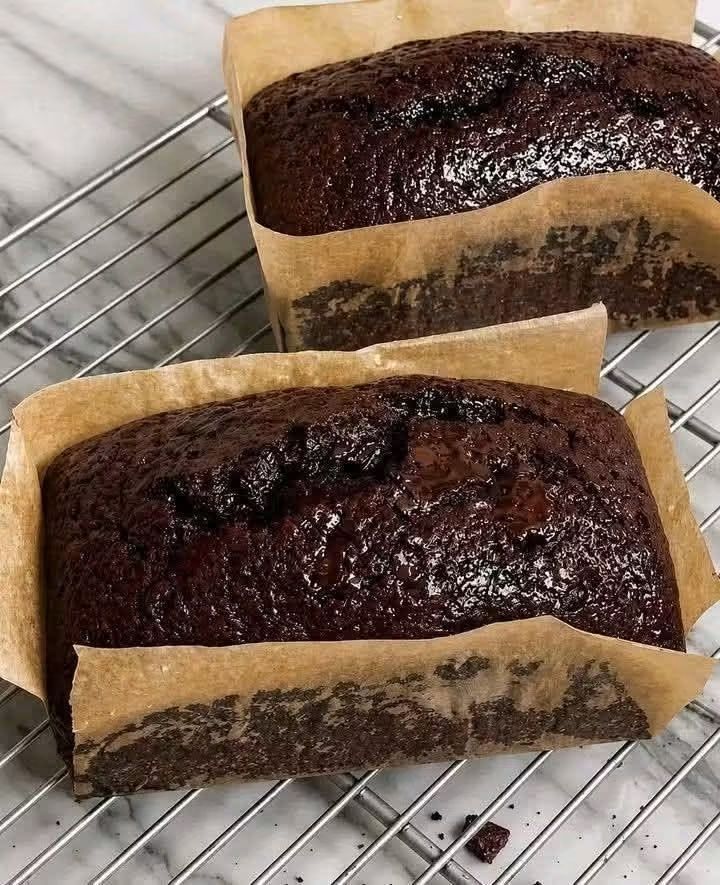
Diabetic-Friendly 5-Minute Melt-in-Your-Mouth Cake
Introduction
This simple diabetic-friendly cake is designed for those moments when you want something soft, tender, and satisfying without spending hours in the kitchen. It comes together quickly, uses straightforward ingredients, and has a delicate texture that seems to melt in your mouth with every bite.
Instead of relying on a large amount of refined sugar, this version uses a suitable sugar substitute and naturally flavorful ingredients to create a gently sweet dessert. It is especially convenient for a quick afternoon treat, a light dessert after dinner, or a small homemade cake when unexpected guests arrive.
A diabetic-friendly recipe can still be comforting and delicious. The key is choosing ingredients carefully and paying attention to portion size and total carbohydrate content.
Ingredients
- 2 large eggs
- 1/2 cup unsweetened Greek yogurt
- 2 tablespoons melted unsalted butter or coconut oil
- 1/3 cup almond flour
- 2 tablespoons coconut flour
- 2 to 3 tablespoons granulated sugar substitute suitable for baking
- 1 teaspoon vanilla extract
- 1/2 teaspoon baking powder
- 1/4 teaspoon cinnamon
- 1 small pinch of salt
- 2 tablespoons unsweetened milk, if needed
- Optional: a few drops of lemon juice or a small amount of grated lemon zest
Instructions
- Prepare the Batter
Place the eggs in a mixing bowl and whisk until smooth and slightly foamy. Add the Greek yogurt, melted butter, vanilla extract, and sugar substitute. Mix thoroughly until the ingredients are well combined.
- Add the Dry Ingredients
Add the almond flour, coconut flour, baking powder, cinnamon, and salt. Stir gently until a smooth batter forms.
Because coconut flour absorbs a considerable amount of liquid, allow the batter to stand for about one minute. If it becomes too thick, add the unsweetened milk one tablespoon at a time until you have a thick but pourable consistency.
- Prepare the Pan
Lightly grease a small microwave-safe baking dish, ramekin, or silicone cake mold. Pour the batter into the prepared dish and smooth the surface.
- Quick Cooking Method
For a very fast version, microwave the cake on high for approximately 2 to 3 minutes, depending on the strength of your microwave and the size of the dish.
Begin checking after 2 minutes. The cake should look set in the center and spring back lightly when touched.
- Oven Method
If you prefer traditional baking, preheat the oven to 175°C (350°F). Pour the batter into a small greased baking dish and bake for approximately 15 to 20 minutes, or until the center is set and a toothpick inserted into the middle comes out mostly clean.
- Rest Before Serving
Allow the cake to cool for several minutes before serving. This gives the crumb time to finish setting and makes the texture softer and more delicate.
Method
The secret to this quick cake is keeping the batter simple and avoiding overmixing. Eggs provide structure, Greek yogurt adds moisture, almond flour contributes richness, and coconut flour helps create a tender cake without traditional wheat flour.
For the softest result, mix only until the ingredients are combined. Overmixing can make the cake heavier.
The microwave method produces a particularly fast individual cake, while the oven method gives a slightly more traditional cake texture and gently browned surface.
Formation and Texture
The finished cake should be soft, moist, and tender rather than dry or crumbly. The center should have enough moisture to give the impression of melting in the mouth while still being fully cooked.
For a more elegant presentation, allow the cake to cool completely and then dust the top very lightly with cinnamon. You can also serve it with a spoonful of unsweetened Greek yogurt.
A Brief History of Diabetic-Friendly Baking
Diabetic-friendly baking developed alongside greater awareness of the relationship between food, carbohydrates, and blood-glucose management. Traditional cakes often contain significant quantities of refined flour and added sugar, so home cooks began experimenting with alternative ingredients.
Almond flour, coconut flour, unsweetened dairy products, nuts, seeds, and sugar substitutes became common ingredients in recipes designed to reduce refined carbohydrates.
Modern diabetic-friendly baking is not simply about removing sugar. It is also about considering the complete nutritional profile of a recipe, including carbohydrates, fiber, protein, fats, and portion size.
Serving Suggestions
This cake can be enjoyed on its own or paired with ingredients that do not add a large amount of sugar.
Try serving it with:
- Unsweetened Greek yogurt
- Fresh berries in a controlled portion
- A little cinnamon
- Unsweetened whipped cream
- Chopped walnuts or almonds
- A small spoonful of unsweetened nut butter
- Lemon zest for a fresh flavor
Avoid adding conventional powdered sugar, sweetened condensed milk, regular frosting, or sugary sauces if you are trying to keep the recipe lower in added sugar.
Variations
Lemon Cake
Add 1 teaspoon of finely grated lemon zest and a small squeeze of fresh lemon juice to the batter.
Cinnamon Cake
Increase the cinnamon slightly and add a pinch of nutmeg for a warm, comforting flavor.
Almond Vanilla Cake
Add a few drops of almond extract along with the vanilla and sprinkle a few chopped almonds over the top before baking.
Berry Version
Serve the finished cake with a small portion of fresh strawberries, raspberries, or blueberries rather than mixing a large amount of fruit into the batter.
Tips for Success
Use room-temperature eggs and yogurt when possible. They blend more easily and help create a smoother batter.
Do not add too much coconut flour. It absorbs liquid quickly and can turn the batter dry.
Check the cake early when using a microwave because cooking times vary considerably between appliances.
Allow the cake to rest for several minutes after cooking. The texture improves as it cools slightly.
If this cake is being prepared for someone with diabetes, remember that sugar-free does not necessarily mean carbohydrate-free. Almond flour, coconut flour, yogurt, milk, and other ingredients still contribute carbohydrates. Individual blood-glucose responses also vary.
Conclusion
This quick diabetic-friendly cake proves that a simple dessert does not need to be complicated. With a handful of carefully chosen ingredients and only a few minutes of preparation, you can create a soft, tender cake that feels like a genuine homemade treat.
It is particularly useful when a traditional cake feels too time-consuming or when you want a smaller dessert that can be prepared fresh. The gentle sweetness, creamy yogurt, vanilla, and delicate almond-coconut crumb make it an easy recipe to return to again and again.
For Cake Lovers
If you love soft homemade cakes but want to reduce refined sugar, this recipe is a wonderful starting point. It can be enjoyed warm from the kitchen or cooled and served with your favorite lower-sugar accompaniment.
The best part is its simplicity: mix, cook, rest, and serve. In just a few minutes, you can have a warm little cake ready to enjoy.
Always adjust the ingredients and portion size according to your individual dietary needs and, if you have diabetes, any guidance provided by your healthcare professional.