
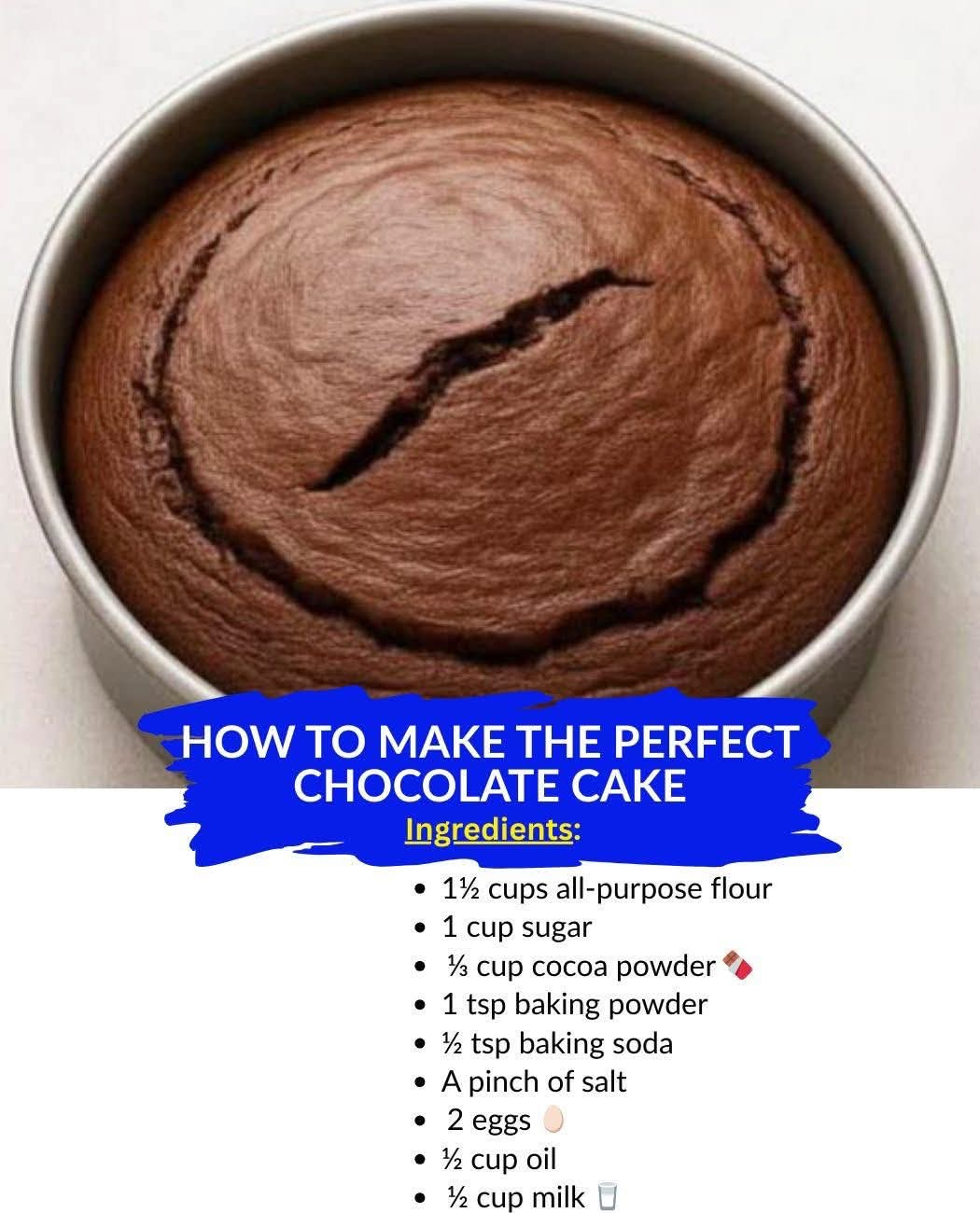
How to Make the Perfect Chocolate Cake
Soft, Moist, Rich, and Super Chocolatey
Introduction
There is nothing quite like a homemade chocolate cake fresh from the oven. With its soft texture, rich cocoa flavor, and wonderfully moist crumb, this classic dessert is perfect for birthdays, family gatherings, holidays, or simply satisfying a chocolate craving.
The secret to making the perfect chocolate cake is using the right balance of ingredients, mixing the batter gently, and adding hot water or hot coffee to help bring out the deep chocolate flavor. Even without an expensive mixer or complicated techniques, you can create a delicious cake that tastes like it came straight from a bakery.
This easy chocolate cake recipe uses simple pantry ingredients and comes together in just a few steps. Whether you enjoy it plain, dusted with powdered sugar, or covered with creamy chocolate frosting, every slice is a little piece of homemade happiness.
Ingredients

For the Chocolate Cake
- 1½ cups all-purpose flour
- 1 cup granulated sugar
- ⅓ cup unsweetened cocoa powder
- 1 teaspoon baking powder
- ½ teaspoon baking soda
- A pinch of salt
- 2 large eggs, at room temperature
- ½ cup vegetable oil
- ½ cup milk
- ½ cup hot water or hot coffee
- 1 teaspoon vanilla extract
Optional Chocolate Frosting
For an extra indulgent dessert, prepare this simple chocolate frosting.
- ½ cup unsalted butter, softened
- ⅓ cup unsweetened cocoa powder
- 2 cups powdered sugar
- 3–4 tablespoons milk
- 1 teaspoon vanilla extract
- A small pinch of salt
Instructions
Step 1: Prepare the Oven and Cake Pan
Preheat your oven to 350°F (175°C). Grease an 8-inch round cake pan with butter or oil, then lightly dust it with flour. You can also line the bottom with parchment paper to make removing the cake easier.
Make sure your oven has reached the correct temperature before placing the cake inside. Proper preheating helps the cake rise evenly and develop a soft, tender texture.
Step 2: Mix the Dry Ingredients

In a large mixing bowl, add the flour, granulated sugar, cocoa powder, baking powder, baking soda, and salt.
Whisk everything together until the mixture is evenly combined. If your cocoa powder contains lumps, sift it before mixing.
This step distributes the leavening agents throughout the flour, helping the cake rise evenly and preventing pockets of baking soda or baking powder in the finished dessert.
Step 3: Add the Wet Ingredients
In a separate bowl, whisk together the eggs, vegetable oil, milk, and vanilla extract until smooth.
Pour the wet mixture into the bowl of dry ingredients. Stir gently with a whisk or spatula until the ingredients are just combined.
Avoid overmixing the batter. Mixing too much can develop excess gluten in the flour, making the cake less tender.
Step 4: Add the Hot Water or Coffee

Slowly pour the hot water or hot coffee into the batter while stirring gently.
The batter will become thinner than a typical cake batter. This is completely normal and helps create a moist, delicate crumb.
Hot coffee is an excellent option because it intensifies the chocolate flavor without necessarily making the cake taste like coffee. If you prefer a more traditional flavor, simply use hot water.
Make sure the liquid is hot rather than violently boiling, and mix until the batter is smooth.
Step 5: Pour the Batter into the Pan
Pour the chocolate batter into your prepared cake pan. Gently tap the pan against the counter once or twice to release large air bubbles.
Use a spatula to smooth the surface if necessary.
Do not fill the pan more than about two-thirds full. If you have extra batter, bake it separately in a small oven-safe dish or cupcake liners.
Step 6: Bake the Chocolate Cake

Place the pan in the center of the preheated oven and bake for approximately 30–35 minutes.
Baking time can vary depending on your oven and cake pan, so begin checking around the 28-minute mark.
To test for doneness, insert a toothpick into the center of the cake. It should come out clean or with a few moist crumbs, but without wet batter.
Avoid opening the oven door too early, as a sudden temperature change can interfere with the cake’s rise.
Step 7: Cool the Cake Properly
Remove the cake from the oven and let it rest in the pan for about 10–15 minutes.
Carefully run a knife around the edges, then turn the cake out onto a wire rack. Allow it to cool completely before adding frosting.
Frosting a warm cake can cause the butter to melt and the frosting to slide off. Patience at this stage makes a big difference in the final appearance.
Step 8: Prepare the Chocolate Frosting

In a medium bowl, beat the softened butter until smooth and creamy.
Add the cocoa powder and mix until fully incorporated. Gradually add the powdered sugar, followed by the vanilla extract and a pinch of salt.
Add the milk one tablespoon at a time until the frosting reaches a smooth, spreadable consistency.
If the frosting is too thick, add a little more milk. If it becomes too thin, add a little extra powdered sugar.
Step 9: Frost and Decorate
Once the cake has cooled completely, spread the chocolate frosting evenly over the top and sides.
For a simple finish, use the back of a spoon to create soft swirls. You can also decorate the cake with chocolate shavings, cocoa powder, or a few chocolate chips.
For an elegant presentation, leave the sides unfrosted and spread the frosting only across the top.
Step 10: Slice and Serve

Cut the cake into generous slices using a sharp knife. For especially neat slices, wipe the knife clean between cuts.
Serve at room temperature with coffee, tea, cold milk, or a scoop of vanilla ice cream.
Each bite should be soft, rich, and full of chocolate flavor.
Methods for Making the Perfect Chocolate Cake
There are several important techniques that help turn a simple chocolate cake into a wonderfully moist dessert.
1. Measure the flour correctly. Spoon the flour into your measuring cup and level it off rather than packing it down. Too much flour can make the cake dense and dry.
2. Use good-quality cocoa powder. Unsweetened cocoa provides the main chocolate flavor. A fresh, good-quality cocoa powder can make a noticeable difference.
3. Choose oil for moisture. Vegetable oil helps the cake remain moist even after refrigeration. Unlike butter, oil stays liquid at cooler temperatures, which helps preserve a soft texture.
4. Use room-temperature eggs. Eggs that are not too cold combine more easily with the other ingredients and help produce a uniform batter.
5. Do not overmix. Once the flour is incorporated, stop stirring. Gentle mixing helps maintain a tender crumb.
6. Add hot liquid gradually. Hot water or coffee helps disperse the cocoa and produces a thinner batter that bakes into a moist cake.
7. Avoid overbaking. Start checking the cake a few minutes before the estimated baking time ends. Leaving it in the oven too long is one of the most common reasons chocolate cakes become dry.
8. Cool before frosting. A completely cooled cake is easier to decorate and less likely to break when handled.
The History of Chocolate Cake
Chocolate cake has a fascinating history that developed alongside the growing popularity of chocolate in Europe and North America.
For centuries, chocolate was primarily consumed as a beverage. As chocolate processing improved and cocoa powder became more widely available during the nineteenth century, bakers began incorporating it into cakes and other baked goods.
The development of more reliable baking powder and baking soda also made it easier to produce cakes with a lighter, more consistent texture. Over time, chocolate cake became a familiar feature of celebrations, birthdays, weddings, and family dinners.
During the twentieth century, packaged cocoa powder, cake mixes, and home ovens made chocolate cake even more accessible to everyday home cooks.
Today, chocolate cake appears in countless forms, from simple one-layer cakes to elaborate chocolate fudge cakes, layered birthday cakes, and flourless chocolate desserts. Despite all these variations, the appeal remains the same: a tender cake with a satisfying chocolate flavor that brings people together.
Formation and Texture: What Makes This Cake So Moist?
The texture of a chocolate cake depends on how its ingredients work together during mixing and baking.
- Flour provides the structure that holds the cake together.
- Eggs help bind the ingredients and contribute to the cake’s structure.
- Sugar sweetens the cake and helps retain moisture.
- Vegetable oil adds richness and keeps the crumb soft.
- Milk contributes moisture and helps combine the ingredients.
- Cocoa powder provides the distinctive chocolate taste and dark color.
- Baking powder and baking soda help the batter rise by producing gas during baking.
- Hot water or coffee helps disperse the cocoa and creates a fluid batter that bakes into a moist texture.
- Vanilla extract adds warmth and complements the chocolate flavor.
During baking, the cake rises as gas expands and the leavening agents react. The egg proteins and flour structure then set, allowing the cake to hold its shape.
The ideal result is a cake that feels soft when sliced, stays moist when eaten, and has enough structure to support a layer of frosting.
Delicious Variations to Try

1. Chocolate Ganache Cake
Replace the buttercream with a glossy ganache made from warm cream and chopped chocolate. Pour it over the cooled cake for a smooth, luxurious finish.

2. Chocolate Strawberry Cake
Decorate the cake with fresh strawberries and chocolate shavings. The fresh fruit adds a pleasant contrast to the rich chocolate.

3. Double Chocolate Cake
Fold about ½ cup of chocolate chips into the finished batter before baking for extra chocolate flavor and occasional melted chocolate pockets.

4. Chocolate Cake with Ice Cream
Serve a slice slightly warm with vanilla ice cream and a drizzle of chocolate sauce for a comforting dessert.
Serving Suggestions
This chocolate cake is versatile enough for casual afternoons and special celebrations.
- Serve with a cup of freshly brewed coffee.
- Pair with cold milk for a classic combination.
- Add fresh raspberries or strawberries for a fruity contrast.
- Serve with vanilla ice cream for a restaurant-style dessert.
- Add a light dusting of powdered sugar if you prefer a simpler finish.
- Decorate with chocolate curls for birthdays and celebrations.
Storage and Make-Ahead Tips
At room temperature: Store an unfrosted cake in an airtight container for up to 2 days in a cool environment. If the cake has perishable frosting, follow the frosting’s refrigeration requirements.
In the refrigerator: Keep frosted cake in an airtight container for approximately 4–5 days. Allow individual slices to sit at room temperature briefly before serving for a softer texture.
In the freezer: Wrap completely cooled, unfrosted cake tightly in plastic wrap and then foil. Freeze for up to 3 months for best quality. Thaw in the refrigerator or at room temperature while still wrapped.
Make-ahead tip: Bake the cake a day before serving, let it cool completely, and store it covered. Frost it on the day you plan to serve it for the freshest appearance.
Conclusion
The perfect chocolate cake does not need complicated ingredients or professional baking equipment. With flour, cocoa powder, sugar, eggs, oil, milk, and a little hot water or coffee, you can create a delicious homemade dessert with a soft crumb and rich chocolate flavor.
The most important secrets are to measure carefully, mix gently, watch the baking time, and allow the cake to cool before decorating. Once you master these simple techniques, this recipe can become a dependable favorite for birthdays, holidays, family gatherings, and everyday treats.
Whether you serve it plain or finish it with a generous layer of chocolate frosting, this homemade chocolate cake is a timeless dessert worth sharing.
For Chocolate Cake Lovers
If you love desserts that are rich, soft, and full of chocolate flavor, this recipe deserves a place in your collection. It is simple enough for beginner bakers yet delicious enough to serve to guests.
Bake it for someone special, share it with your family, or enjoy a slice with your favorite hot drink after a long day.
Recipe at a glance
- Preparation time: 15 minutes
- Baking time: 30–35 minutes
- Cooling time: 45–60 minutes
- Total time: Approximately 1 hour 30 minutes to 1 hour 50 minutes
- Yield: 8–10 slices
- Oven temperature: 350°F (175°C)
- Difficulty: Easy
Final tip: For the moistest result, begin checking the cake early and remove it from the oven as soon as a toothpick comes out clean or with a few moist crumbs. That small detail can make all the difference between an ordinary chocolate cake and a truly memorable one.