
Old-Fashioned Homemade Banana Bread: A Classic Saturday Morning Recipe

Introduction: The Sweet Smell of Homemade Banana Bread
There is something truly special about the smell of freshly baked banana bread filling the kitchen on a quiet Saturday morning. It brings back memories of childhood, family breakfasts, warm kitchens, and the simple comfort of homemade food. For many families, banana bread is more than just a recipe. It is a tradition passed down through generations, made whenever a bunch of bananas becomes too ripe to enjoy on its own.
My mom always knew how to turn ordinary ingredients into something unforgettable. Whenever the bananas on the counter became covered with brown spots, she would gather a few pantry staples, mash the bananas in a large bowl, and prepare her favorite banana bread. Before long, the entire house would smell of sweet bananas, melted butter, brown sugar, and vanilla.
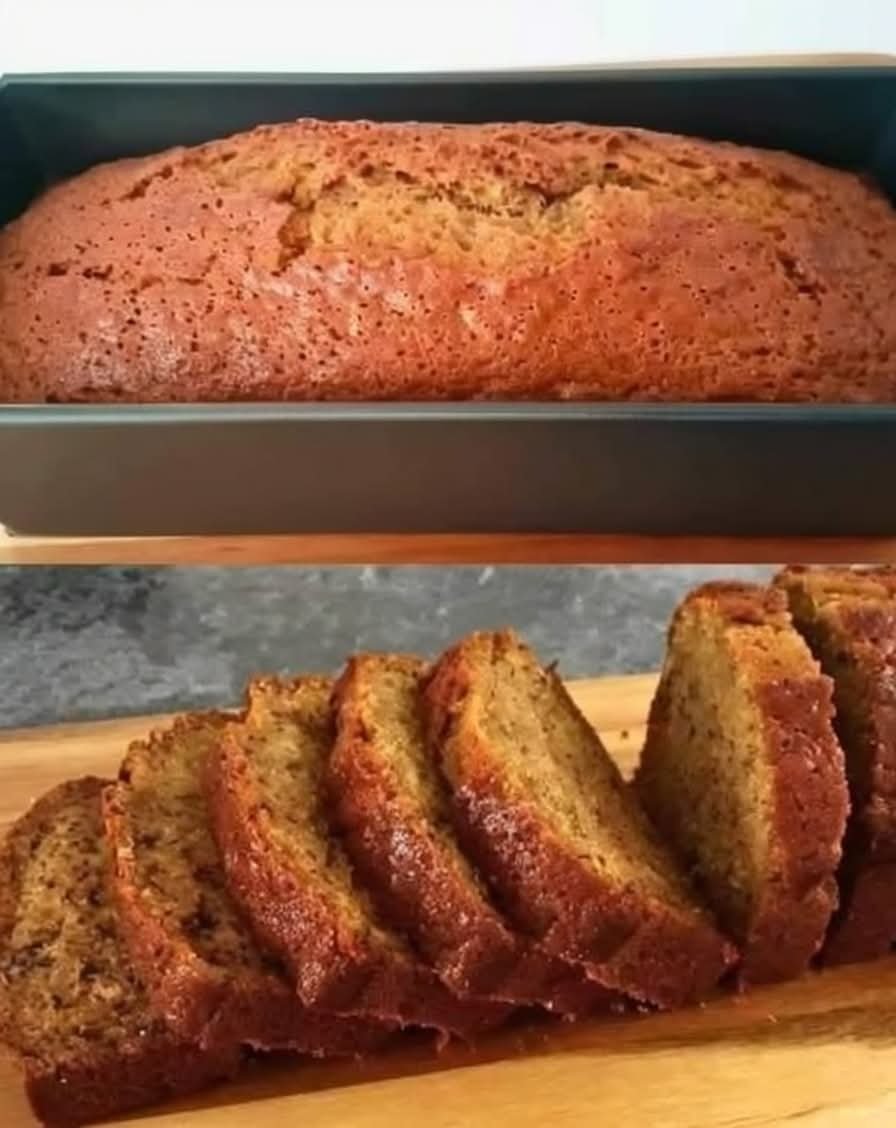
This old-fashioned banana bread has everything you could want in a homemade loaf. The top develops a beautiful golden-brown crust with a delicate sweetness, while the inside stays incredibly soft, tender, and moist. The brown sugar adds a deep, almost caramel-like flavor that complements the natural sweetness of the ripe bananas.
The best part is that you do not need special equipment, complicated techniques, or expensive ingredients. A mixing bowl, a fork, a loaf pan, and a handful of everyday ingredients are all you need.
Whether you serve it for breakfast, enjoy a slice with afternoon coffee, or sneak a warm piece straight from the oven, this banana bread is the kind of simple homemade treat that makes an ordinary day feel special.
Ingredients for Old-Fashioned Banana Bread

This recipe makes one standard 9-by-5-inch loaf, perfect for sharing with family or enjoying throughout the week.
Dry ingredients
- 1½ cups all-purpose flour
- 1 teaspoon baking soda
- 1 pinch of salt
Wet ingredients
- 2–3 very ripe bananas, mashed, about 1 cup
- 2 large eggs, preferably at room temperature
- ⅓ cup unsalted butter, melted and slightly cooled
- ¼ cup packed brown sugar
- ½ cup granulated white sugar
- 1 teaspoon vanilla extract, optional
Optional additions
If you want to personalize your banana bread, consider adding one of these ingredients:
- ½ teaspoon ground cinnamon for a warm, comforting flavor
- ½ cup chopped walnuts or pecans for a little crunch
- ½ cup chocolate chips for a sweeter loaf
- ¼ cup shredded coconut for extra texture
- ½ teaspoon ground nutmeg for a subtle, old-fashioned spice flavor
For a dairy-free variation, you can substitute melted coconut oil for the butter. The flavor will be slightly different, but the loaf will still be delicious.
Instructions: How to Make Homemade Banana Bread

Step 1: Prepare the oven and loaf pan
Preheat your oven to 350°F (175°C).
Grease a 9-by-5-inch loaf pan with butter or cooking spray. Alternatively, line the pan with parchment paper, leaving a little overhang on the sides so the finished loaf can be lifted out easily.
Preparing the pan before mixing the batter makes the baking process smoother and prevents the bread from sticking.
Step 2: Mash the ripe bananas
Peel the bananas and place them in a large mixing bowl.
Using a fork, mash them until mostly smooth. A few small chunks are perfectly fine because they create little pockets of soft banana throughout the finished bread.
For the best flavor, choose bananas with plenty of brown spots on their peels. Very ripe bananas are sweeter, softer, and easier to mash than yellow or slightly green bananas.
If your bananas are especially large, measure the mashed fruit and aim for approximately one cup.
Step 3: Add the melted butter
Pour the melted butter into the mashed bananas and stir until combined.
Allow the butter to cool slightly before adding it so it does not unnecessarily heat the eggs in the next step.
The butter contributes richness, tenderness, and flavor while helping the bread maintain its moist texture.
If you prefer a subtle coconut flavor, melted coconut oil can be used instead.
Step 4: Mix in the sugars
Add the brown sugar and granulated sugar to the banana mixture.
Stir until the sugars are evenly distributed.
Brown sugar is especially important in this recipe because its molasses content gives the bread a deeper sweetness and a warm, almost toffee-like taste. The white sugar helps balance the flavor and contributes to the golden crust.
Step 5: Add the eggs and vanilla
Crack the eggs into a separate small bowl, then add them to the banana mixture one at a time, mixing after each addition.
Stir in the vanilla extract if using.
The eggs help bind the ingredients together and give the loaf structure. Vanilla adds warmth and enhances the natural banana flavor without overpowering it.
Mix until the wet ingredients look evenly combined.
Step 6: Add the baking soda and salt
Sprinkle the baking soda and salt over the wet mixture.
Stir gently to distribute them evenly.
Baking soda helps the bread rise and contributes to its tender crumb. The salt balances the sweetness and makes the banana and butter flavors more noticeable.
Step 7: Fold in the flour
Add the flour to the bowl and gently fold it into the wet ingredients with a wooden spoon or spatula.
Mix only until the dry flour disappears. Do not beat the batter vigorously or continue mixing once everything is combined.
Overmixing can develop too much gluten, resulting in a tougher, denser loaf rather than the soft, tender texture that makes homemade banana bread so appealing.
If you are adding nuts, chocolate chips, or spices, gently fold them in at this stage.
Step 8: Transfer the batter to the pan
Pour the finished batter into the prepared loaf pan.
Use a spatula to spread it evenly, then gently smooth the surface.
The batter should look thick and creamy, with a natural banana aroma.
For a simple bakery-style appearance, leave the top smooth. If desired, place a thin slice of banana lengthwise on top before baking.
Step 9: Bake until golden brown
Place the pan on the center rack of the preheated oven.
Bake for approximately 50–60 minutes.
The top should become deeply golden brown, and the kitchen will begin to smell wonderfully sweet as the bananas and brown sugar bake together.
Check the loaf by inserting a toothpick into the center. It should come out clean or with a few moist crumbs, but without wet batter.
If the top becomes dark before the center is cooked, loosely cover the loaf with aluminum foil and continue baking.
Because ovens and loaf pans vary, begin checking around the 50-minute mark and allow additional time if needed.
Step 10: Cool before slicing
Remove the loaf from the oven and allow it to rest in the pan for approximately 10–15 minutes.
Carefully transfer it to a wire rack and let it cool further before slicing.
Although warm banana bread is tempting, a little cooling time helps the crumb set and makes it easier to cut neat slices.
If you love eating it warm, wait until it is firm enough to slice without falling apart. Serve with a little butter and enjoy.
Method: The Secret to Soft, Moist Banana Bread

The secret to excellent banana bread is not complicated. It comes down to choosing the right bananas, measuring carefully, and avoiding a few common mistakes.
Use very ripe bananas. Bananas with dark spots and soft flesh provide the best flavor. Their natural sweetness is more pronounced, and they blend easily into the batter.
Measure the banana carefully. Too much mashed banana can make the center overly wet and prevent the loaf from setting properly. Aim for about one cup.
Do not overmix. Once the flour is added, stir only until combined. This is one of the easiest ways to keep the bread tender.
Use the correct pan size. A 9-by-5-inch loaf pan gives the batter enough room to bake evenly. A smaller pan may require extra baking time.
Check the center, not just the top. A beautiful golden crust does not necessarily mean the middle is finished. Always test with a toothpick.
Allow the loaf to rest. Cooling gives the interior time to finish setting and helps preserve its texture when sliced.
The History of Banana Bread
Banana bread is a beloved example of home baking that turns a simple ingredient into something memorable.
Although bananas had been eaten in the United States for generations, quick breads became especially practical as baking soda and baking powder became common household ingredients. These chemical leaveners allowed home cooks to make tender loaves without yeast or a long rising period.
Banana bread became particularly popular in American home kitchens during the 1930s, when household cooks and recipe publishers increasingly promoted ways to use overripe bananas instead of wasting them.
During difficult economic times, making use of every ingredient mattered. Soft, overripe bananas that might otherwise have been thrown away could be transformed into a sweet loaf using flour, sugar, eggs, and fat.
As the recipe spread, families developed their own versions. Some preferred walnuts, others added cinnamon, and many experimented with different amounts of butter or sugar.
Over the decades, banana bread became a familiar breakfast treat, afternoon snack, lunchbox favorite, and homemade gift.
Today, it remains popular because it combines affordability, simplicity, and nostalgia. Every family may have a slightly different recipe, but the comforting aroma of banana bread baking in the oven remains wonderfully familiar.
Formation: Understanding the Texture and Flavor
The formation of banana bread during baking is what gives it its distinctive combination of a golden crust and a moist interior.
The role of ripe bananas
Ripe bananas contribute moisture, natural sugars, and a strong fruity flavor. As the bread bakes, their sugars help develop the sweet aroma and rich taste associated with homemade banana bread.
The role of brown sugar
Brown sugar contributes moisture and a deeper caramel-like flavor. Combined with the bananas, it creates a richer taste than white sugar alone.
The role of butter
Butter adds richness and helps create a tender crumb. It also contributes to the satisfying flavor of the crust.
The role of eggs
Eggs help bind the batter and provide structure. As they cook, they help the loaf hold its shape while remaining soft inside.
The role of flour
Flour forms the main structure of the bread. When mixed with the wet ingredients, it creates the batter that sets during baking. Gentle mixing keeps that structure tender rather than tough.
The role of baking soda
Baking soda helps the batter rise, producing a lighter loaf. Its reaction with acidic ingredients in the mixture supports the bread’s characteristic quick-bread texture.
Why the crust becomes golden
As the loaf bakes, the surface dries and browns through heat-driven reactions involving sugars and proteins. The result is a delicate crust with a slightly crisp exterior and a sweet, toasted flavor.
The contrast between the golden crust and soft banana-filled center is one of the reasons this recipe is so satisfying.
Serving Suggestions


Banana bread is delicious on its own, but there are plenty of ways to make it part of a special meal.
- Classic breakfast: Serve a thick slice with coffee, tea, or a glass of milk.
- Warm with butter: Spread a little butter over a warm slice and let it melt into the crumb.
- With fresh fruit: Pair it with strawberries, blueberries, or sliced apples.
- As an afternoon snack: Enjoy a slice with your favorite hot drink.
- For dessert: Serve slightly warmed banana bread with vanilla ice cream.
- For a special brunch: Arrange thick slices on a platter with fruit, yogurt, and other breakfast favorites.
- Toasted the next day: Toast a slice lightly to bring out its buttery aroma and create crisp edges.
Recipe Variations to Try
1. Cinnamon Banana Bread
Add ½–1 teaspoon of ground cinnamon to the dry ingredients. The spice complements the banana and brown sugar, giving the loaf a cozy, old-fashioned flavor.
2. Banana Walnut Bread
Fold ½ cup of chopped walnuts into the batter before baking. The nuts provide a pleasant crunch that contrasts with the soft crumb.
3. Chocolate Chip Banana Bread
Add ½ cup of chocolate chips to the finished batter. The chocolate melts into the bread, creating little pockets of sweetness.
4. Coconut Banana Bread
Replace the butter with melted coconut oil and fold in ¼ cup of shredded coconut. This variation gives the loaf a subtle tropical character.
5. Banana Pecan Bread
Use ½ cup of chopped pecans instead of walnuts. Pecans pair particularly well with the caramel-like notes of brown sugar.
6. Banana Bread with a Cinnamon Sugar Top
Before baking, sprinkle a light mixture of one tablespoon of sugar and ¼ teaspoon of cinnamon over the batter. This creates an extra-sweet crust with a delicate crunch.
Common Mistakes to Avoid
Using bananas that are not ripe enough: Firm yellow bananas usually have less sweetness and a milder flavor. Very ripe bananas generally give the best results.
Adding too much banana: Extra fruit may seem like a good idea, but excessive moisture can leave the center gummy. Measure the mashed bananas.
Overmixing the batter: Too much mixing after adding flour can make the loaf dense and chewy.
Removing the loaf too early: If the center is still wet, the bread may collapse or become sticky inside. Test the center before removing it from the oven.
Cutting too soon: Slicing immediately can cause the loaf to crumble. Let it rest before cutting.
Storing it while hot: Allow the bread to cool before wrapping it to reduce trapped condensation, which can make the crust soggy.
Storage and Freezing Instructions
One of the best things about banana bread is that it can be enjoyed over several days.
At room temperature: Once completely cool, store the loaf in an airtight container or wrap it securely. It generally keeps well for about 2–3 days in a cool kitchen.
In the refrigerator: Store it in an airtight container for up to about one week. Refrigeration may make the bread a little firmer, so warm slices briefly before serving if desired.
In the freezer: Wrap the completely cooled loaf tightly in plastic wrap or freezer-safe wrapping, then place it in a freezer bag or container. Freeze for up to about three months for best quality.
You can freeze the whole loaf or cut it into individual slices. Slices are especially convenient because you can thaw only what you need.
To serve, thaw at room temperature or warm a slice gently in the microwave or toaster oven.
Frequently Asked Questions
Can I make banana bread without a mixer?
Yes. A fork, a mixing bowl, and a wooden spoon are enough. In fact, mixing by hand makes it easier to avoid overworking the batter.
Why is my banana bread wet in the middle?
The loaf may need more baking time, the bananas may have been too large, or the batter may have contained too much moisture. Check the center with a toothpick and measure the mashed bananas carefully next time.
Can I reduce the sugar?
You can experiment with reducing the white sugar slightly, especially when using very ripe bananas. However, sugar also affects moisture, browning, and texture, so a large reduction may change the finished loaf.
Can I use frozen bananas?
Yes. Thaw the bananas completely and drain away excess liquid if necessary before mashing and measuring them.
Can I make this recipe with coconut oil?
Yes. Use the same amount of melted coconut oil in place of the butter. The flavor and texture may differ slightly.
How do I know when banana bread is done?
The loaf should be golden brown, and a toothpick inserted into the center should come out clean or with a few moist crumbs. There should be no raw batter on it.
Is banana bread a breakfast food or a dessert?
It can be either. Many people enjoy it for breakfast or as a snack, while others serve it as a simple dessert with whipped cream or ice cream.
Conclusion: A Simple Recipe Filled with Memories
Old-fashioned banana bread reminds us that the best homemade treats do not need complicated ingredients or elaborate techniques.
With a few ripe bananas, flour, eggs, butter, and brown sugar, you can create a loaf that is golden on the outside, soft in the middle, and filled with the comforting sweetness of home baking.
It is a wonderful way to use bananas that have become too spotty for the fruit bowl, and it is just as suitable for a quiet weekend breakfast as it is for sharing with friends and family.
Perhaps the best part is the smell that fills the house while the loaf bakes. That warm banana and brown sugar aroma has a way of bringing people into the kitchen before you even call them.
Bake it for your family, share it with a neighbor, or save a few slices for the next morning. Sometimes, the simplest recipes become the ones we return to again and again.
For Banana Bread Lovers
If you love old-fashioned homemade baking, this recipe deserves a place in your collection. It is simple enough for beginners, flexible enough for experimenting, and comforting enough to become a family favorite.
Enjoy it plain, serve it warm with butter, or try one of the variations to make it your own.
A question for fellow banana bread lovers: Do you prefer your banana bread plain with that beautiful golden crust, or do you like adding walnuts, cinnamon, or chocolate chips?
And be honest: do you wait for the loaf to cool completely, or do you cut that first warm slice as soon as you can?
Save this recipe for the next time your bananas start getting brown spots on the counter. Those overripe bananas might just become the best thing to come out of your kitchen this weekend.