
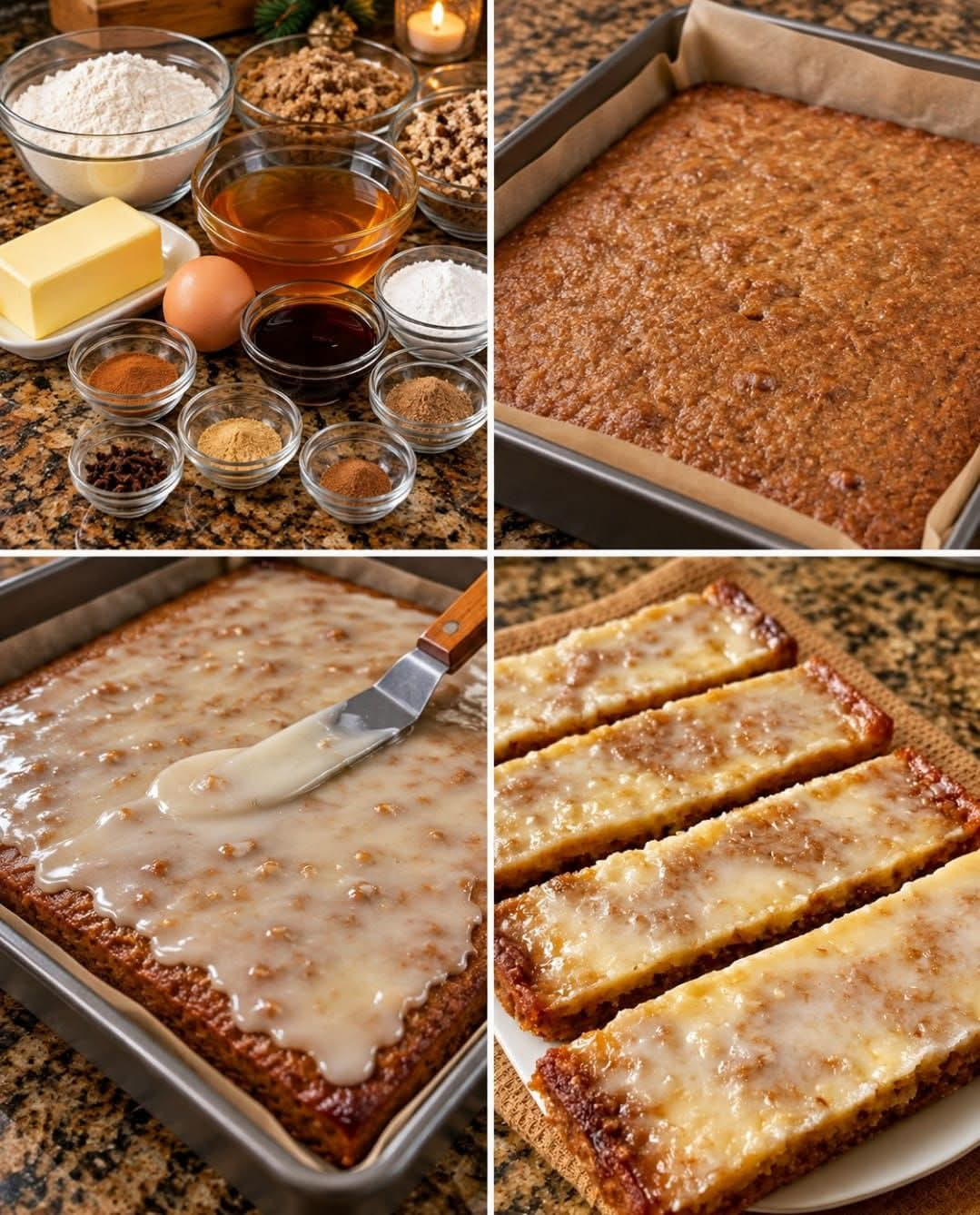
Traditional German Christmas Lebkuchen: A Taste of Nuremberg


Introduction
Some Christmas recipes are more than just sweet treats. They carry memories of childhood, family traditions, and the wonderful aromas that fill a home during the holiday season. Traditional German Christmas Lebkuchen is one of those special recipes, loved for its rich spices, nutty flavor, and soft, fragrant texture.
Inspired by the traditional Christmas baking of Nuremberg, Germany, these delicious cookies combine warm cinnamon, ginger, cloves, honey, almonds, and hazelnuts to create a flavor unlike ordinary gingerbread. Their magic lies not only in the ingredients but also in the waiting. After baking, Lebkuchen can be stored for several days so the spices have time to blend and deepen, creating an even more delicious treat.
For families who celebrate Christmas with homemade sweets, Lebkuchen is a beautiful tradition worth preserving. Make a batch, let it rest, and enjoy the anticipation as the flavors develop into something truly memorable.
Ingredients
This recipe makes approximately 24–30 cookies, depending on their size.
For the Lebkuchen cookies
- 2 cups (200 g) ground almonds
- 1 cup (120 g) finely ground hazelnuts
- 1 cup (125 g) all-purpose flour
- 3/4 cup (150 g) brown sugar
- 1/2 cup (170 g) honey
- 2 large eggs
- 2 tablespoons finely chopped candied orange peel
- 2 tablespoons finely chopped candied lemon peel
- 1 teaspoon ground cinnamon
- 1/2 teaspoon ground ginger
- 1/4 teaspoon ground cloves
- 1/4 teaspoon ground nutmeg
- 1/2 teaspoon ground cardamom
- 1 teaspoon baking powder
- 1 teaspoon vanilla extract
- 1 tablespoon lemon zest
- A pinch of salt
- 24–30 edible baking wafers, approximately 2 inches in diameter, optional
For the chocolate glaze
- 1 cup (170 g) dark chocolate chips or chopped dark chocolate
- 1 teaspoon coconut oil or neutral vegetable oil, optional
For the simple sugar glaze
- 1 cup (120 g) powdered sugar
- 2–3 tablespoons water or lemon juice
You can finish the cookies with either chocolate glaze or sugar glaze. For a traditional assortment, divide the batch and prepare both.
Instructions
Step 1: Prepare the ingredients
Preheat the oven to 325°F (165°C). Line two baking sheets with parchment paper.
Measure the ground almonds, ground hazelnuts, flour, baking powder, salt, and spices. Finely chop the candied orange and lemon peel so that the pieces distribute evenly throughout the dough.
The combination of nuts, citrus, and warming spices gives Lebkuchen its distinctive character.
Step 2: Mix the dry ingredients
In a large bowl, combine the ground almonds, ground hazelnuts, flour, baking powder, cinnamon, ginger, cloves, nutmeg, cardamom, and salt.
Whisk everything together until the spices are evenly distributed. Set aside.
Step 3: Combine the wet ingredients
In another bowl, beat the eggs and brown sugar until the mixture becomes smooth and slightly thickened.
Add the honey, vanilla extract, and lemon zest. Mix until combined.
Stir in the chopped candied orange peel and candied lemon peel. These ingredients add little bursts of citrus flavor that balance the sweetness of the honey and richness of the nuts.
Step 4: Make the dough
Gradually add the dry ingredients to the wet mixture, stirring until a thick, sticky dough forms.
The dough should be moist and slightly tacky rather than firm like ordinary rolled cookie dough. If it feels too loose to shape, refrigerate it for 30–45 minutes.
Avoid adding too much extra flour, as that can make the finished cookies dry.
Step 5: Shape the cookies
If using baking wafers, place them on the prepared baking sheets.
Spoon approximately 1 1/2 tablespoons of dough onto each wafer and gently spread it into a rounded mound, leaving a small border around the edge. If you are not using wafers, place small mounds of dough directly onto the parchment paper.
Flatten the tops slightly with damp fingers or the back of a spoon.
Traditional Nuremberg-style Lebkuchen is often shaped into thick, rounded cookies rather than thin, crisp gingerbread shapes.
Step 6: Bake until fragrant
Bake for approximately 18–22 minutes, depending on the size of the cookies.
The edges should be lightly golden, and the centers should feel set while remaining soft. Do not overbake them; Lebkuchen is meant to have a tender texture.
Remove the baking sheets from the oven and allow the cookies to rest for five minutes. Transfer them carefully to a wire rack and let them cool completely before glazing.
Step 7: Prepare the chocolate glaze
Place the chocolate in a heatproof bowl and melt it gently in the microwave in 20-second intervals, stirring between each interval. Alternatively, melt it over a saucepan of gently simmering water.
Stir in the optional oil to make the chocolate smoother and easier to spread.
Dip the tops of the cooled cookies into the melted chocolate or brush on a thin layer. Place them on parchment paper until the chocolate has set.
Step 8: Prepare the sugar glaze
Place the powdered sugar in a small bowl. Add the water or lemon juice gradually, mixing until a smooth, spreadable glaze forms.
Brush a thin layer over the cooled cookies and allow it to dry completely.
The lemon glaze gives the cookies a bright finish, while the chocolate coating offers a deeper, richer sweetness.
Step 9: Let the flavors develop
Once the glaze has completely set, arrange the cookies in an airtight container, separating layers with parchment paper.
Store them in a cool, dry place for several days before serving, provided the cookies are fully baked and handled safely. Their aroma and flavor can become more rounded as the spices, honey, and citrus meld together.
For this homemade version, begin tasting after two or three days and enjoy them within about one week for the best quality. Traditional recipes and storage methods vary, so follow a tested recipe if you plan to keep them for longer periods.
Methods for Perfect German Lebkuchen


The traditional mixing method
The key to good Lebkuchen is balancing the dry nuts with honey, eggs, and fragrant spices. Mix until the ingredients come together, but avoid making the dough unnecessarily dense.
The gentle baking method
Use moderate oven heat and remove the cookies while their centers remain tender. Overbaking can rob them of the soft texture that makes this style of Christmas cookie so special.
The flavor-maturing method
Allowing the cookies to rest after baking is one of the most enjoyable parts of the tradition. The honey, citrus, and spices gradually harmonize, making each bite taste richer and more complex.
The glazing method
Apply chocolate or sugar glaze only after the cookies have cooled completely. This prevents the coating from melting unevenly and helps create a smooth, attractive finish.
History of Nuremberg Lebkuchen

Lebkuchen has a long history in Germany, with roots in medieval European honey cakes and spiced baked goods. Honey was an important sweetener before refined sugar became widely available, while spices brought through historic trade routes made these treats especially prized.
The city of Nuremberg became particularly famous for its Lebkuchen. Its historic trading connections helped provide access to ingredients such as cinnamon, cloves, cardamom, and other spices. The surrounding region also supported traditions of beekeeping, making honey an important ingredient in sweet baking.
Over time, Nuremberg developed a distinctive style of Lebkuchen, including varieties rich in nuts and relatively low in flour. One famous type, Elisenlebkuchen, is especially associated with a high nut content and a tender interior.
Lebkuchen became closely connected with German Christmas markets, family gatherings, gift boxes, and festive celebrations. Many families developed their own versions, adjusting the spices, nuts, citrus peel, and coatings according to personal taste.
The practice of letting the cookies rest reflects the character of spiced honey baking: some versions become more harmonious and tender after a short maturation period. That waiting period is part of what makes these cookies feel like a true holiday tradition.
Formation and Texture: What Makes Lebkuchen Special?
The texture of Lebkuchen differs from that of ordinary sugar cookies.
- The nut base: Ground almonds and hazelnuts provide richness, moisture, and a delicate, slightly dense crumb.
- The honey: Honey contributes sweetness and helps the cookies retain moisture.
- The spices: Cinnamon, ginger, cloves, nutmeg, and cardamom create the warm aroma associated with Christmas baking.
- The citrus peel: Candied orange and lemon bring a fruity, slightly bittersweet note that balances the other ingredients.
- The glaze: Chocolate adds richness, while sugar glaze gives a thin, sweet finish.
- The resting period: Time allows the flavors to blend and can improve the overall eating experience.
The result is a cookie that is fragrant, nutty, gently sweet, and tender in the center.
Helpful Tips for the Best Results
- Use fresh spices. Old spices can lose much of their aroma, and this recipe depends on their flavor.
- Choose finely ground nuts. A fine texture helps the dough hold together and creates a more uniform cookie.
- Chop the candied peel finely. Large pieces can make the cookies difficult to shape.
- Avoid overbaking. The cookies should remain tender rather than becoming crisp and dry.
- Cool completely before storing. Trapping warmth inside a container can create condensation.
- Keep the container airtight. This helps preserve the cookies’ texture and aroma.
- Label the container with the baking date. This makes it easier to track the resting period and freshness.
Variations to Try
Chocolate and hazelnut Lebkuchen
Use a dark chocolate coating and add a little extra ground hazelnut for a rich, nut-forward variation.
Orange-spice Lebkuchen
Increase the orange zest slightly and use a lemon glaze for a brighter citrus flavor.
Almond Christmas Lebkuchen
Use only ground almonds instead of a mixture of almonds and hazelnuts. The result will have a gentler, more delicate nut flavor.
Rustic honey Lebkuchen
Skip the glaze and serve the cookies plain. This lets the honey, spices, and citrus shine without an extra layer of sweetness.
Serving Suggestions
Serve Lebkuchen with hot tea, coffee, or a mug of warm milk. Arrange the cookies on a Christmas dessert platter with roasted nuts, dried fruit, and other traditional holiday sweets.
They also make lovely homemade gifts. Place a few cookies in a decorative tin, separate the layers with parchment paper, and add a handwritten note explaining the German Christmas tradition behind them.
For a festive dessert table, offer both chocolate-coated and sugar-glazed versions so guests can choose their favorite.
Conclusion
Traditional German Christmas Lebkuchen is a wonderful reminder that some of the best holiday recipes are worth waiting for. Its fragrant spices, rich nuts, honey sweetness, and delicate citrus notes create a dessert with a flavor all its own.
What makes this recipe especially meaningful is the tradition of preparing it ahead of time. Baking the cookies, storing them carefully, and waiting for the flavors to develop turns a simple kitchen activity into a cherished Christmas ritual.
Whether you grew up enjoying Lebkuchen in Germany or are discovering it for the first time, these cookies bring warmth, history, and homemade goodness to the holiday table.
For the Lovers of Traditional Christmas Baking
If you love old-fashioned recipes, European holiday traditions, and sweets that remind you of family, these Lebkuchen cookies deserve a place in your recipe collection.
They are ideal for Christmas cookie exchanges, thoughtful homemade gifts, festive gatherings, or a quiet afternoon with a warm drink.
And perhaps the sweetest part is the memory you create while making them. Years from now, someone may remember the smell of cinnamon and honey drifting through your kitchen and look forward to enjoying your special Christmas cookies all over again.
Recipe note: This is a home-style version inspired by Nuremberg Lebkuchen, not a claim to reproduce one family’s exact original recipe. Authentic Elisenlebkuchen recipes can use different proportions and may omit flour almost entirely.