
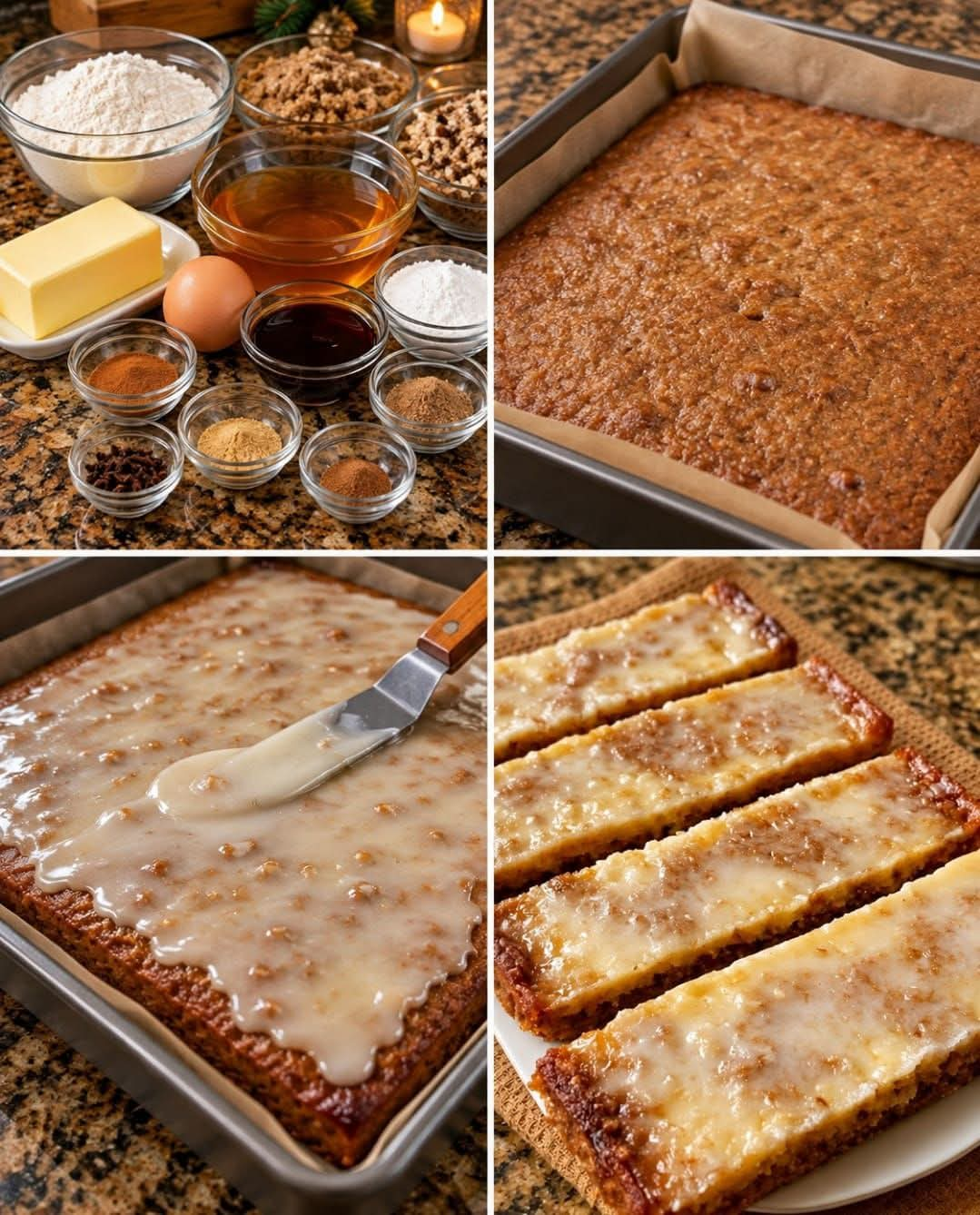
Traditional German Christmas Lebkuchen: A Taste of Nuremberg


Introduction
Some Christmas recipes are more than just sweet treats. They carry memories of childhood, family traditions, and the wonderful aromas that filled the kitchen during the holiday season.
Traditional German Christmas Lebkuchen is one of those special recipes. Inspired by the beloved gingerbread traditions of Nuremberg, Germany, these cookies are rich with warm spices, honey, nuts, and a distinctive flavor that becomes even more delicious as the days pass.
A mother who grew up in Nuremberg might prepare these cookies every year, carefully storing them away after baking to allow the flavors to deepen. The waiting would make Christmas even more exciting, knowing that a treasured family treat was resting until the perfect moment.
These cookies are wonderfully different from ordinary gingerbread. Depending on the variety, they can be soft and tender, filled with ground almonds or hazelnuts, and finished with a delicate sugar glaze or a coating of dark chocolate.
If you love traditional European Christmas baking, this homemade Lebkuchen recipe is a beautiful way to bring a little German holiday magic into your home.
Ingredients
Preparation: 30 minutes · Baking: 12–15 minutes · Resting: 1 week for best flavor · Makes approximately 24 cookies

For the Lebkuchen cookies
- 2 cups (200 g) ground almonds or hazelnuts
- 1 cup (125 g) all-purpose flour
- 3/4 cup (150 g) brown sugar
- 1/2 cup (170 g) honey
- 2 large eggs
- 1 teaspoon baking powder
- 2 teaspoons ground cinnamon
- 1/2 teaspoon ground cloves
- 1/2 teaspoon ground ginger
- 1/4 teaspoon ground nutmeg
- 1/4 teaspoon ground cardamom, optional
- 1 tablespoon finely grated orange zest
- 1 teaspoon vanilla extract
- 1/4 teaspoon salt
- 1/3 cup (50 g) finely chopped candied orange peel, optional
- 1/3 cup (50 g) finely chopped candied lemon peel, optional
For the simple sugar glaze
- 1 cup (120 g) powdered sugar
- 2–3 tablespoons water or lemon juice
For the chocolate coating (optional)
- 150 g dark chocolate
- 1 teaspoon neutral vegetable oil, optional, for a smoother finish
For decorating
- Whole almonds or hazelnuts, optional
- Additional candied citrus peel, optional
Traditional Lebkuchen recipes vary from family to family. Some use flour and honey, while others rely heavily on ground nuts and contain little or no flour.
Instructions
Step 1: Prepare the oven and baking trays
Preheat your oven to 350°F (175°C). Line two baking trays with parchment paper.
If you have traditional German baking wafers called Backoblaten, you can place the cookies on these instead. They help support the soft dough and make the finished cookies easier to handle, but parchment paper works well too.
Step 2: Mix the dry ingredients
In a large bowl, combine the ground almonds or hazelnuts, flour, baking powder, cinnamon, cloves, ginger, nutmeg, cardamom, and salt.
Stir everything together thoroughly so the spices are evenly distributed throughout the mixture.
The combination of cinnamon, cloves, and citrus gives these cookies their unmistakable holiday aroma.
Step 3: Prepare the honey mixture
In a separate bowl, whisk the eggs and brown sugar until the mixture becomes smooth and slightly lighter.
Add the honey, vanilla extract, and orange zest. Mix until everything is well combined.
For a more traditional flavor, use a fragrant honey that complements the spices without overpowering them.
Step 4: Combine the ingredients
Gradually add the dry ingredients to the honey mixture. Stir until a thick, sticky dough forms.
Fold in the chopped candied orange peel and candied lemon peel, if using.
The dough should be thick enough to hold its shape when spooned onto the tray. If it seems unusually loose, allow it to rest for 10–15 minutes before shaping.
Step 5: Shape the cookies
Using a tablespoon or small cookie scoop, place portions of dough onto the prepared baking trays, leaving approximately 2 inches between each cookie.
With slightly damp fingers or the back of a damp spoon, gently shape each portion into a rounded mound.
Traditional Lebkuchen can be fairly thick. Avoid flattening the dough too much because a thicker cookie is more likely to remain soft and tender in the center.
Step 6: Bake until just set
Bake for approximately 12–15 minutes, depending on the size of your cookies.
The edges should be lightly golden, and the centers should look set but still feel slightly soft. Do not wait for the cookies to become dark and crisp throughout.
Remove the trays from the oven and allow the cookies to cool for several minutes before transferring them to a wire rack.
They will firm up as they cool while retaining a pleasantly soft interior.
Step 7: Prepare the sugar glaze
Place the powdered sugar in a small bowl. Add the water or lemon juice a little at a time, stirring until a smooth, spreadable glaze forms.
Brush the glaze over the cooled cookies.
For chocolate-covered Lebkuchen, melt the dark chocolate gently in a heatproof bowl over simmering water or in short microwave intervals. Stir until smooth, then dip the cooled cookies or spread the chocolate over their tops.
Allow the glaze or chocolate to set completely before storing the cookies.
Step 8: Allow the flavors to develop
This is the most important part of the tradition.
Once the cookies and their coating are completely dry, place them in a clean, airtight food-storage container. Store them in a cool, dry place, following an appropriate storage method for the particular recipe.
Let the flavors develop for several days, ideally around one week. The spices, honey, nuts, and citrus become more harmonious, and the texture may soften further.
Always make sure the cookies have cooled completely before closing the container. If you notice condensation, discard any cookies showing signs of spoilage.
Methods for Perfect Lebkuchen


Method 1: The traditional honey-and-spice method
Honey is a defining ingredient in many traditional Lebkuchen recipes. It contributes sweetness, moisture, and a distinctive flavor that works beautifully with cinnamon, cloves, and citrus.
Mix the honey with the wet ingredients before incorporating the ground nuts and flour. This helps distribute the flavor throughout the dough.
Method 2: The nut-rich method
For a richer cookie, use ground almonds, ground hazelnuts, or a combination of both.
Almonds provide a delicate, slightly sweet flavor, while hazelnuts contribute a deeper, toasted character. For an even more aromatic result, lightly toast whole nuts, allow them to cool, and grind them finely.
Avoid grinding the nuts for too long, as they can release oil and turn into a paste.
Method 3: The soft-cookie method
The secret to soft Lebkuchen is avoiding overbaking.
Remove the cookies when their centers are just set. They should not be hard when they leave the oven. Allowing them to rest after baking gives their texture time to settle.
Method 4: The flavor-maturing method
Unlike many cookies that are best eaten immediately, traditional Lebkuchen often benefits from resting.
As the cookies sit, their spices become more rounded, and the moisture from the honey and other ingredients can redistribute throughout the cookie.
This is why some families bake their Christmas Lebkuchen well before the holiday. The waiting becomes part of the celebration.
Method 5: The chocolate and glaze method
For a classic bakery-style appearance, coat half the batch with chocolate and the other half with sugar glaze.
The chocolate adds a bittersweet contrast to the honey and spices, while the sugar glaze gives the cookies a delicate sweetness.
You can also leave a few plain and decorate them with whole almonds for a simple, traditional finish.
The History of Nuremberg Lebkuchen

Lebkuchen has a long history in Germany, with roots in medieval European baking traditions. One of the most famous varieties comes from Nuremberg, where the city’s position along historic trade routes helped make spices, honey, nuts, and other valuable ingredients available to bakers.
Over generations, Nuremberg developed a distinctive gingerbread tradition that became closely associated with Christmas markets and winter celebrations.
The name Lebkuchen refers to a family of spiced German baked goods rather than one single recipe. Some versions are firm and suitable for decorating, while others are soft, moist, and rich in ground nuts.
The particularly nut-rich variety known as Elisenlebkuchen is famous for its high proportion of nuts and relatively small amount of flour. Some traditional versions contain no flour at all.
Historically, these cookies were special because many of their ingredients were expensive or less common in everyday cooking. Honey provided sweetness, while spices such as cinnamon and cloves brought flavors associated with festive occasions.
Nuremberg’s Lebkuchen eventually became a celebrated regional specialty, enjoyed by families and visitors alike. Today, the cookies remain a familiar part of German Christmas baking.
Formation: What Makes Lebkuchen So Special?
The formation of Lebkuchen is different from that of ordinary sugar cookies.
- The ground nuts provide richness, tenderness, and a distinctive texture.
- The honey contributes moisture and a deep, floral sweetness.
- The warm spices create the characteristic Christmas aroma.
- The citrus peel introduces a bright note that balances the sweetness.
- The resting period allows the flavors to meld and the texture to develop.
- The glaze or chocolate coating provides a sweet finish and helps give the cookies their traditional appearance.
Unlike a typical butter cookie, this style of Lebkuchen is not built around creaming butter and sugar. Instead, its character comes from the balance of nuts, honey, spices, and citrus.
That combination is what makes each bite taste rich, fragrant, and unmistakably festive.
Tips for the Best Homemade German Lebkuchen
- Measure the nuts carefully. Too many nuts or too little flour can change the consistency of the dough.
- Use fresh spices. Ground spices lose their fragrance over time, so fresh spices make a noticeable difference.
- Do not overbake. A few extra minutes can turn a soft cookie into a dry one.
- Cool before glazing. Warm cookies can cause the glaze to run or the chocolate to lose its finish.
- Be patient. Allowing the flavors to mature is part of the traditional experience.
- Keep the cookies protected. Store them in an appropriate airtight container and check them regularly.
- Make them ahead for Christmas. Baking a few days in advance gives you time to prepare other holiday dishes while the flavors develop.
Serving Suggestions


These cookies are delicious served with a warm drink during the winter season.
- Serve them with black tea or herbal tea for an afternoon treat.
- Enjoy them with coffee after a holiday meal.
- Arrange them on a Christmas cookie platter alongside shortbread, butter cookies, and other gingerbread.
- Package them in decorative food-safe tins for homemade holiday gifts.
- Serve a few alongside sliced oranges or toasted nuts for a simple festive dessert.
For a traditional presentation, arrange the cookies on a plate and add a few whole almonds or pieces of candied orange peel as decoration.
Variations to Try
Almond Lebkuchen: Use ground almonds as the main nut for a delicate flavor.
Hazelnut Lebkuchen: Replace some or all of the almonds with ground hazelnuts for a richer, earthier taste.
Chocolate Lebkuchen: Dip the cooled cookies in dark chocolate and allow the coating to set before storing.
Orange Lebkuchen: Add extra orange zest and candied orange peel for a bright citrus flavor.
Extra-Spiced Lebkuchen: Increase the cinnamon slightly and add a small pinch of ground allspice for a deeper spice profile.
Flour-Light Lebkuchen: For a more traditional nut-rich texture, use a tested Elisenlebkuchen recipe designed for a very low flour content rather than simply removing flour from this recipe.
Conclusion
Traditional German Christmas Lebkuchen is more than a cookie. It is a reminder of the traditions that bring families together, the aromas that make a house feel like home, and the excitement of waiting for a special treat that appears only once a year.
The combination of honey, nuts, warming spices, and citrus makes every bite distinctive. Its flavor develops with time, making it a wonderful recipe to prepare ahead of Christmas.
Whether you grew up eating Lebkuchen in Germany or are discovering it for the first time, baking a batch at home is a lovely way to begin a new holiday tradition.
Prepare them with care, allow the flavors to deepen, and share them with the people who make your Christmas special.
For the Lovers of Traditional Christmas Baking
If you love old-fashioned family recipes, fragrant spices, homemade cookies, and the anticipation of Christmas, these German Lebkuchen deserve a place in your holiday kitchen.
They are perfect for people who appreciate recipes with history, recipes that improve with a little patience, and recipes that remind us of mothers and grandmothers who passed their favorite traditions from one generation to the next.
Sometimes, the sweetest part of a Christmas recipe is not just the first bite. It is the memory of the person who made it, the kitchen where it was prepared, and the special moment when the family finally gathered around to enjoy it.
Make a batch, let the flavors develop, and create a Christmas memory of your own.