
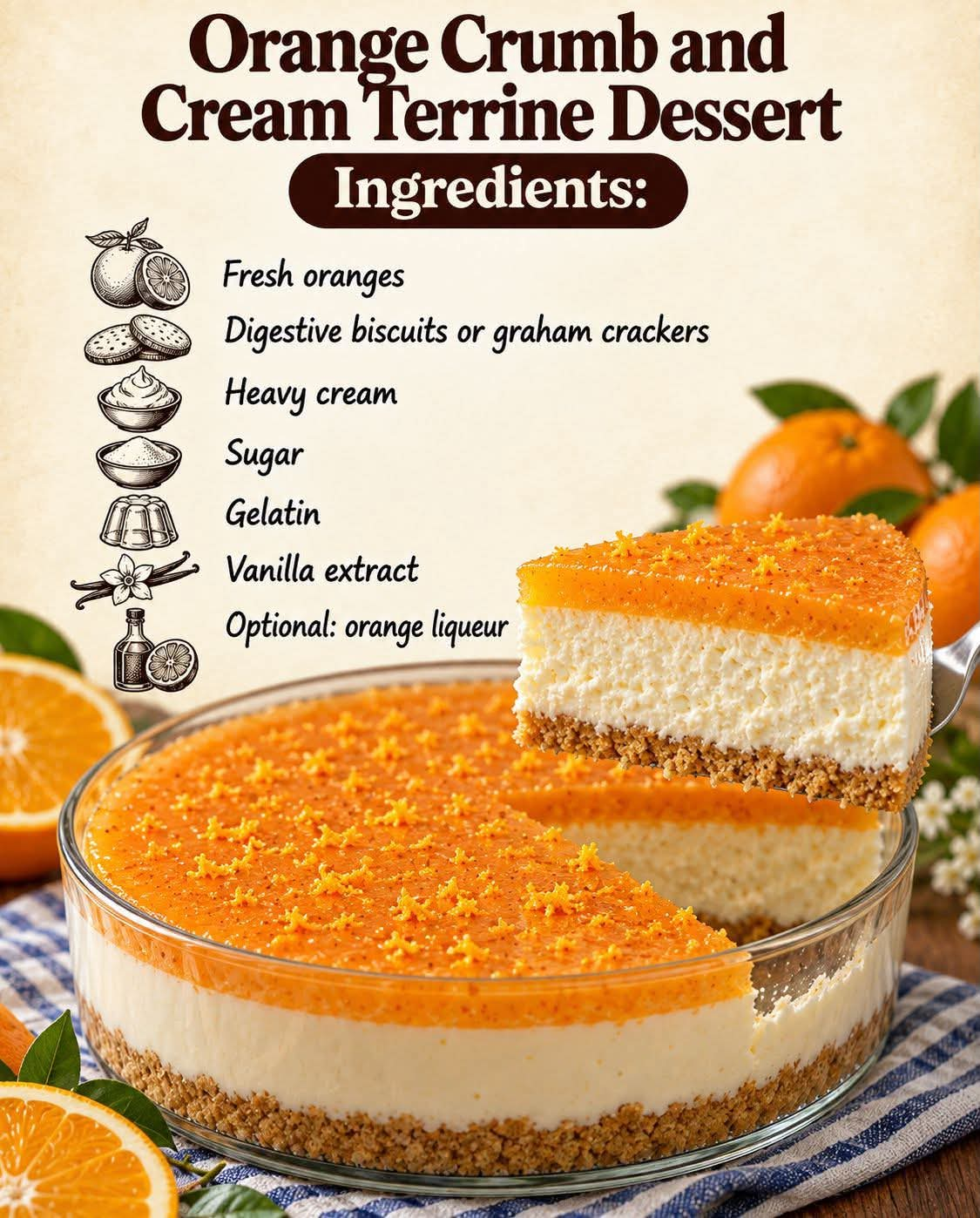
Citrus Sweet Treat
Introduction
There is something wonderfully refreshing about a homemade dessert with a bright citrus flavor. This Citrus Sweet Treat combines a soft, tender texture with the fresh taste of citrus, creating a dessert that feels light, fragrant, and comforting at the same time.
The citrus zest adds a beautiful aroma while the juice gives every bite a gentle tang that balances the sweetness. It is the kind of dessert that works beautifully with afternoon tea, coffee, family gatherings, holidays, or simply whenever you want something homemade and satisfying.
It is also an easy recipe to prepare with simple ingredients, making it a wonderful choice for both beginners and experienced home bakers.
Ingredients
For the Citrus Cake
- 2 cups all-purpose flour
- 1 1/2 teaspoons baking powder
- 1/2 teaspoon baking soda
- 1/4 teaspoon salt
- 1 cup granulated sugar
- 1/2 cup unsalted butter, softened
- 2 large eggs
- 1 teaspoon vanilla extract
- 1 tablespoon finely grated citrus zest
- 1/3 cup fresh citrus juice
- 1/2 cup buttermilk or plain yogurt
For the Citrus Glaze
- 1 cup powdered sugar
- 2 to 3 tablespoons fresh citrus juice
- 1 teaspoon finely grated citrus zest
Optional Garnish
- Thin strips of citrus zest
- A light dusting of powdered sugar
- Small citrus slices
Instructions
1. Prepare the Oven and Pan
Preheat the oven to 350°F (175°C).
Grease a 9-inch round cake pan or an 8-inch square baking pan. Line the bottom with parchment paper if desired. This will make removing the finished dessert much easier.
2. Combine the Dry Ingredients
In a medium bowl, whisk together the flour, baking powder, baking soda, and salt.
Set the mixture aside while you prepare the wet ingredients.
3. Cream the Butter and Sugar
Place the softened butter and granulated sugar into a large mixing bowl.
Beat until the mixture becomes light and fluffy. This usually takes several minutes with an electric mixer.
Creaming the butter properly helps create a tender texture and gives the finished cake a pleasant lightness.
4. Add the Eggs
Add the eggs one at a time, mixing well after each addition.
Add the vanilla extract and citrus zest. Mix until everything is evenly incorporated.
At this stage, the citrus aroma should already be noticeable.
5. Add the Citrus Juice and Buttermilk
Pour in the fresh citrus juice and add the buttermilk or plain yogurt.
Mix gently. The mixture may look slightly separated because of the citrus juice, but this is completely normal.
6. Combine Wet and Dry Ingredients
Gradually add the dry ingredients to the wet mixture.
Mix just until the flour disappears. Do not overmix the batter because excessive mixing can make the finished dessert dense rather than soft.
7. Bake
Pour the batter into the prepared pan and smooth the top.
Place it in the preheated oven and bake for approximately 30 to 38 minutes, or until a toothpick inserted into the center comes out clean or with a few moist crumbs.
Allow the cake to cool in the pan for about 10 minutes before transferring it to a cooling rack.
Method for the Citrus Glaze
While the cake is cooling, prepare the glaze.
Place the powdered sugar in a small bowl. Add the citrus juice one tablespoon at a time, stirring continuously.
Add the citrus zest and mix until smooth.
For a thicker glaze, use less juice. For a thinner drizzle, add a little more citrus juice.
Once the cake has cooled, drizzle the glaze generously over the top.
Allow the glaze to set for several minutes before slicing.
Formation and Texture
The formation of this dessert depends on several simple baking techniques.
The butter and sugar are creamed together to incorporate air into the mixture. The eggs help bind the ingredients and contribute richness, while the buttermilk or yogurt adds moisture and tenderness.
The combination of baking powder and baking soda helps the batter rise during baking. Citrus juice contributes acidity, which works especially well with the baking soda.
Fresh citrus zest is particularly important because much of the citrus aroma is found in the flavorful oils contained in the outer peel. When the zest is incorporated into the batter, it gives the dessert a much stronger citrus fragrance than juice alone.
The result is a tender crumb with a delicate citrus flavor and a sweet-tart glaze on top.
History of Citrus Desserts
Citrus has been used in sweet cooking for centuries. Lemons, oranges, limes, and other citrus fruits have long been valued not only for their juice but also for their aromatic peels.
As citrus fruits became more widely available, bakers began incorporating them into cakes, puddings, biscuits, pies, cookies, and sweet breads.
Citrus desserts became especially popular because the natural acidity of the fruit provides a refreshing contrast to sugar and butter. This balance makes citrus particularly suitable for rich desserts.
Over time, home bakers developed countless variations, using different citrus fruits and combinations of zest, juice, syrups, and glazes.
This recipe follows that same tradition: a simple homemade cake transformed by the fresh, fragrant character of citrus.
Tips for the Best Results
Use fresh citrus whenever possible. Freshly squeezed juice provides a cleaner and brighter flavor than bottled juice.
Zest the citrus before squeezing it. The fruit is easier to zest when it is whole and firm.
Avoid grating into the white pith beneath the colored skin because the pith can add bitterness.
Make sure the butter is softened rather than melted. Soft butter creams properly with the sugar and helps create the desired texture.
Do not overmix after adding the flour. Stop mixing as soon as the ingredients are combined.
Allow the cake to cool before adding the glaze. If the cake is too warm, the glaze will melt completely into the surface instead of forming a beautiful layer.
Serving Suggestions
Serve slices of the citrus cake with coffee, tea, or a glass of cold milk.
For a more elegant presentation, add a small amount of powdered sugar and a little freshly grated citrus zest just before serving.
You can also serve it with fresh berries, lightly sweetened whipped cream, or plain Greek yogurt.
For a stronger citrus flavor, drizzle a little additional fresh citrus juice over individual slices just before serving.
Variations
You can easily adapt this recipe according to the citrus fruit available in your kitchen.
For a lemon version, use lemon zest and lemon juice.
For an orange version, use fresh orange zest and juice.
For a lime version, replace the citrus ingredients with fresh lime.
You can also combine lemon and orange for a more complex citrus flavor.
For a richer dessert, add a small amount of finely chopped candied citrus peel to the batter.
Conclusion
This Citrus Sweet Treat is a simple homemade dessert that turns everyday ingredients into something special. Its soft texture, fragrant zest, and sweet citrus glaze create a balanced combination of sweetness and refreshing acidity.
It is easy enough for an ordinary afternoon but attractive enough for a family celebration or holiday table. The recipe is also flexible, allowing you to use lemons, oranges, limes, or a combination of your favorite citrus fruits.
For Citrus Dessert Lovers
Anyone who enjoys desserts that are sweet without being overwhelmingly heavy will appreciate this recipe. The citrus flavor gives every bite a refreshing quality, while the tender cake and delicate glaze provide the comforting sweetness you expect from a homemade treat.
It is the kind of dessert that can quickly become a family favorite and a recipe worth keeping for years to come.