
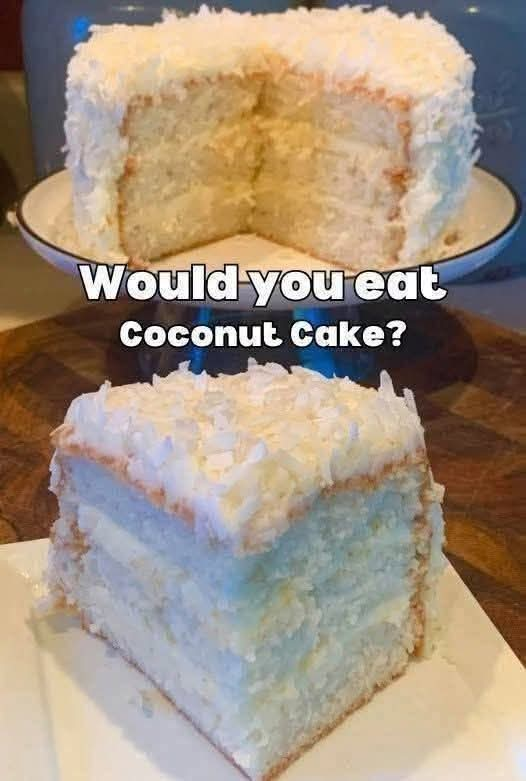
Classic Moist Butter Cake
Introduction
If this cake were sitting on your kitchen counter right now, the hardest part might not be deciding whether to have a slice. The real challenge would be stopping after the first one.
This classic moist butter cake is the kind of homemade dessert that feels comforting from the very first bite. It has a soft, tender crumb, a rich buttery flavor, a delicate vanilla aroma, and just enough sweetness to make it feel special without becoming overwhelming. It is simple enough for an ordinary afternoon but beautiful enough to serve when family and friends come over.
There is something wonderful about a traditional homemade cake. It does not need complicated decorations or unusual ingredients to become memorable. A good butter cake is all about balance: creamy butter, fragrant vanilla, fluffy eggs, and a perfectly baked golden exterior.
Serve it plain with a cup of coffee or tea, dust it with powdered sugar, or finish it with your favorite frosting. However you serve it, this is the kind of cake that tends to disappear quickly.
Ingredients
For the Cake
- 2 cups all-purpose flour
- 2 teaspoons baking powder
- 1/2 teaspoon salt
- 1 cup unsalted butter, softened
- 1 1/4 cups granulated sugar
- 4 large eggs, room temperature
- 2 teaspoons vanilla extract
- 3/4 cup whole milk, room temperature
- 2 tablespoons sour cream or plain Greek yogurt
Optional Simple Glaze
- 1 cup powdered sugar
- 2 to 3 tablespoons milk
- 1/2 teaspoon vanilla extract
Optional Decoration
- Powdered sugar
- Fresh berries
- Whipped cream
- Thin slices of strawberries or peaches
Instructions
1. Prepare the Pan
Preheat the oven to 350°F (175°C).
Grease a 9-inch round cake pan or a 9-inch square baking pan. Line the bottom with parchment paper if desired, then lightly grease the parchment as well.
Properly preparing the pan makes it much easier to remove the finished cake without damaging its delicate edges.
2. Mix the Dry Ingredients
In a medium bowl, whisk together the flour, baking powder, and salt.
Set the mixture aside while you prepare the butter mixture.
3. Cream the Butter and Sugar
Place the softened butter in a large mixing bowl. Beat it for several minutes until it becomes smooth and creamy.
Gradually add the sugar and continue beating until the mixture becomes noticeably lighter and fluffy.
This step is important because incorporating air into the butter helps create a lighter cake texture.
4. Add the Eggs
Add the eggs one at a time, beating well after each addition.
Scrape down the sides of the bowl occasionally to make sure everything is evenly incorporated.
Add the vanilla extract and mix until combined.
5. Combine the Batter
Add approximately one-third of the dry ingredients to the butter mixture and mix gently.
Add half of the milk and continue mixing.
Repeat with another portion of the dry ingredients, followed by the remaining milk, finishing with the last portion of the flour mixture.
Add the sour cream or Greek yogurt and mix just until the batter becomes smooth.
Do not overmix once the flour has been incorporated. Overmixing can develop too much gluten and make the cake heavier.
6. Fill the Pan
Transfer the batter to the prepared cake pan.
Use a spatula to spread the batter evenly and gently smooth the top.
Tap the pan lightly against the counter once or twice to release any large air pockets.
7. Bake
Place the cake in the preheated oven and bake for approximately 35 to 45 minutes.
The exact baking time will depend on the size and material of your pan.
The cake is ready when the top is golden, the center springs back gently when touched, and a toothpick inserted into the middle comes out clean or with a few moist crumbs.
Avoid opening the oven repeatedly during baking because sudden temperature changes can affect the rise.
8. Cool the Cake
Remove the cake from the oven and allow it to cool in the pan for about 10 to 15 minutes.
Carefully run a knife around the edges if necessary, then transfer the cake to a wire rack.
Allow it to cool completely before adding glaze or frosting.
Simple Glaze Method
If you want a simple finishing touch, whisk together the powdered sugar, milk, and vanilla until smooth.
The glaze should be thick enough to coat the cake while still being easy to drizzle.
Once the cake has cooled completely, drizzle the glaze over the top and allow it to set for several minutes before slicing.
For an even simpler presentation, skip the glaze and lightly dust the cooled cake with powdered sugar.
Method for the Perfect Texture
The secret to a beautiful butter cake is not complicated. It comes down to technique.
Use softened butter rather than melted butter. Soft butter can hold air when beaten with sugar, helping create a tender crumb.
Room-temperature eggs and milk also combine more easily with the butter mixture. Cold ingredients can cause the batter to become uneven or appear curdled.
When adding flour, mix only until everything is incorporated. A few small streaks of flour can be finished with a gentle final fold rather than vigorous mixing.
Finally, avoid overbaking. A cake can go from perfectly moist to dry surprisingly quickly. Begin checking it toward the earlier end of the suggested baking time.
History of Butter Cake
Butter cakes have a long tradition in home baking. Their basic structure developed from simple combinations of butter, sugar, eggs, and flour, with baking powder or other leavening agents eventually making cakes lighter and easier to prepare.
Traditional butter cakes became especially popular because they required ingredients that were common in many household kitchens. Over time, families developed their own versions, changing the amount of butter, sugar, milk, vanilla, spices, or other flavorings.
The beauty of this style of cake is its versatility. The same basic batter can become a simple afternoon cake, a birthday dessert, a layered celebration cake, or the foundation for fruit and cream desserts.
Formation of the Cake
The cake begins with a creamy butter-and-sugar mixture. As the butter is beaten, it traps tiny pockets of air. These pockets expand during baking and contribute to the cake’s tender texture.
The eggs provide structure and richness, while the flour forms the framework that holds everything together.
Baking powder creates additional lift, helping the batter rise in the oven. Milk contributes moisture, while sour cream or Greek yogurt gives the crumb extra tenderness.
As the cake bakes, the outside becomes golden while the center remains soft and moist. Once cooled, the flavors become even more noticeable.
Serving Ideas
This cake can be served in many different ways.
For a simple homemade dessert, serve it plain with coffee, tea, or a glass of milk.
For a more elegant presentation, add whipped cream and fresh berries.
For a summer version, serve slices with strawberries, peaches, or raspberries.
For a birthday-style cake, divide the batter between two smaller pans and sandwich the cooled layers with buttercream or whipped frosting.
You can also warm individual slices slightly and serve them with vanilla ice cream.
Storage
Store the cooled cake in an airtight container at room temperature for up to 3 days.
If your kitchen is particularly warm, refrigerate the cake, especially if it has been covered with whipped cream or another perishable topping.
For longer storage, wrap the unfrosted cake tightly and freeze it for up to several months. Thaw it completely before decorating and serving.
For Cake Lovers
This recipe is especially appealing to people who love traditional homemade desserts without complicated preparation.
It has the familiar flavor of a classic bakery-style butter cake while remaining simple enough to make at home.
Cake lovers can also customize it with lemon zest, almond extract, cinnamon, coconut, chopped nuts, chocolate chips, or fresh fruit.
The basic recipe provides a dependable starting point, while different toppings and flavor combinations can turn it into something completely new.
Conclusion
There is a reason simple homemade cakes remain favorites generation after generation. They are comforting, adaptable, and made for sharing.
This moist butter cake has everything you want in a classic dessert: a tender crumb, rich buttery flavor, fragrant vanilla, and a beautiful golden finish.
And if you really did find this cake sitting on your kitchen counter, there are three possible answers: one slice, a second slice, or taking the whole cake home.
Whichever one you choose, make sure you save a piece for later. A cake this soft and flavorful rarely lasts long.