
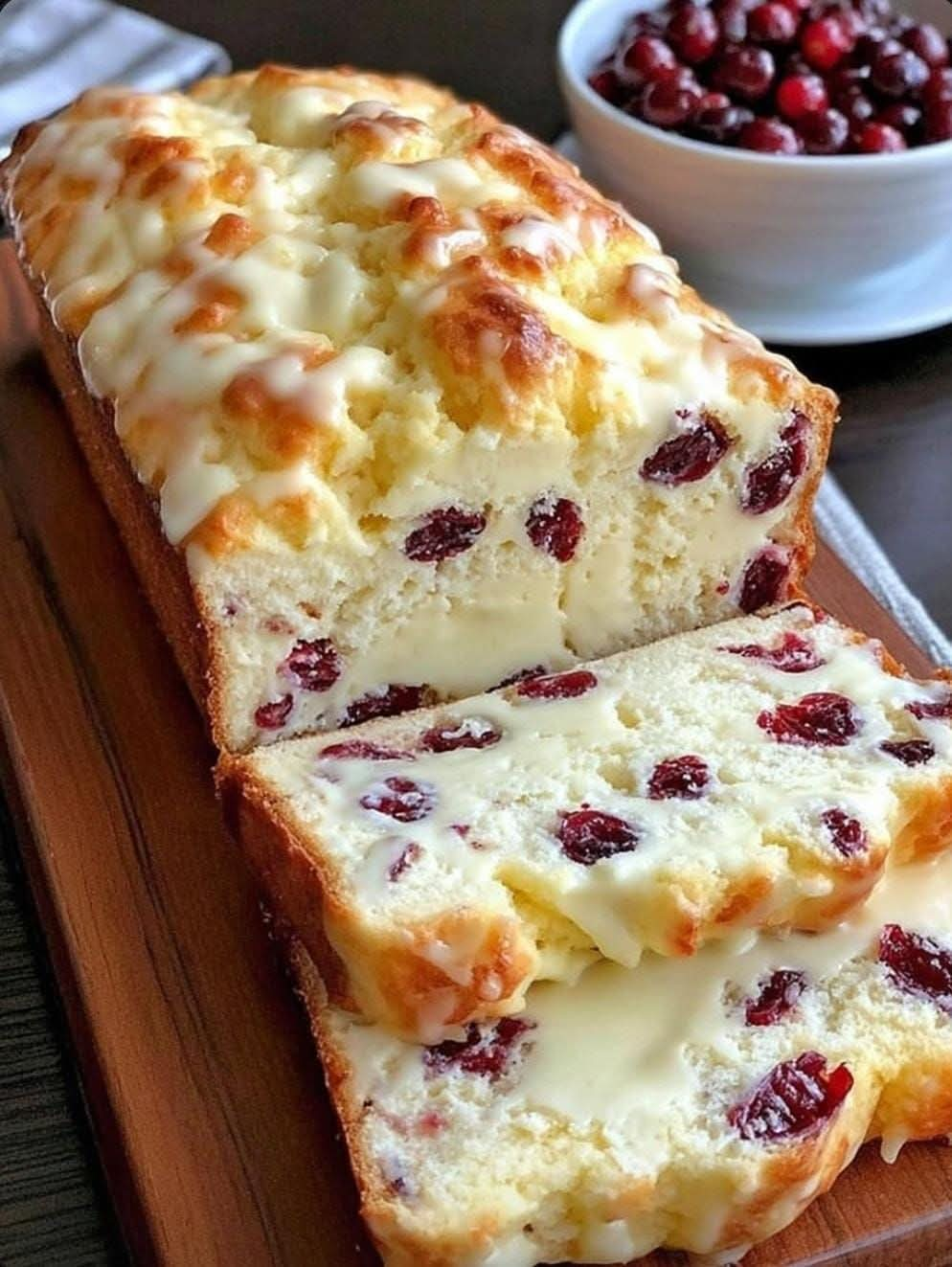
Homemade Sweet Cinnamon Swirl Bread: The Loaf Everyone Asks For
Introduction
There is something truly special about homemade bread. The wonderful aroma that fills the kitchen, the golden crust fresh from the oven, and the soft, tender inside make every slice feel like a little piece of home. This homemade sweet cinnamon swirl bread is one of those recipes that people remember long after the last slice has disappeared.
Imagine bringing a freshly baked loaf to your neighbor, only to receive a phone call five minutes later asking for the recipe. That is exactly the kind of reaction this delicious bread can inspire. With its buttery texture, gentle sweetness, and beautiful cinnamon-sugar swirl, it is perfect for breakfast, afternoon coffee, or a comforting evening snack.
This recipe uses simple pantry ingredients and straightforward baking techniques to create a loaf that looks beautiful and tastes even better. Serve it warm with butter, toast it for breakfast, or enjoy a slice straight from the loaf pan. Once you make it, you may find yourself baking an extra loaf to share with friends and family.
Ingredients
For the bread dough
- 3 cups all-purpose flour (375 g)
- 2 1/4 teaspoons active dry yeast (one standard packet)
- 1 cup warm milk (240 ml)
- 1/4 cup granulated sugar (50 g)
- 1 large egg, at room temperature
- 3 tablespoons unsalted butter, softened (42 g)
- 1/2 teaspoon salt
- 1 teaspoon vanilla extract
For the cinnamon-sugar filling
- 1/3 cup brown sugar, packed (67 g)
- 2 tablespoons granulated sugar
- 1 1/2 tablespoons ground cinnamon
- 2 tablespoons unsalted butter, softened
For the optional glaze
- 1/2 cup powdered sugar (60 g)
- 1–2 tablespoons milk
- 1/4 teaspoon vanilla extract
Instructions
Step 1: Prepare the yeast
Pour the warm milk into a large mixing bowl. The milk should feel comfortably warm, not hot. Stir in a teaspoon of the measured sugar and the active dry yeast.
Allow the mixture to stand for 5–10 minutes until it becomes foamy. This indicates that the yeast is active and ready to help the dough rise.
If the yeast does not foam, check its expiration date and the temperature of the milk before continuing.
Step 2: Make the dough
Add the remaining sugar, egg, softened butter, vanilla extract, and salt to the yeast mixture. Stir until everything is well combined.
Gradually add the flour, mixing until a soft dough forms. The dough should feel slightly tacky but should not be excessively sticky.
Transfer it to a lightly floured surface and knead for approximately 8–10 minutes, or use a stand mixer with a dough hook for about 5–7 minutes.
The finished dough should be smooth, elastic, and soft enough to stretch gently without immediately tearing.
Step 3: Let the dough rise
Place the dough in a lightly greased bowl and turn it once to coat the surface.
Cover the bowl with a clean kitchen towel or plastic wrap. Leave it in a warm, draft-free place for approximately 1–1 1/2 hours, or until it has doubled in size.
The rising time depends on the temperature of your kitchen, so judge the dough by its size rather than the clock alone.
Step 4: Prepare the cinnamon filling
In a small bowl, combine the brown sugar, granulated sugar, and ground cinnamon.
Stir thoroughly to distribute the cinnamon evenly throughout the sugar.
Keep the softened butter nearby so it will be easy to spread over the rolled-out dough.
Step 5: Shape the loaf
Once the dough has doubled in size, gently press it down to release excess air.
Place it on a lightly floured surface and roll it into a rectangle approximately 8 by 16 inches.
Spread the softened butter evenly over the dough, leaving a small border around the edges. Sprinkle the cinnamon-sugar mixture over the butter, distributing it evenly.
Starting from one short end, roll the dough into a snug log. Pinch the seam closed and tuck the ends underneath.
Place the shaped loaf seam-side down in a greased 9-by-5-inch loaf pan.
Step 6: Allow the second rise
Cover the pan loosely and let the dough rise for another 30–45 minutes, or until it looks puffy and rises slightly above the rim of the pan.
Avoid letting it overproof, as excessively risen dough can collapse during baking.
Meanwhile, preheat your oven to 350°F (175°C).
Step 7: Bake the bread
Place the loaf in the preheated oven and bake for 35–45 minutes.
The top should become golden brown, and the loaf should sound lightly hollow when tapped. If the top browns too quickly, cover it loosely with aluminum foil during the final part of baking.
For a more reliable check, the center of the loaf should reach approximately 190°F (88°C).
Remove the bread from the oven and allow it to rest in the pan for about 10 minutes before transferring it to a wire rack.
Step 8: Add the optional glaze
If you prefer a sweeter finish, whisk the powdered sugar, milk, and vanilla extract together in a small bowl.
Add the milk gradually until the glaze reaches a smooth, pourable consistency.
Once the bread has cooled slightly, drizzle the glaze over the top. Let it set before slicing.
For a simpler, old-fashioned presentation, skip the glaze and serve the bread with butter.
Method of Preparation
The secret to excellent homemade cinnamon swirl bread lies in three essential techniques: developing the dough properly, allowing enough rising time, and distributing the filling evenly.
First, kneading develops the gluten that gives the loaf its soft, elastic structure. A well-kneaded dough stretches more easily and holds the gas produced by the yeast.
Second, the first rise allows the dough to develop flavor and volume. The second rise gives the shaped loaf its final lightness before baking.
Finally, rolling the dough evenly and spreading the cinnamon filling across the surface helps create a beautiful spiral in every slice. Roll the dough snugly enough to form a neat swirl, but not so tightly that the filling is forced out or the dough cannot expand.
Allowing the bread to cool before slicing also matters. Cutting into a loaf while it is extremely hot can compress the soft interior and make the slices appear gummy.
The History of Homemade Sweet Bread
Sweetened breads have a long tradition in home kitchens throughout Europe and North America. Bakers have used ingredients such as milk, butter, eggs, sugar, and spices to transform everyday bread dough into something richer and more celebratory.
Cinnamon became a particularly popular addition to sweet baked goods because its warm aroma pairs beautifully with brown sugar and butter. Over time, cinnamon-filled breads became favorites for breakfast tables, holiday gatherings, coffee breaks, and homemade gifts.
Cinnamon swirl bread belongs to this broader tradition of enriched yeast breads. Although recipes vary from family to family, the basic idea remains the same: a soft loaf wrapped around a sweet, fragrant filling.
Today, homemade cinnamon bread continues to appeal to people who appreciate simple ingredients, comforting flavors, and the pleasure of sharing something made from scratch.
Formation and Texture of the Bread
The formation of this loaf is what makes it so attractive when sliced.


The outside develops a golden crust while the interior remains tender and moist. The cinnamon and brown sugar form a distinct spiral through the bread, giving each slice an attractive pattern.
The milk and butter contribute softness, while the egg helps enrich the dough. Yeast provides the lift needed for a light texture, and the flour creates the structure that holds everything together.
For the best appearance, roll the dough into an even rectangle and distribute the filling consistently. When slicing, use a sharp serrated knife and gentle sawing motions to preserve the swirl.
Tips for Perfect Homemade Bread
- Check your milk temperature: Milk that is too hot can damage the yeast. Aim for approximately 100–110°F (38–43°C) when activating active dry yeast.
- Measure flour carefully: Too much flour can produce a dense loaf. Weighing the flour gives the most consistent results.
- Use softened butter: Soft butter spreads easily without tearing the dough.
- Seal the roll: Pinch the seam firmly to help keep the loaf together during baking.
- Avoid adding too much flour: A slightly tacky dough generally produces a softer loaf.
- Cool before cutting: Let the bread cool sufficiently so the crumb can set.
- Store it properly: Keep the cooled loaf in an airtight container at room temperature for up to 3 days, or freeze individual slices for longer storage.
Serving Suggestions
This homemade bread is delicious in many different ways.
For breakfast: Toast a slice and spread it with butter, cream cheese, or your favorite nut butter.
With coffee or tea: Serve a warm slice alongside a cup of coffee or tea for a simple afternoon treat.
For dessert: Add a drizzle of vanilla glaze or serve the bread with fresh berries.
For a weekend brunch: Arrange thick slices on a serving platter with fruit, yogurt, and other breakfast favorites.
For French toast: Use day-old slices to make cinnamon bread French toast. Dip them in a mixture of eggs, milk, and vanilla, then cook in a buttered skillet until golden.
Variations to Try
Cinnamon Raisin Bread
Add 1/2 cup of raisins to the cinnamon filling. For a softer texture, soak the raisins briefly in warm water, then drain and dry them thoroughly before using.
Brown Sugar Butter Bread
Replace the cinnamon filling with a mixture of brown sugar and softened butter for a milder caramel-like sweetness.
Apple Cinnamon Bread
Finely dice a small apple and cook it briefly until slightly softened. Cool completely, then add a modest amount to the filling. Avoid using a wet filling, which can make the center gummy.
Nutty Cinnamon Bread
Add 1/3 cup of finely chopped pecans or walnuts to the filling for extra texture and a pleasant nutty flavor.
Simple Vanilla Bread
Skip the cinnamon filling and bake the enriched dough as a plain sweet loaf. It is excellent toasted and served with butter or fruit preserves.
Frequently Asked Questions
Can I prepare the dough ahead of time?
Yes. After kneading, place the covered dough in the refrigerator overnight. The next day, let it warm slightly if needed, shape it, allow it to rise until puffy, and bake as directed.
Why did my bread turn out dense?
Common causes include inactive yeast, insufficient kneading, too much flour, or inadequate rising time. Make sure the dough has expanded noticeably before baking.
How do I keep the cinnamon swirl from separating?
Roll the dough evenly, avoid excessive filling, and leave a small border around the edges. Roll snugly without compressing the dough too tightly.
Can I freeze this bread?
Yes. Cool the loaf completely, slice it, and place the slices in a freezer-safe bag. Freeze for up to 3 months for best quality. Thaw individual slices or toast them directly from frozen.
Can I make this recipe without the glaze?
Absolutely. The loaf is already sweet from the dough and cinnamon filling, so the glaze is entirely optional.
Conclusion
Homemade sweet cinnamon swirl bread is the kind of recipe that turns ordinary ingredients into something memorable. Its soft interior, golden crust, and fragrant cinnamon filling make it perfect for sharing with neighbors, serving to family, or enjoying during a quiet morning at home.
The best part is that you do not need complicated equipment or expensive ingredients to make a beautiful loaf. With patience, careful shaping, and a little attention to the rising process, you can bake bread that looks inviting and tastes wonderful.
Bake one loaf for your family and another to share. Just be prepared for the possibility that someone will call shortly afterward asking how you made it.
For the Love of Homemade Bread
Some recipes become favorites not because they are fancy, but because they bring people together. A homemade loaf offered to a neighbor, a slice served with afternoon tea, or warm bread shared around the breakfast table can turn a simple baking day into a lasting memory.
This cinnamon swirl bread celebrates that tradition of generosity. Every slice offers sweetness, warmth, and the satisfaction of making something with your own hands.
Recipe note: This is a complete cinnamon swirl bread recipe created to match the story you shared. Since the original post did not specify the bread’s name or ingredients, the recipe above is a suggested version rather than a verified transcription of the original.