
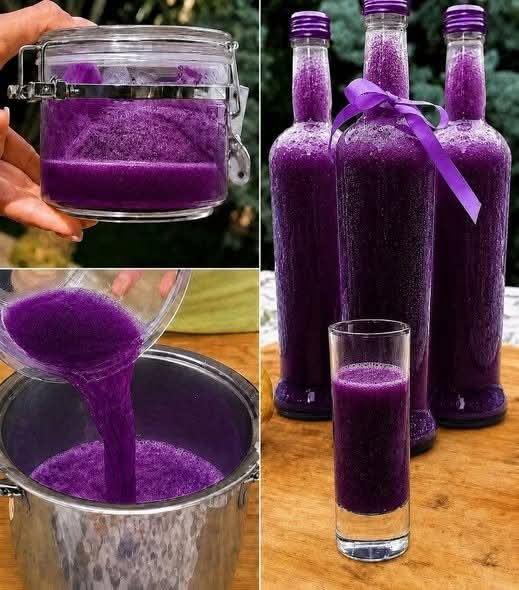
Natural Anti-Inflammatory Ginger and Turmeric Drink for Muscle and Joint Comfort
Introduction
For generations, people have turned to traditional kitchen ingredients such as ginger, turmeric, cinnamon, and lemon to prepare comforting drinks for everyday wellness. These ingredients are popular in traditional remedies because they have distinctive flavors and contain natural compounds that have been studied for their potential anti-inflammatory properties.
Although some people call these preparations “natural morphine,” that description is misleading. No food or homemade drink works like morphine, and this recipe cannot cure rheumatism or guarantee relief from muscle and joint pain. However, a warm ginger and turmeric drink can be a soothing addition to a balanced wellness routine.
Ingredients
Preparation time: 5 minutes · Cooking time: 10 minutes · Servings: 2 cups

- 2 cups water
- 1 tablespoon freshly grated ginger
- 1/2 teaspoon ground turmeric or 1 teaspoon freshly grated turmeric
- 1 small cinnamon stick or 1/4 teaspoon ground cinnamon
- 1 tablespoon fresh lemon juice
- 1 teaspoon honey, optional
- A tiny pinch of black pepper, optional
Instructions
1. Prepare the ingredients. Wash the ginger thoroughly and grate it finely. If using fresh turmeric, peel and grate it carefully because it can stain surfaces and clothing.
2. Heat the water. Pour two cups of water into a small saucepan and bring it to a gentle boil.
3. Add the ginger and turmeric. Stir in the ginger, turmeric, and cinnamon. Reduce the heat and allow the mixture to simmer gently for 8–10 minutes.
4. Allow the flavors to develop. Remove the saucepan from the heat and let the drink stand for another two minutes.
5. Strain the drink. Pour the liquid through a fine strainer into two cups.
6. Add the finishing ingredients. Stir in the lemon juice and, if desired, a small amount of honey. Add a tiny pinch of black pepper if you like.
7. Serve warm. Sip slowly while the drink is comfortably warm, not excessively hot.
Method of Preparation
The key to this recipe is gentle simmering. Heating the ginger and turmeric in water helps extract some of their water-soluble compounds and releases their characteristic aromas.
Adding lemon juice after simmering preserves its fresh flavor. Honey is optional and is mainly used to soften the sharpness of the ginger and lemon.
For a milder drink, use half the amount of ginger. For a stronger flavor, allow the mixture to steep for a few extra minutes rather than adding excessive quantities of spices.
History of Ginger and Turmeric in Traditional Wellness

Ginger and turmeric have long histories in traditional food preparation and wellness practices across parts of Asia, Africa, and the Middle East.
Ginger has traditionally been used in drinks and meals for digestive comfort and warming sensations. Turmeric has been valued for its color, flavor, and curcumin content. Cinnamon and lemon have also been common additions to homemade beverages.
Today, researchers continue to study compounds found in these ingredients, particularly curcumin in turmeric and gingerols in ginger. Some research suggests potential benefits for certain inflammatory conditions, but the evidence varies, and a kitchen beverage is not equivalent to a standardized supplement or a medical treatment.
Formation: Why These Ingredients Are Used Together
The ingredients contribute different qualities to the drink:
- Ginger: Contains gingerols and related compounds being studied for anti-inflammatory effects.
- Turmeric: Contains curcumin, a compound investigated for its possible role in inflammation and joint symptoms.
- Cinnamon: Adds warmth and flavor without requiring much sweetener.
- Lemon: Provides a refreshing citrus flavor and vitamin C.
- Honey: Adds sweetness and makes the drink more pleasant for those who dislike strong spices.
- Black pepper: Contains piperine, which can increase curcumin absorption under certain conditions, but may also affect medication absorption.
Combining these ingredients makes a flavorful herbal beverage, but it does not establish that the drink will relieve pain or treat rheumatism.
How to Include This Drink in Your Routine
- Enjoy a cup occasionally as a warm, caffeine-free beverage.
- Drink enough water throughout the day.
- Eat balanced meals containing vegetables, fruit, protein, and healthy fats.
- Incorporate gentle movement and stretching as tolerated.
- Seek medical advice if joint or muscle pain persists, worsens, or interferes with daily activities.
Important safety information: Ginger and turmeric can cause stomach irritation in some people. Concentrated amounts may interact with medicines, including blood thinners. Ask a healthcare professional before using medicinal quantities if you take regular medication, have gallbladder problems, or are pregnant. Do not use this drink instead of prescribed treatment.
Sudden severe joint pain, a hot swollen joint, fever with joint pain, or unexplained muscle weakness warrants prompt medical assessment.
Variations to Try

1. Ginger and Lemon Tea
Use water, fresh ginger, and lemon juice. This simple version has a clean, refreshing flavor.

2. Golden Turmeric Drink
Combine turmeric, cinnamon, water, and a little honey for a warm, gently spiced beverage.

3. Ginger and Mint Infusion
Add a few fresh mint leaves after simmering the ginger for a lighter, fresher aroma.
Conclusion
This homemade ginger and turmeric drink is easy to prepare, uses familiar kitchen ingredients, and can bring a comforting moment to your daily routine. While ginger and turmeric contain compounds worth studying for their possible effects on inflammation, the drink should not be described as natural morphine or as a proven cure for muscle, joint, or rheumatic pain.
The best approach is to enjoy it for its flavor while seeking appropriate care for ongoing pain.
For Lovers of Homemade Natural Drinks
If you enjoy traditional recipes made with simple ingredients, this ginger and turmeric infusion is worth keeping in your kitchen collection. You can adjust the spices, add lemon for freshness, or leave out the honey to reduce added sugar.
Thank you for enjoying and sharing traditional recipes. Your interest helps keep family kitchen traditions alive while encouraging a thoughtful, evidence-informed approach to wellness.