
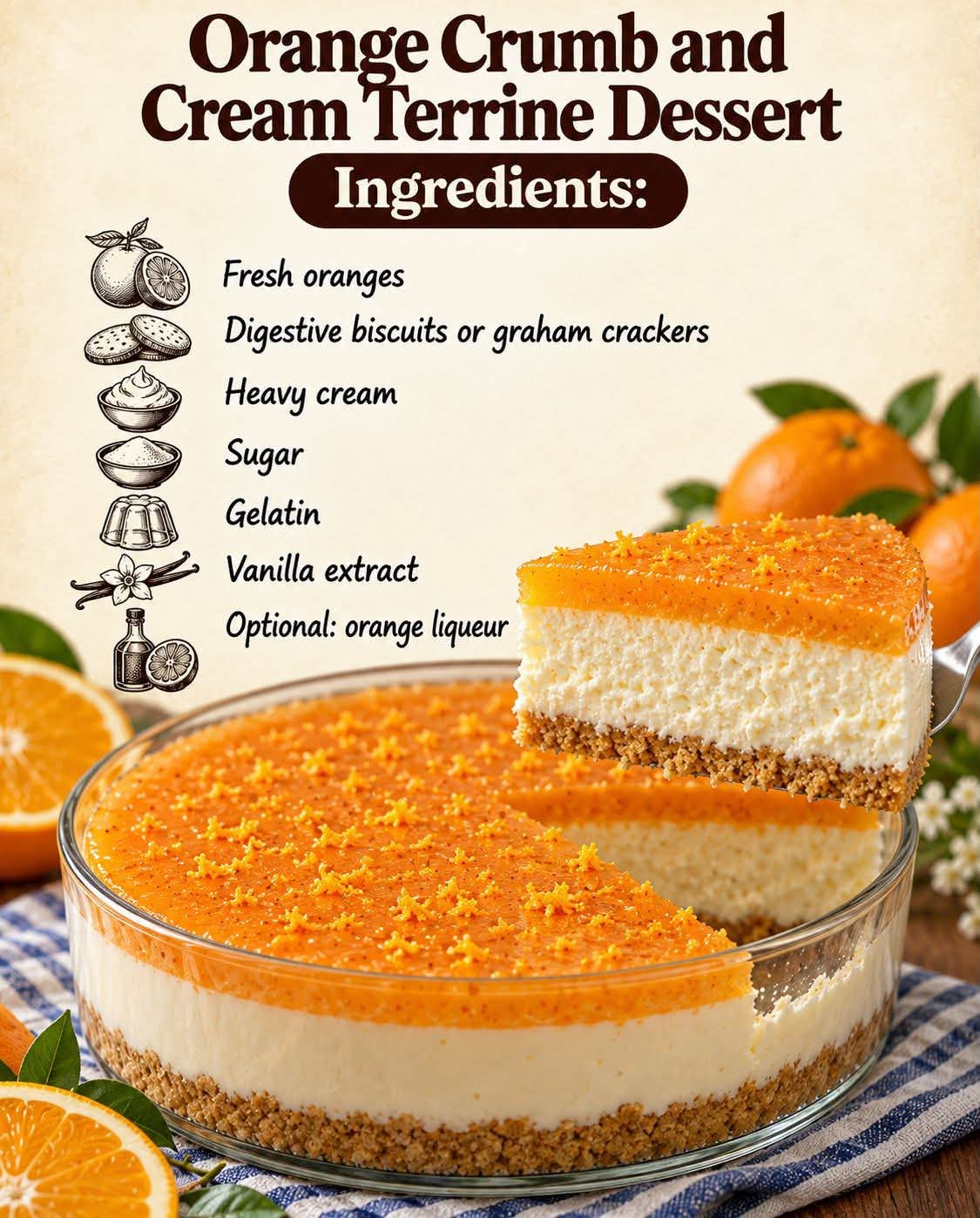
Old-Fashioned Citrus Sweet Treat


This refreshing citrus sweet treat is the kind of homemade dessert that makes everyone reach for another bite. With its sweet, buttery flavor and bright citrus twist, every mouthful delivers a wonderful balance of sweetness and tanginess. It is perfect for family gatherings, afternoon coffee, holiday dessert tables, or simply treating yourself to something special.
The original post does not specify the exact dessert or ingredient list, so this is a complete lemon-orange citrus cake recipe inspired by the description.
Preparation: 20 minutes · Baking: 35–45 minutes · Servings: 8–10
Introduction
There is something special about a homemade dessert filled with fresh citrus flavor. The aroma of lemon and orange zest drifting through the kitchen brings warmth and comfort, making even an ordinary afternoon feel memorable.
This citrus sweet treat combines a soft, tender cake with the refreshing taste of lemon and orange. Butter adds richness, sugar provides sweetness, and fresh citrus juice gives the dessert its distinctive tangy flavor. A light citrus glaze adds an extra touch of sweetness and makes every slice even more delicious.
Whether you are baking for your family, preparing a dessert for guests, or looking for a new recipe to share with friends, this cake is simple enough for everyday baking and elegant enough for special occasions.
Ingredients

For the citrus cake
- 2 cups all-purpose flour
- 1 cup granulated sugar
- ½ cup unsalted butter, softened
- 2 large eggs, at room temperature
- ½ cup milk
- ¼ cup fresh orange juice
- 2 tablespoons fresh lemon juice
- 1 tablespoon finely grated orange zest
- 1 teaspoon finely grated lemon zest
- 2 teaspoons baking powder
- ¼ teaspoon salt
- 1 teaspoon vanilla extract
For the citrus glaze
- 1 cup powdered sugar
- 1–2 tablespoons fresh lemon or orange juice
- ½ teaspoon finely grated citrus zest, optional
Optional toppings
- Thin slices of lemon or orange
- A little extra powdered sugar
- Finely grated orange zest
- Fresh berries for serving
Instructions
Step 1: Prepare the oven and baking pan
Preheat your oven to 350°F (175°C). Grease an 8-inch or 9-inch round cake pan, or line it with parchment paper.
Make sure the butter and eggs are at room temperature. This helps the ingredients combine smoothly and produces a more even cake texture.
Step 2: Mix the dry ingredients
In a medium bowl, whisk together the flour, baking powder, and salt.
Mixing these ingredients separately distributes the baking powder throughout the flour, helping the cake rise evenly during baking.
Set the bowl aside while you prepare the wet ingredients.
Step 3: Cream the butter and sugar
In a large mixing bowl, beat the softened butter and granulated sugar for approximately 3–4 minutes, until the mixture becomes pale and fluffy.
This step incorporates air into the batter, helping create a lighter crumb.
Add the eggs one at a time, beating well after each addition. Stir in the vanilla extract, lemon zest, and orange zest.
The fresh citrus zest releases fragrant natural oils that give the cake a wonderful aroma.
Step 4: Add the citrus juices and milk
In a small bowl, combine the milk, orange juice, and lemon juice.
Add the dry ingredients to the butter mixture in two or three additions, alternating with the milk and citrus mixture. Begin and finish with the dry ingredients.
Mix gently until the batter is smooth and no dry streaks of flour remain. Avoid overmixing, as this can make the cake dense.
Step 5: Fill the pan
Pour the batter into the prepared cake pan and smooth the top with a spatula.
Gently tap the pan against the counter once or twice to release large air pockets.
Step 6: Bake until golden
Place the cake in the preheated oven and bake for approximately 35–45 minutes.
The cake is ready when the top is lightly golden, the center springs back when gently touched, and a toothpick inserted into the middle comes out clean or with a few moist crumbs.
If the top browns too quickly, loosely cover it with aluminum foil for the remaining baking time.
Step 7: Cool the cake
Remove the cake from the oven and allow it to rest in the pan for 10–15 minutes.
Carefully transfer it to a wire rack and let it cool completely before adding the glaze. Glazing a hot cake can cause the icing to melt and run off.
Step 8: Prepare the citrus glaze
Place the powdered sugar in a small bowl. Add one tablespoon of lemon or orange juice and whisk until smooth.
Add a little more juice, a few drops at a time, until the glaze reaches a thick but pourable consistency.
For a stronger citrus flavor, mix in a small amount of finely grated zest.
Step 9: Decorate and serve
Drizzle the glaze over the cooled cake, allowing it to flow naturally down the sides.
Finish with a little extra orange zest or a few thin citrus slices if desired. Let the glaze set for approximately 10–15 minutes before slicing.
Serve with tea, coffee, or a glass of cold milk.
Methods for the Best Results

1. Use fresh citrus
Freshly squeezed lemon and orange juice give the cake a brighter flavor than bottled juice. Grate only the colored outer peel, avoiding the bitter white pith.

2. Cream the butter properly
Beat the butter and sugar until light and fluffy. This small but important step helps produce a tender, soft cake.

3. Avoid overbaking
Begin checking the cake at around 35 minutes. Removing it once it is fully baked helps preserve moisture and prevents dry edges.

4. Adjust the glaze
Use lemon juice for a tangier finish or orange juice for a gentler sweetness. Add the juice gradually so the glaze does not become too thin.
The History of Citrus Desserts
Citrus fruits have been used in cooking and baking for centuries. Lemons and oranges became prized ingredients because they brought fragrance, acidity, and freshness to both sweet and savory dishes.
As sugar became more widely available, home cooks began incorporating citrus juice and zest into cakes, puddings, biscuits, pastries, and sweet sauces. Lemon cakes became especially popular in many European and American baking traditions, while orange cakes offered a milder, sweeter alternative.
Homemade citrus desserts remain popular because they use familiar pantry ingredients while delivering a distinctive flavor. Although this particular cake is a modern recipe inspired by traditional home baking, its combination of butter, sugar, flour, and fresh citrus reflects a long-standing love of simple homemade sweets.
Formation and Texture
The secret to this dessert is the balance between richness, sweetness, and acidity.
The butter and eggs create structure and tenderness, while the flour gives the cake its shape. Baking powder produces a gentle rise, and the milk helps keep the crumb soft. Lemon and orange juice provide freshness, while their zest contributes concentrated citrus aroma.
As the cake bakes, the outside develops a delicate golden crust while the center remains soft and moist. Once cooled, the citrus glaze forms a thin, sweet layer that complements the tangy flavor of the cake.
The result is a dessert that feels light and refreshing without losing the comforting quality of traditional homemade baking.
Variations to Try
- Lemon-only cake: Replace the orange juice with additional lemon juice and use more lemon zest for a sharper citrus flavor.
- Orange-glazed cake: Use orange juice in the glaze and finish with fresh orange zest.
- Citrus loaf cake: Bake the batter in a greased 9-by-5-inch loaf pan, allowing additional baking time as needed.
- Berry citrus cake: Fold ½ cup of fresh blueberries into the batter before baking.
- Powdered sugar finish: Skip the glaze and dust the cooled cake lightly with powdered sugar for a simpler presentation.
- Extra-moist citrus cake: Brush a small amount of fresh orange juice mixed with sugar over the warm cake before allowing it to cool.
Serving Suggestions
This citrus sweet treat is delicious on its own, but it also pairs beautifully with other simple accompaniments.
Serve each slice with fresh strawberries, raspberries, or blueberries for a fruity contrast. For a richer dessert, add a spoonful of whipped cream or vanilla ice cream. If you prefer a simple afternoon snack, enjoy a slice with black tea or freshly brewed coffee.
For celebrations, arrange the slices on a serving platter and garnish with thin orange slices and a little grated lemon zest.
Storage Instructions
- At room temperature: Store the uncut or sliced cake in an airtight container for up to 2 days in a cool environment.
- In the refrigerator: Keep the glazed cake covered for up to 5 days. Allow slices to sit briefly at room temperature before serving for the best texture.
- In the freezer: Freeze individual, unglazed slices in airtight wrapping for up to 2–3 months. Thaw in the refrigerator or at room temperature, then glaze before serving.
Conclusion
This old-fashioned citrus sweet treat is a wonderful reminder that homemade desserts do not need complicated ingredients or elaborate techniques to taste special. The soft cake, fragrant lemon and orange zest, and sweet citrus glaze come together to create a dessert that is comforting, refreshing, and easy to share.
Bake it for a weekend family gathering, bring it to a potluck, or prepare it simply because you are craving something sweet. Once you taste the combination of buttery cake and bright citrus flavor, it may become a recipe you return to again and again.
For Citrus Dessert Lovers
If you love desserts that combine sweetness with a little tang, this cake is a lovely addition to your recipe collection. It is easy to customize, beautiful to serve, and delicious with a warm drink.
A little question for fellow dessert lovers: Would you choose the lemon glaze for a tangier finish or the orange glaze for a sweeter, more delicate flavor?
Either way, every slice brings a little sunshine to the table.