
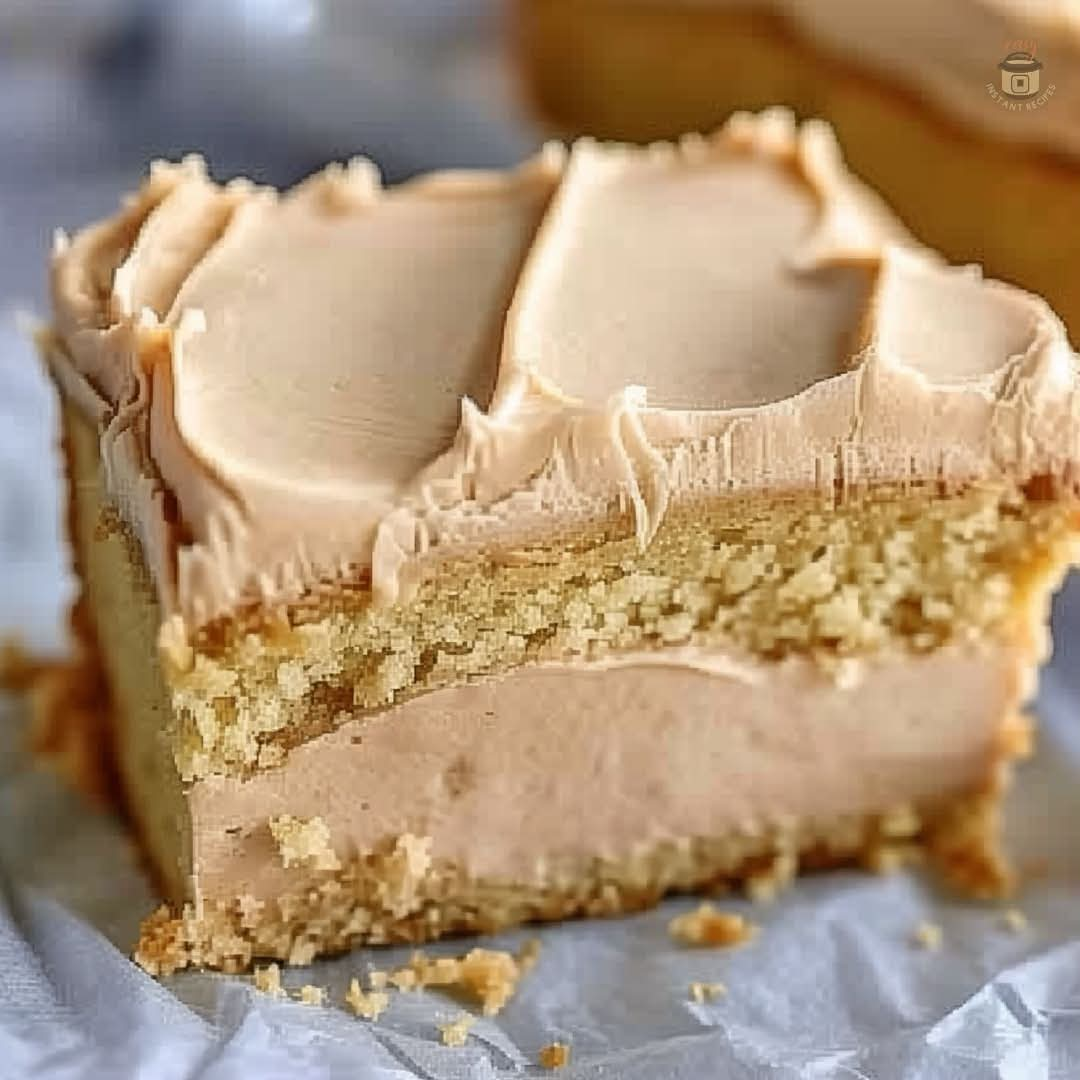
Peanut Butter Sheet Cake with Creamy Peanut Butter Frosting

Introduction
If you love the rich, comforting taste of peanut butter, this Peanut Butter Sheet Cake with Creamy Peanut Butter Frosting is a dessert you absolutely need to try. Soft, tender, buttery, and filled with delicious peanut butter flavor, this homemade cake is the perfect treat for family gatherings, birthday celebrations, potlucks, holidays, or a simple weekend dessert.
What makes this cake so special is its wonderful texture. The cake is baked in a large rectangular pan, allowing it to cook evenly and making it easy to cut into generous squares for sharing. The peanut butter adds richness and moisture to the cake, while the creamy frosting creates a smooth, sweet topping that melts beautifully into every bite.
This is the kind of old-fashioned dessert that brings everyone to the kitchen before the cake has even finished cooling. The combination of roasted peanut flavor, soft cake, and fluffy frosting makes it a favorite for peanut butter lovers of all ages.
Best of all, this recipe uses simple ingredients that you may already have in your pantry. You do not need complicated decorating techniques or special baking equipment. Just prepare the batter, bake the cake, whip up the frosting, and enjoy a delicious homemade dessert.
Ingredients
Preparation time: 20 minutes Cooking time: 20–25 minutes Cooling time: 45–60 minutes Servings: 15–20 squares
For the peanut butter sheet cake
- 2 cups (250 g) all-purpose flour
- 2 cups (400 g) granulated sugar
- 1 teaspoon baking soda
- 1/2 teaspoon salt
- 1/2 cup (115 g) unsalted butter
- 3/4 cup (190 g) creamy peanut butter
- 1 cup (240 ml) water
- 1/2 cup (120 ml) buttermilk
- 2 large eggs
- 1 teaspoon vanilla extract
For the creamy peanut butter frosting
- 1/2 cup (115 g) unsalted butter, softened
- 3/4 cup (190 g) creamy peanut butter
- 3 cups (360 g) powdered sugar, sifted
- 1/3 cup (80 ml) milk, plus more if needed
- 1 teaspoon vanilla extract
- A small pinch of salt, optional
Optional toppings
- 1/2 cup chopped roasted peanuts
- 1/4 cup mini chocolate chips
- A light drizzle of melted chocolate
- A small sprinkle of flaky salt
These toppings are optional. The cake is delicious with just its smooth peanut butter frosting.
Instructions
Step 1: Prepare the baking pan
Preheat your oven to 350°F (175°C).
Grease a 13-by-18-inch rimmed sheet pan or a similar large rectangular baking pan. You can also line the bottom with parchment paper to make removing and serving the cake easier.
Measure all your ingredients before beginning. Allow the eggs and buttermilk to come to room temperature for a smoother batter.
Step 2: Combine the dry ingredients
In a large mixing bowl, whisk together the flour, granulated sugar, baking soda, and salt.
Mix thoroughly to distribute the baking soda evenly throughout the flour. This helps the cake rise consistently and creates a tender crumb.
Set the bowl aside while you prepare the peanut butter mixture.
Step 3: Heat the butter and peanut butter
Place the butter, peanut butter, and water in a medium saucepan.
Heat over medium heat, stirring continuously until the butter and peanut butter melt together into a smooth mixture. Do not allow the mixture to boil vigorously.
Once everything is combined, remove the saucepan from the heat and let it cool for a few minutes.
This warm mixture helps distribute the peanut butter flavor throughout the cake, giving it a rich, moist texture.
Step 4: Prepare the cake batter
Pour the warm peanut butter mixture into the bowl of dry ingredients.
Stir gently until the ingredients are mostly combined.
In a separate bowl, whisk together the buttermilk, eggs, and vanilla extract. Make sure the peanut butter mixture is warm rather than hot before adding the egg mixture.
Pour the wet ingredients into the batter and stir until smooth. Scrape down the sides of the bowl to ensure that no dry flour remains.
Avoid overmixing. Stop as soon as the batter is evenly combined to help keep the cake soft and tender.
The batter should be relatively thin compared with a traditional butter cake. This is normal for this style of sheet cake.
Step 5: Bake the cake
Pour the batter into the prepared pan and spread it evenly into the corners.
Place the pan in the preheated oven and bake for approximately 20–25 minutes.
Begin checking for doneness around the 20-minute mark. Insert a toothpick into the center of the cake. If it comes out clean or with a few moist crumbs, the cake is ready.
The surface should look set and lightly golden, and the center should spring back gently when touched.
Avoid overbaking, as this can make the cake dry.
Remove the cake from the oven and place the pan on a wire rack. Allow it to cool completely before adding the frosting.
Step 6: Make the creamy peanut butter frosting
While the cake cools, prepare the frosting.
In a large mixing bowl, beat the softened butter and peanut butter together until smooth and creamy. This usually takes about 2–3 minutes with an electric mixer.
Add the powdered sugar gradually, mixing on low speed at first to prevent it from scattering.
Pour in the vanilla extract and most of the milk. Beat until the frosting becomes fluffy and spreadable.
If the frosting is too thick, add more milk one tablespoon at a time. If it is too thin, add a little more powdered sugar.
Taste the frosting and add a small pinch of salt if you want to balance the sweetness and emphasize the peanut butter flavor.
Continue beating for another minute until the frosting is light, smooth, and creamy.
Step 7: Frost the cooled cake
Make sure the cake has cooled completely before frosting. If it is still warm, the frosting may melt and become oily.
Using a spatula, spread the peanut butter frosting evenly over the surface of the cake.
For a homemade, rustic appearance, create soft swirls with the back of a spoon or spatula.
If desired, sprinkle chopped roasted peanuts over the frosting. You can also add mini chocolate chips or a thin drizzle of melted chocolate for an extra-special finish.
Step 8: Slice and serve
Allow the frosting to settle for approximately 10–15 minutes before cutting the cake.
Use a sharp knife to cut the cake into squares. Wipe the knife between cuts for neat, attractive pieces.
Serve at room temperature with a glass of cold milk, a cup of coffee, or hot tea.
Each piece should have a soft, moist crumb and a generous layer of creamy peanut butter frosting.
Methods for making the perfect peanut butter sheet cake
1. The warm-mixture method
Heating the butter, peanut butter, and water before combining them with the dry ingredients helps create the characteristic texture of this sheet cake. It also makes it easier to distribute the peanut butter evenly.
Allow the mixture to cool slightly before adding the eggs so they do not cook prematurely.
2. The gentle-mixing method
Once the flour has been added, mix only until the batter is smooth. Excessive mixing can develop gluten and make the cake tougher than desired.
3. The room-temperature frosting method
Softened butter blends more easily with peanut butter than cold butter. This produces a smoother frosting without lumps.
Add the milk gradually rather than all at once so you can control the consistency.
4. The proper cooling method
Cooling is essential before frosting. A warm cake can cause the butter in the frosting to melt, leaving the topping greasy or runny.
For the cleanest slices, let the frosted cake rest briefly before serving.
The history of peanut butter sheet cake
Peanut butter has long been a popular ingredient in American home baking. Its rich flavor, creamy texture, and ability to add moisture make it especially useful in cakes, cookies, bars, and frostings.
Sheet cakes also have a strong tradition in American home kitchens. Unlike elaborate layer cakes, sheet cakes are baked in a single pan, making them practical for family dinners, school gatherings, church suppers, bake sales, and community celebrations.
Peanut butter sheet cake brings these two beloved traditions together. Its simple preparation makes it accessible to home bakers, while its rich frosting gives it the satisfying character of a special-occasion dessert.
Versions of peanut butter cake have appeared in many home-baking collections, with recipes varying in their use of buttermilk, hot butter mixtures, chocolate additions, and different frosting styles.
There is no single confirmed origin for the exact recipe presented here, but it reflects the enduring popularity of straightforward, generous, homemade American desserts.
Formation and texture: What makes this cake special?
The success of this cake comes from the way its ingredients work together.
Peanut butter supplies the signature roasted-nut flavor and contributes fat, richness, and a creamy mouthfeel.
Butter adds flavor and tenderness, helping the cake feel soft rather than dry.
Buttermilk contributes moisture and a gentle tang. Its acidity also works with baking soda to support the cake’s rise.
Eggs help bind the ingredients and provide structure, allowing the cake to hold its shape when sliced.
Flour creates the framework of the cake, while sugar contributes sweetness, encourages browning, and helps retain moisture.
Baking soda reacts with the acidic buttermilk to produce gas that helps the batter rise.
The frosting brings everything together. Butter and peanut butter create its rich base, while powdered sugar gives it body and sweetness. Milk adjusts the consistency until it becomes easy to spread.
The final result is a cake with a soft, close crumb beneath a thick, smooth topping. Chopped peanuts add a pleasant crunch, while chocolate provides a delicious contrast to the salty, roasted flavor of the peanut butter.
Tips for the best results
- Use creamy, conventional peanut butter for the most predictable cake and frosting texture.
- Measure flour accurately. Too much flour can make the cake dense.
- Use room-temperature eggs and buttermilk for easier mixing.
- Do not frost the cake until it is completely cool.
- Begin checking the cake early because oven temperatures and pan materials vary.
- Add milk to the frosting gradually to avoid making it too runny.
- For stronger peanut flavor, sprinkle the finished cake with lightly roasted, chopped peanuts.
- For a chocolate-peanut butter variation, add mini chocolate chips to the batter or drizzle melted chocolate over the frosting.
Delicious variations to try

Chocolate Peanut Butter Cake
Add mini chocolate chips to the batter and finish with a chocolate drizzle.

Crunchy Peanut Butter Cake
Sprinkle chopped roasted peanuts over the frosting for extra crunch.

Chocolate Swirl Version
Swirl a little melted chocolate through the frosting before serving.
You can also serve the cake with sliced bananas, a spoonful of whipped cream, or a scoop of vanilla ice cream.
Storage and serving methods
At room temperature: If your kitchen is cool, the cake can be kept in an airtight container for up to one day. Because the frosting contains butter and milk, refrigeration is the safer choice for longer storage, particularly in a warm kitchen.
In the refrigerator: Store the cake in a covered container for up to 4–5 days. Let individual slices sit at room temperature for about 15–20 minutes before serving for the best texture.
In the freezer: Freeze individual slices in airtight wrapping for up to 2–3 months for best quality. Thaw overnight in the refrigerator, then allow the slices to soften before serving.
For parties: Cut the cake into small squares and arrange them on a serving platter. This makes it easy for guests to enjoy a portion without needing to cut the entire cake at the table.
For a special dessert: Warm a slice very briefly in the microwave, just enough to soften it, and serve with vanilla ice cream. Avoid overheating, as the frosting can melt.
Frequently asked questions
Can I make this cake ahead of time?
Yes. Bake the cake a day ahead, allow it to cool completely, and store it covered. You can frost it once cool or prepare the frosting separately and assemble the cake the next day.
Can I use crunchy peanut butter?
Yes, although the cake and frosting will have a slightly different texture. Creamy peanut butter creates a smoother result, while crunchy peanut butter adds little pieces of peanuts.
Can I use regular milk instead of buttermilk?
Yes. For a simple substitute, mix 1/2 cup of milk with 1 1/2 teaspoons of lemon juice or white vinegar. Let it stand for 5–10 minutes before using.
Why is my cake dry?
The most common reasons are too much flour, overbaking, or an oven that runs hotter than expected. Check the cake early and remove it as soon as a toothpick comes out clean or with a few moist crumbs.
Can I make the frosting less sweet?
You can reduce the powdered sugar slightly, but the frosting may become softer. A small pinch of salt helps balance the sweetness without changing the texture too much.
Can I make this cake gluten-free?
You can try a good-quality gluten-free baking flour blend designed for a one-to-one substitution. The texture may differ, so follow the blend’s recommendations and check the cake carefully while baking.
Is this cake suitable for people with peanut allergies?
No. Peanut butter is a central ingredient, and this cake is not suitable for anyone with a peanut allergy. Do not assume another nut butter is safe for someone with an allergy; check their specific dietary requirements and avoid cross-contact.
Conclusion
Peanut Butter Sheet Cake with Creamy Peanut Butter Frosting is everything a comforting homemade dessert should be: soft, rich, sweet, satisfying, and easy to share.
The moist peanut butter cake provides a delicious foundation, while the thick frosting adds another layer of creamy, nutty goodness. Whether you prepare it for a family celebration, a weekend treat, a bake sale, or simply because you are craving something sweet, this recipe is a wonderful addition to your collection.
Its simple ingredients and easy preparation make it suitable for everyday baking, yet its irresistible flavor makes every slice feel special.
Bake it once, share it with the people you love, and do not be surprised when someone asks you for the recipe.
For peanut butter cake lovers
If you are a true peanut butter lover, this cake deserves a place on your dessert table. Enjoy it with coffee after dinner, serve it at a birthday party, or bring it to a gathering where everyone can enjoy a homemade treat.
The best part is how easily it brings people together. A pan of freshly frosted peanut butter cake, cut into generous squares, is an invitation to slow down, share something delicious, and create sweet memories.
Recipe lovers, tell us: Do you prefer your peanut butter sheet cake with extra chopped peanuts, a chocolate drizzle, or a thick layer of classic creamy peanut butter frosting?
Save this recipe for your next baking day and share it with someone who loves peanut butter desserts.