
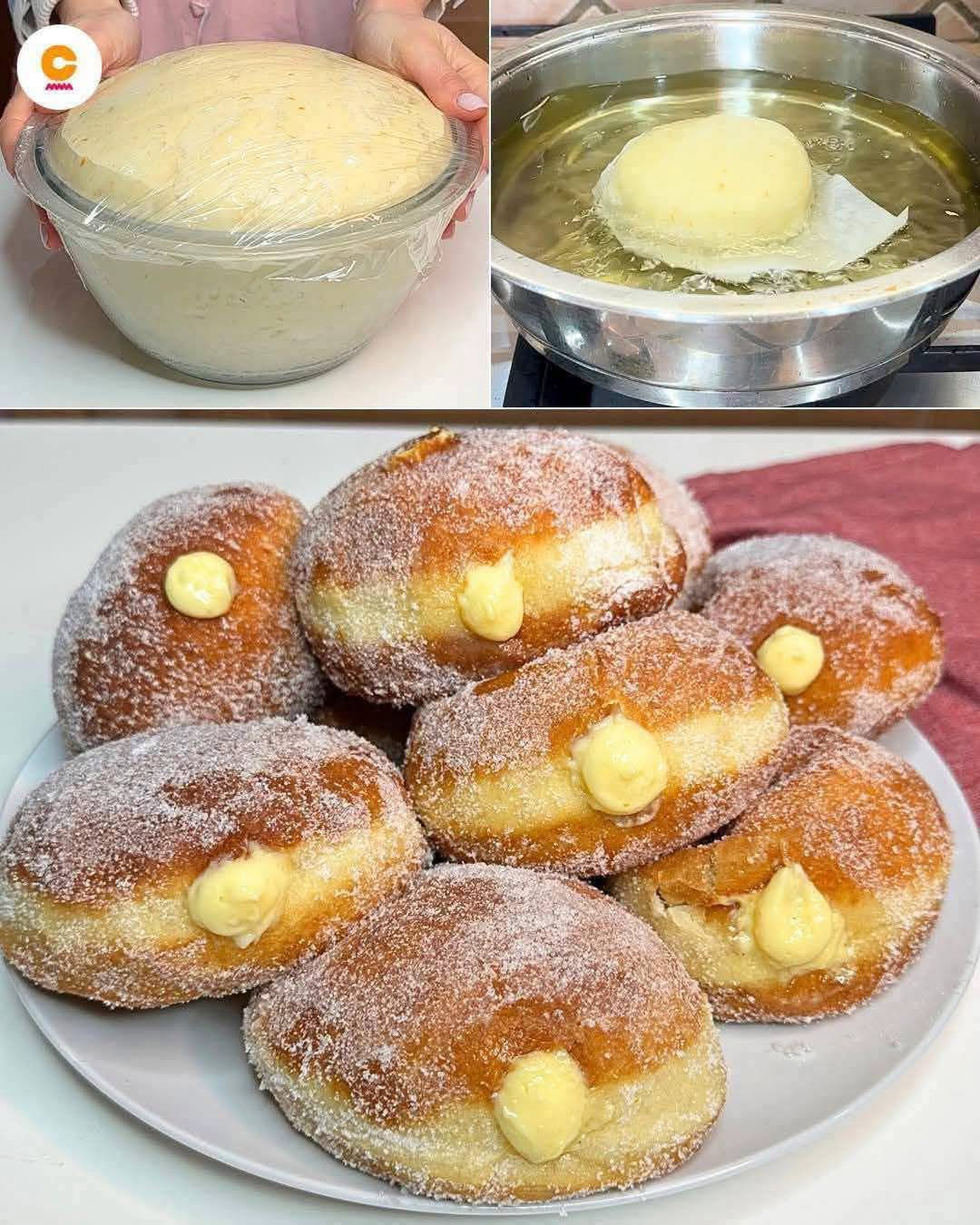
Easy Fried Cake Made With Just 2 Eggs
Introduction
Sometimes the simplest recipes become the ones we make again and again. This easy fried cake uses just two eggs and a handful of basic pantry ingredients to create a delicious homemade snack. It is lightly crisp on the outside, soft and tender inside, and wonderfully satisfying with a cup of tea or coffee.
Unlike traditional oven-baked cakes, this recipe is prepared in a frying pan, making it especially convenient when you want something sweet without turning on the oven. It is quick enough for an afternoon treat and simple enough for beginners.
Ingredients
For the Cake
- 2 large eggs
- 1/2 cup granulated sugar
- 1/2 cup milk
- 1/4 cup vegetable oil
- 1 teaspoon vanilla extract
- 1 1/2 cups all-purpose flour
- 2 teaspoons baking powder
- 1 pinch of salt
- 1 tablespoon cornstarch, optional, for a lighter texture
For Frying
- 2 to 3 tablespoons vegetable oil, or enough to lightly coat the pan
Optional Finishing
- Powdered sugar
- Ground cinnamon
- Honey
- Jam
- Chocolate spread
- Fresh fruit
Preparation
Before beginning, gather all the ingredients and allow refrigerated ingredients to come close to room temperature. Measure the flour carefully so the finished cake does not become too heavy.
Prepare a heavy-bottomed nonstick frying pan. A pan with a lid is ideal because it helps the cake cook evenly without burning the bottom.
Instructions
Step 1: Beat the Eggs
Place the two eggs in a large mixing bowl. Add the sugar and whisk for approximately 2 to 3 minutes until the mixture becomes lighter in color and slightly foamy.
This step helps incorporate air into the batter and contributes to a softer final texture.
Step 2: Add the Wet Ingredients
Pour in the milk, vegetable oil, and vanilla extract. Whisk until everything is thoroughly combined.
Do not overmix at this stage. The goal is simply to create a smooth liquid mixture.
Step 3: Prepare the Dry Ingredients
In a separate bowl, combine the flour, baking powder, salt, and optional cornstarch.
Gradually add the dry ingredients to the egg mixture, stirring gently after each addition.
Mix just until the flour disappears and you have a thick, smooth batter. Avoid excessive mixing because it can make the finished cake dense.
Step 4: Heat the Pan
Place a nonstick frying pan over low to medium-low heat.
Add a small amount of vegetable oil and spread it evenly across the bottom.
The pan should be warm but not smoking. Cooking this cake over moderate heat is important because the outside can brown quickly while the center is still uncooked.
Step 5: Add the Batter
Pour the batter into the prepared pan and spread it gently into an even layer.
Immediately reduce the heat to low and cover the pan with a lid.
Allow the cake to cook slowly for approximately 8 to 12 minutes, depending on the thickness of the batter and the heat of your stove.
Step 6: Check the Bottom
After several minutes, carefully lift one edge with a spatula.
The bottom should be golden brown and firm, while the top should begin to look set.
If the bottom is becoming dark too quickly, reduce the heat further.
Step 7: Turn the Cake
When the first side is cooked, carefully place a large plate over the pan and invert the cake onto the plate.
Slide the cake back into the frying pan with the uncooked side facing downward.
Cook for another 5 to 8 minutes over low heat, preferably covered, until the second side is golden and the center is completely cooked.
Step 8: Test for Doneness
Insert a toothpick or thin skewer into the center.
If it comes out clean or with only a few moist crumbs attached, the cake is ready.
If wet batter remains on the toothpick, continue cooking for another 1 to 2 minutes at a time.
Step 9: Cool and Serve
Transfer the finished cake to a plate or cooling rack.
Allow it to rest for several minutes before slicing. This gives the interior time to finish setting and makes the cake easier to cut.
Dust with powdered sugar or serve with your favorite topping.
Cooking Method
The main technique behind this recipe is gentle stovetop cooking.
The cake batter is placed directly into a lightly oiled frying pan and cooked slowly with the lid on. The covered pan traps heat and moisture, allowing the cake to cook more evenly.
The most important point is temperature control. High heat can quickly burn the bottom while leaving the middle raw. Low to medium-low heat allows the cake to develop a beautiful golden crust while the center cooks gradually.
Turning the cake halfway through cooking ensures that both sides receive enough heat.
Formation and Texture
The eggs provide structure and help bind the ingredients together. Sugar adds sweetness and contributes to browning, while milk gives the cake a softer texture.
Vegetable oil keeps the crumb tender and prevents the cake from becoming dry. Baking powder provides the necessary lift, creating a lighter texture.
The finished cake should have a lightly golden exterior with a soft, tender interior. When cooked correctly, it should be firm enough to slice while remaining pleasantly moist.
A Brief History
Fried cakes and other pan-cooked sweet breads have appeared in many culinary traditions because they require little equipment. Long before modern kitchens were equipped with ovens, cooks often prepared breads, pancakes, fritters, and cakes directly on heated pans, griddles, or cooking surfaces.
Recipes like this one belong to the broader tradition of simple home cooking, where inexpensive ingredients such as eggs, flour, milk, sugar, and oil could be transformed into a satisfying treat.
Modern versions have become popular because they are fast, economical, and particularly useful for people who do not have access to an oven or simply want a quick homemade dessert.
Helpful Tips
- Use low heat. This is the most important rule for a successful stovetop cake.
- Use a nonstick pan if possible. It makes turning the cake much easier.
- Do not make the batter too thick. If necessary, add one or two tablespoons of milk.
- Avoid opening the lid repeatedly. Keeping the pan covered helps the center cook properly.
- Do not rush the flipping process. Wait until the bottom is firm and golden.
- Let the cake rest before cutting. Cutting immediately can make the center appear less set.
- For extra flavor, add a little grated lemon zest, orange zest, cinnamon, or a small amount of cocoa powder.
Serving Ideas
This cake can be served warm or at room temperature.
For a simple presentation, sprinkle powdered sugar over the top.
For a richer dessert, serve slices with honey, jam, chocolate spread, whipped cream, or fresh fruit.
It also makes a lovely breakfast or afternoon snack alongside tea, coffee, or milk.
Variations
Cinnamon Cake
Add 1 teaspoon of ground cinnamon to the dry ingredients for a warm, fragrant flavor.
Lemon Cake
Add 1 teaspoon of finely grated lemon zest and replace the vanilla with a small amount of lemon extract if desired.
Chocolate Cake
Replace 2 tablespoons of flour with 2 tablespoons of unsweetened cocoa powder.
Coconut Cake
Add 1/3 cup of shredded coconut to the batter.
Apple Cake
Finely dice one small apple and gently fold it into the finished batter before cooking.
Conclusion
This two-egg fried cake is proof that a delicious homemade treat does not require complicated ingredients or an oven. With only a few basic pantry staples, you can prepare a soft, golden, satisfying cake directly in a frying pan.
It is an excellent recipe for beginners, busy mornings, unexpected guests, afternoon tea, or simply those moments when you want something homemade and comforting.
The secret is patience: mix the batter gently, keep the heat low, cover the pan, and allow the cake to cook slowly. The result is a simple homemade cake that is economical, versatile, and easy to love.
For the Cake Lovers
If you love easy homemade cakes, this is the kind of recipe worth keeping in your collection. It can be served plain for a simple snack or dressed up with fruit, cream, chocolate, cinnamon, or your favorite spread.
And if someone sends you this recipe with a friendly greeting, pass along the kindness. Good recipes are even better when they are shared.