
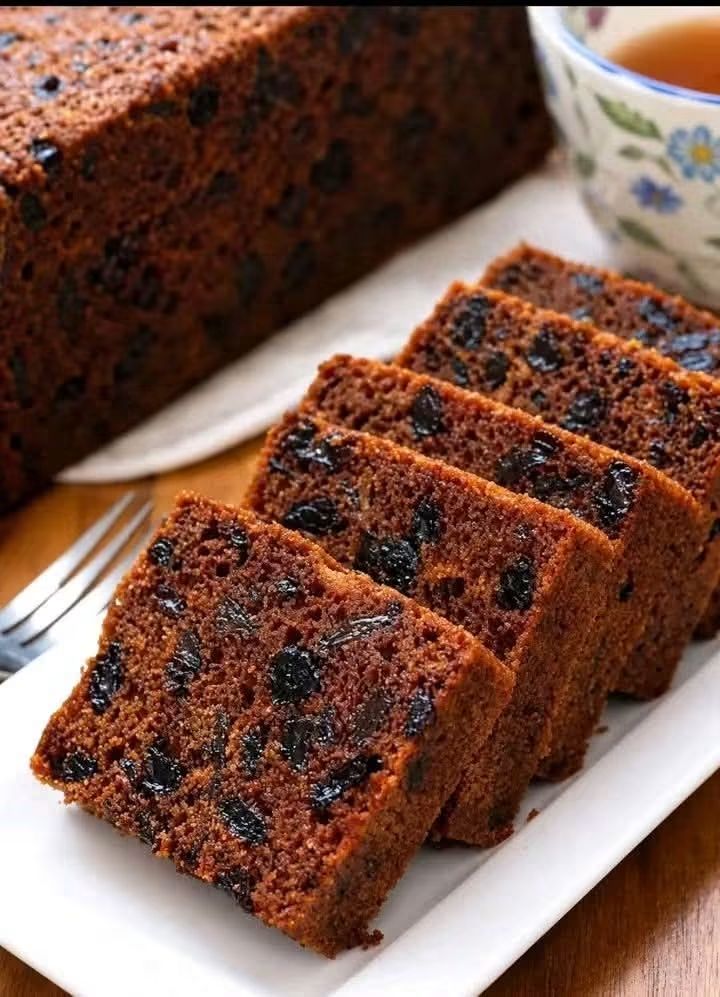
Steamed Fruit Cake
Introduction
Steamed Fruit Cake is a rich, moist, fragrant cake filled with dried fruits and warm spices. Unlike a traditional oven-baked fruit cake, this version is gently cooked in a steamer, creating a remarkably soft and tender texture.
The combination of raisins, sultanas, cherries, dates, orange zest, cinnamon, and nutmeg gives the cake a deep, comforting flavor. Brown sugar adds a gentle caramel note, while butter provides richness and the orange juice adds freshness.
Steaming is particularly useful for fruit cakes because the gentle, moist heat helps prevent the cake from drying out. The finished cake is dense enough to hold all the fruit but remains soft and moist when sliced.
This is an excellent cake for holidays, afternoon tea, family gatherings, celebrations, or simply whenever you want an old-fashioned homemade dessert.
Ingredients
For the Fruit Mixture
- 1 cup mixed dried fruits, such as raisins, sultanas, dried cherries, and chopped dates
- 1 cup brown sugar
- 1 cup melted butter or vegetable oil
- 1/2 cup milk
- 1/2 cup orange juice or rum
- Zest of 1 orange or lemon
For the Cake Batter
- 2 cups all-purpose flour
- 4 large eggs
- 1 teaspoon baking powder
- 1 teaspoon mixed spice or ground cinnamon
- 1/2 teaspoon ground nutmeg
- 1/2 teaspoon salt
- 1 teaspoon vanilla extract
For Finishing
- 1–2 tablespoons rum, orange juice, or fruit syrup, optional
- Additional dried fruit for decoration, optional
Equipment
- 1 square cake pan, approximately 8 inches
- Parchment paper
- Aluminum foil
- Large deep pot or steamer
- Heatproof rack or metal stand
- Wire cooling rack
Preparation
Begin by preparing the cake pan. Line the bottom and sides with parchment paper and lightly grease the paper with a little butter or oil. The parchment will make it much easier to remove the steamed cake once it has cooled.
Choose a cake pan that fits comfortably inside your steamer or large cooking pot. There should be enough room around the pan for steam to circulate.
Method 1: Preparing the Fruit Mixture
Place the mixed dried fruits, brown sugar, melted butter or vegetable oil, milk, and orange juice or rum into a saucepan.
Put the saucepan over medium heat and bring the mixture to a gentle simmer. Stir occasionally and cook for approximately 5 to 7 minutes.
The purpose of this step is not to boil the mixture aggressively. Instead, the gentle heat allows the dried fruits to absorb some of the liquid, soften, and become plump.
Remove the saucepan from the heat and stir in the orange or lemon zest.
Allow the fruit mixture to cool completely before adding the eggs. This step is important because adding eggs to a very hot mixture could cause them to partially cook.
Method 2: Making the Batter
Once the fruit mixture has cooled, place the eggs and vanilla extract in a separate bowl.
Whisk until the eggs are lightly beaten and the vanilla is evenly incorporated.
Pour the egg mixture into the cooled fruit mixture and stir thoroughly.
In another bowl, sift together the flour, baking powder, mixed spice or cinnamon, nutmeg, and salt.
Gradually add the dry ingredients to the fruit mixture.
Fold everything together gently with a spatula or wooden spoon until the flour has just disappeared. Avoid excessive mixing because overmixing can make the finished cake heavier than necessary.
The batter should be thick and rich, with the dried fruits distributed throughout.
Method 3: Filling the Cake Pan
Transfer the batter into the prepared cake pan.
Spread the surface evenly with the back of a spoon or spatula.
Tap the pan gently on the counter once or twice to remove any large air pockets.
Cover the top of the cake pan tightly with aluminum foil. This is an important part of the steaming process because it prevents condensation from the lid of the pot from dripping directly onto the cake.
Make sure the foil is securely sealed around the pan.
Method 4: Steaming the Cake
Fill a large deep pot with water and bring it to a boil.
Place a heatproof rack, trivet, or metal stand inside the pot. The cake pan should sit above the water rather than directly in it.
Carefully place the covered cake pan on the rack.
The water should reach partway up the outside of the cake pan but should not enter the pan. You want the cake to cook from the surrounding steam, not from direct contact with the boiling water.
Cover the pot tightly with its lid.
Reduce the heat to medium and steam the cake for approximately 1 hour 30 minutes to 2 hours.
The exact cooking time can vary depending on the depth of the pan, the strength of the heat, and the amount of steam produced.
Check the water level occasionally. If additional water is needed, add hot water rather than cold water so the steaming process is not interrupted.
Avoid opening the pot unnecessarily because each opening allows a significant amount of steam and heat to escape.
Method 5: Testing for Doneness
After approximately 1 hour 30 minutes, carefully check the cake.
Insert a wooden skewer or thin knife into the center.
If it comes out clean or with only a few moist crumbs attached, the cake is ready.
If wet batter remains on the skewer, cover the cake again and continue steaming for another 10 to 15 minutes before testing again.
Because fruit cakes contain dried fruit, the skewer may occasionally pass through a piece of fruit and appear slightly moist. Test another area of the cake if necessary.
Method 6: Cooling
Once the cake is fully cooked, carefully remove the pan from the steamer.
Allow it to rest in the pan for approximately 15 minutes.
Remove the foil and allow excess steam to escape.
Carefully transfer the cake to a wire rack and allow it to cool completely.
Do not slice the cake while it is extremely hot. Allowing it to cool gives the structure time to firm up and makes slicing much easier.
Optional Finishing Method
For an extra-rich finish, lightly brush the cooled cake with rum, orange juice, or fruit syrup.
If using rum, apply it gradually rather than soaking the cake heavily. A small amount brushed over the surface can add fragrance without overwhelming the natural fruit and spice flavors.
You can also decorate the top with a few additional dried cherries, raisins, candied orange peel, or chopped nuts.
The Formation of the Cake
The texture of this steamed fruit cake comes from the interaction between the flour, eggs, butter or oil, fruit, and steam.
The flour provides the main structure. Eggs help bind the ingredients together while also contributing richness and stability. Baking powder provides gentle leavening, while the steam keeps the cooking environment moist.
The dried fruits absorb some of the liquid during preparation and steaming. This is one reason the cake becomes particularly moist and flavorful.
Brown sugar contributes sweetness and a subtle caramel-like depth. Orange zest brightens the flavor, while cinnamon, mixed spice, and nutmeg provide the characteristic warmth associated with traditional fruit cakes.
Steaming also allows the cake to cook gradually. Instead of being surrounded by the dry heat of an oven, the cake develops in a humid environment, helping it retain moisture.
History of Steamed Fruit Cakes
Steamed cakes have a long history in many culinary traditions. Before modern ovens became common household equipment, steaming was an accessible way to prepare cakes, puddings, and other desserts.
Fruit-filled steamed puddings and cakes became particularly popular in Britain and other regions influenced by British cooking traditions. Dried fruits were practical ingredients because they could be stored for long periods and provided concentrated sweetness throughout the year.
Steaming was also useful in kitchens where oven space was limited or where a moist, dense dessert was preferred.
Over time, steamed fruit cakes developed into many regional variations. Some versions use alcohol such as rum or brandy, while others use tea, fruit juice, or milk. Spices also vary according to family tradition.
This recipe follows that same comforting tradition while using a straightforward fruit mixture and a simple steaming method.
Tips for the Best Steamed Fruit Cake
Use a Variety of Fruits
A mixture of raisins, sultanas, cherries, and dates gives the cake more interesting flavor and texture than using only one type of dried fruit.
Chop Large Fruits
If using large dates, dried apricots, or large pieces of candied fruit, chop them into smaller pieces. This helps distribute them evenly through the batter.
Cool the Fruit Mixture
Always allow the cooked fruit mixture to cool before adding the eggs.
Do Not Overmix
Once the flour is added, fold the batter gently until combined.
Keep the Cake Covered
The foil protects the surface from condensation and helps maintain the proper texture.
Maintain the Water Level
Never allow the pot to boil dry. Add hot water whenever necessary.
Give the Cake Time to Cool
The cake becomes easier to slice and develops a better texture after cooling completely.
Storage
Once completely cooled, wrap the cake tightly in plastic wrap or place it in an airtight container.
It can be stored at room temperature for several days, provided the environment is cool and dry.
For longer storage, refrigerate the cake in a tightly sealed container. Allow it to come closer to room temperature before serving for the best texture.
The flavor can become even deeper after resting because the fruit and spices have more time to mingle.
Serving Suggestions
Steamed Fruit Cake can be served plain because it is already rich and flavorful.
For a more indulgent dessert, serve slices with:
- Whipped cream
- Vanilla ice cream
- Custard
- Warm fruit sauce
- Orange glaze
- A light dusting of powdered sugar
- A spoonful of thick yogurt
For afternoon tea, serve thin slices alongside tea or coffee.
During the holiday season, slightly warmed slices pair particularly well with custard or vanilla ice cream.
For Fruit Cake Lovers
Fruit cake lovers will appreciate this recipe because it delivers the traditional combination of dried fruit and warm spices in a wonderfully moist cake.
The orange zest gives it a fresh citrus aroma, while the brown sugar and dried fruits create a rich sweetness. The steaming method makes the cake especially tender and helps keep the interior from becoming dry.
It is also an excellent recipe for people who enjoy traditional homemade desserts but want something different from a conventional oven-baked fruit cake.
Conclusion
Steamed Fruit Cake is a classic-style dessert built around simple ingredients, dried fruits, warm spices, and gentle cooking.
The steaming method creates a soft, moist texture while allowing the flavors of the fruit, orange zest, cinnamon, and nutmeg to develop beautifully.
It is suitable for holidays, celebrations, family gatherings, afternoon tea, or an ordinary day when you want a comforting homemade cake.
Prepare it patiently, keep the steam consistent, allow the cake to cool completely, and you will have a rich fruit cake that can be enjoyed plain or dressed up with your favorite topping.
Most importantly, this is the kind of recipe that can easily become a family favorite and be adapted over time with different dried fruits, spices, juices, or finishing touches.