
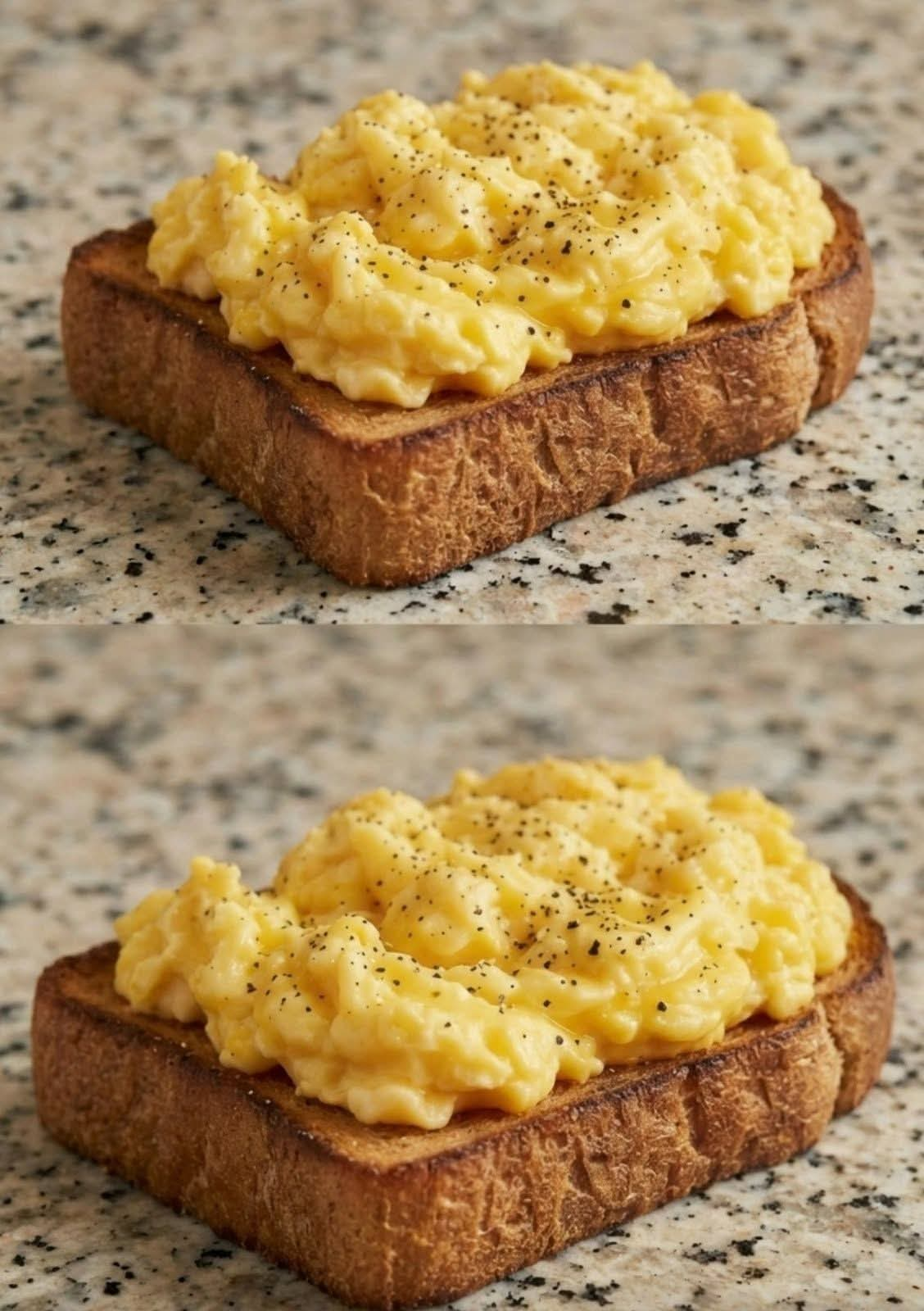
The Most Perfect Fluffy and Creamy Scrambled Eggs
Introduction
There are few breakfasts as simple and comforting as a plate of perfectly cooked scrambled eggs. Yet, despite how easy they seem, scrambled eggs can quickly become dry, rubbery, watery, or overcooked.
The secret to truly fluffy and creamy scrambled eggs is not complicated. It comes down to a few small details: whisking the eggs thoroughly, using gentle heat, adding a little richness, and taking the eggs off the heat while they still look slightly softer than you want them to be.
This method produces scrambled eggs that are tender, creamy, fluffy, and full of rich egg flavor. They are wonderful for a relaxed weekend breakfast, a quick weekday meal, or a family brunch. Once you try this technique, ordinary scrambled eggs may never taste quite the same again.
Ingredients
For 2 to 3 servings:
- 6 large eggs
- 2 tablespoons whole milk or heavy cream
- 1 tablespoon unsalted butter
- 1/4 teaspoon salt, or to taste
- 1/8 teaspoon freshly ground black pepper
- 1 tablespoon finely chopped fresh chives or parsley, optional
- 1 tablespoon grated Parmesan cheese, optional
Instructions
1. Crack and whisk the eggs
Crack the eggs into a medium bowl. Add the milk or cream, salt, and black pepper.
Whisk vigorously for about 30 to 45 seconds. The eggs should be completely combined and slightly foamy. This helps incorporate air into the mixture, which contributes to a lighter texture.
2. Heat the pan gently
Place a nonstick skillet over low to medium-low heat.
Add the butter and allow it to melt slowly. Do not let the butter become deeply browned unless you specifically want a browned-butter flavor.
The gentle heat is important because eggs cook quickly. High heat can cause the proteins to tighten rapidly, resulting in dry and rubbery eggs.
3. Add the eggs
Pour the whisked eggs into the skillet.
Allow them to sit undisturbed for approximately 10 to 15 seconds. As the bottom begins to set, use a silicone spatula to gently push the cooked eggs from the outside of the pan toward the center.
4. Create soft, large curds
Continue moving the eggs slowly around the pan.
Instead of constantly stirring or chopping them into tiny pieces, use broad, gentle strokes with the spatula. Allow soft curds to form while the uncooked egg flows into the empty spaces.
Keep the heat low and take your time.
5. Remove them before they look completely finished
This is one of the most important parts of the method.
When the eggs are mostly set but still look slightly glossy and creamy, remove the skillet from the heat. The remaining heat will continue cooking them for a short time.
If you wait until the eggs look completely dry in the pan, they will likely be overcooked by the time they reach the plate.
6. Finish and serve
Taste the eggs and adjust the seasoning if necessary.
Add fresh chives or parsley if desired. For extra richness, sprinkle a small amount of Parmesan cheese over the eggs.
Serve immediately while they are warm, fluffy, and creamy.
The Method Behind Perfect Scrambled Eggs
The technique is more important than using a large number of ingredients.
Gentle heat
Low to medium-low heat gives you much greater control. Eggs contain proteins that become firm as they cook. Cooking them too aggressively causes those proteins to tighten quickly and squeeze out moisture.
Gentle cooking allows the eggs to remain tender.
Thorough whisking
Whisking incorporates air and evenly distributes the egg whites and yolks. A well-whisked mixture produces a more consistent texture throughout the pan.
Butter for richness
Butter adds flavor while helping prevent the eggs from sticking to the pan. It also contributes to the creamy mouthfeel that makes restaurant-style scrambled eggs so appealing.
Milk or cream
A small amount of dairy can make the eggs richer and softer. Heavy cream produces a particularly luxurious texture, while whole milk creates a lighter result.
You do not need a large amount. Too much liquid can make scrambled eggs watery.
Gentle folding
Constantly stirring the eggs into tiny pieces can produce a dense texture. Instead, gently fold and push the eggs to create larger, soft curds.
Residual heat
Eggs continue cooking after the pan is removed from the burner. Taking them off the heat while they are still slightly glossy is the key to preventing overcooking.
History of Scrambled Eggs
Scrambled eggs are one of the oldest and most universal ways of preparing eggs. Eggs have been cooked in many forms across cultures for centuries, and versions of scrambled eggs have appeared in different cuisines throughout history.
The basic concept is wonderfully simple: eggs are beaten and cooked while being stirred or folded until they form soft curds.
In European cooking, scrambled eggs became associated with breakfast and light meals, while different regions developed their own variations. Some versions emphasize butter and cream, while others incorporate herbs, cheese, vegetables, meats, or spices.
Over time, scrambled eggs became a familiar breakfast staple because they require very few ingredients and can be prepared quickly.
Formation and Texture
The beautiful texture of scrambled eggs comes from the way the egg proteins change during cooking.
Raw eggs contain proteins suspended in water. As the eggs are heated, those proteins begin to unfold and connect with one another. This creates the soft structure we recognize as cooked egg.
The goal is to control that process.
Gentle heat creates delicate curds, while excessive heat causes the proteins to tighten too much. That is why the best scrambled eggs should be cooked slowly and removed from the heat before they become completely firm.
The finished eggs should be soft, creamy, and lightly glossy rather than dry.
Tips for the Best Scrambled Eggs
- Use fresh eggs whenever possible.
- Whisk the eggs thoroughly before cooking.
- Do not use excessively high heat.
- Use a good nonstick skillet.
- Add enough butter to coat the pan.
- Avoid stirring constantly.
- Create larger, soft curds with gentle movements.
- Remove the eggs while they are still slightly glossy.
- Serve immediately.
- Season according to your taste.
Delicious Variations
Cheesy Scrambled Eggs
Add shredded cheddar, Monterey Jack, Gruyere, or Parmesan during the final few seconds of cooking. Allow the cheese to melt gently into the eggs.
Herb Scrambled Eggs
Fold chopped chives, parsley, dill, or basil into the eggs just before serving.
Cream Cheese Scrambled Eggs
Add a small spoonful of softened cream cheese during the final stage of cooking. Fold gently until the cream cheese melts into the eggs.
Vegetable Scrambled Eggs
Sauté chopped mushrooms, spinach, tomatoes, onions, or peppers separately before adding the cooked vegetables to the finished eggs.
Breakfast Scramble
Serve the eggs with crispy potatoes, turkey sausage, avocado, tomatoes, and toast for a complete breakfast.
What to Serve With Scrambled Eggs
These eggs pair beautifully with:
- Toast or crusty bread
- Roasted potatoes
- Hash browns
- Fresh fruit
- Avocado
- Sausage
- Bacon
- Sautéed mushrooms
- Grilled tomatoes
- Fresh herbs
- Breakfast vegetables
For a lighter meal, serve them with fresh fruit and vegetables. For a heartier breakfast, add potatoes and your favorite breakfast protein.
Conclusion
Perfect scrambled eggs do not require complicated ingredients or professional cooking equipment. The real secret is learning to control the heat and knowing when to stop cooking.
Whisk the eggs well, cook them gently in butter, fold them rather than aggressively stirring them, and remove them from the heat while they are still slightly soft and glossy.
The result is a plate of fluffy, creamy scrambled eggs that is simple enough for an ordinary weekday breakfast but delicious enough for a special weekend brunch.
Once this method becomes part of your breakfast routine, you may find that everyone at the table starts asking for scrambled eggs more often.
For Scrambled Egg Lovers
If you love soft, creamy eggs, this recipe is an excellent basic method to keep in your breakfast collection. It is easy to customize with cheese, herbs, vegetables, or your favorite breakfast ingredients.
The beauty of this recipe is its simplicity. Six eggs, a little butter, gentle heat, and a few minutes of careful cooking can transform an ordinary breakfast into something comforting and satisfying.
The most important lesson is simple: do not rush the eggs, and do not wait until they look completely finished in the pan. Take them off the heat while they are still soft, and let the residual heat finish the cooking.
That small change can make all the difference between ordinary scrambled eggs and exceptionally fluffy, creamy scrambled eggs.