
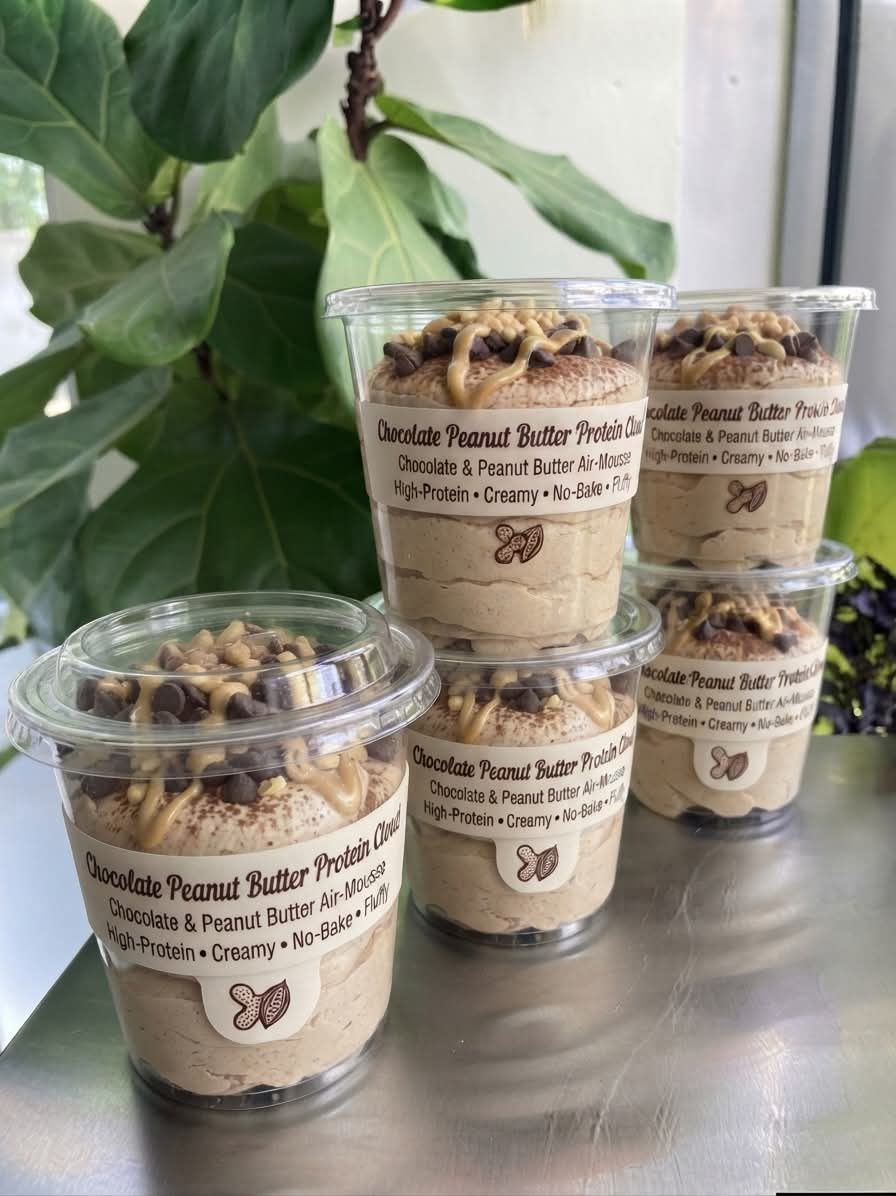
High-Protein Soft-Serve Style Ice Cream
Introduction
If you love the creamy texture of soft-serve ice cream but want something lighter, higher in protein, and more sugar-conscious, this recipe is an excellent option. It has an incredibly airy and smooth consistency, making it feel much more indulgent than its nutrition profile suggests.
Each serving can provide approximately 24 grams of protein for around 145 calories, depending on the exact brands and ingredients used. The secret is combining a creamy protein base with a little sweetener and plenty of air, creating a texture that resembles freshly whipped soft-serve.
Ingredients
For the Protein Ice Cream
- 1 cup unsweetened almond milk
- 1 scoop vanilla protein powder, approximately 25–30 g
- 1/2 cup plain nonfat Greek yogurt
- 1 tablespoon sugar-free instant vanilla pudding mix
- 1–2 tablespoons granulated zero-calorie sweetener, adjusted to taste
- 1 teaspoon vanilla extract
- 1/4 teaspoon xanthan gum
- Pinch of salt
- 1/2 cup ice cubes
Optional Additions
- 1 tablespoon powdered peanut butter
- A few drops of almond extract
- 1 teaspoon unsweetened cocoa powder
- Sugar-free chocolate chips
- Fresh berries
- Crushed nuts
- Unsweetened coconut flakes
Instructions
Step 1: Prepare the Base
Add the almond milk, Greek yogurt, protein powder, vanilla pudding mix, sweetener, vanilla extract, xanthan gum, and salt to a blender.
Blend until completely smooth. Stop the blender and scrape down the sides if necessary.
The mixture should be thick, creamy, and free of visible lumps.
Step 2: Add the Ice
Add the ice cubes gradually while blending.
Continue blending until the mixture becomes thick and fluffy. Avoid adding too much liquid because the goal is to create a dense, soft-serve consistency rather than a thin smoothie.
Step 3: Create the Airy Texture
Blend for another 30–60 seconds, allowing plenty of air to become incorporated into the mixture.
This step is important because the characteristic lightness of soft-serve comes partly from air incorporated during freezing and mixing.
Step 4: Taste and Adjust
Taste the mixture before serving.
If you prefer it sweeter, add a little more zero-calorie sweetener. If you want a stronger vanilla flavor, add another small splash of vanilla extract.
If the mixture is too thick, add a tablespoon of almond milk at a time. If it is too thin, allow it to chill for several minutes or add a very small amount of additional xanthan gum.
Step 5: Serve
For the best soft-serve experience, spoon or pipe the mixture directly into a chilled bowl or serving glass.
Serve immediately for the softest texture.
Alternative Freezer Method
For a firmer ice-cream consistency, transfer the blended mixture to a freezer-safe container.
Freeze for approximately 30–60 minutes, checking frequently.
Once it reaches your preferred consistency, stir or blend it briefly before serving. This helps restore some of the creamy texture.
Avoid freezing it solid for many hours without reprocessing because high-protein, low-fat mixtures can become quite firm in the freezer.
The Method Behind the Texture
Several ingredients work together to produce the distinctive consistency.
The protein powder contributes protein and structure, while Greek yogurt adds creaminess and a slight tang. Sugar-free pudding mix helps thicken the mixture and gives it a smoother mouthfeel.
Xanthan gum is used in a very small quantity to help bind water and prevent the mixture from becoming icy. The blender incorporates air, creating the light and fluffy texture associated with soft-serve ice cream.
The result is a dessert that feels rich and creamy without requiring large amounts of cream or sugar.
A Brief History of Soft-Serve Ice Cream
Soft-serve ice cream became particularly popular in the United States during the twentieth century. Unlike traditional hard-frozen ice cream, soft-serve is served at a warmer temperature and contains incorporated air, giving it its characteristic soft, smooth texture.
Modern homemade high-protein versions borrow that concept and adapt it using ingredients such as Greek yogurt, protein powder, alternative milks, and low-calorie sweeteners.
This recipe is essentially a modern, home-friendly interpretation of that classic soft-serve experience.
Flavor Variations
Chocolate Protein Soft Serve
Replace the vanilla pudding mix with chocolate pudding mix and add 1 tablespoon of unsweetened cocoa powder.
Peanut Butter Protein Soft Serve
Add 1–2 tablespoons of powdered peanut butter to the base. Blend thoroughly for a creamy peanut butter flavor.
Strawberry Protein Soft Serve
Add a small handful of frozen strawberries. Reduce the ice slightly so the mixture remains thick and creamy.
Chocolate Chip
Prepare the vanilla base and fold in a small amount of sugar-free chocolate chips immediately before serving.
Coconut Vanilla
Add 1 tablespoon of unsweetened shredded coconut and a few drops of coconut extract for a tropical variation.
Tips for the Best Results
Use very cold ingredients whenever possible. Cold ingredients help the mixture reach its thickest consistency.
Do not add too much xanthan gum. A tiny amount is enough; excessive amounts can make the dessert gummy.
Choose a protein powder that you already enjoy drinking because its flavor will strongly influence the finished dessert.
For the smoothest result, use a powerful blender and blend until completely creamy.
For an especially thick result, chill the blended mixture briefly before serving.
Nutritional Information
Approximate nutrition per serving:
- Calories: about 145
- Protein: about 24 g
- Sugar: varies according to the protein powder, yogurt, and sweetener used
- Carbohydrates: varies by ingredients
- Fat: varies according to the milk and protein powder selected
Nutrition will vary considerably between brands, so check the labels of your specific ingredients for the most accurate calculation.
Conclusion
This high-protein soft-serve style ice cream is proof that a lighter dessert does not have to feel like a compromise. It is creamy, airy, satisfying, and simple enough to prepare whenever you want something sweet.
With approximately 24 grams of protein and around 145 calories per serving, it can be an especially appealing choice for anyone looking for a protein-rich dessert while keeping added sugar under control.
For Ice Cream Lovers
If you are an ice cream lover who enjoys creamy desserts but wants a lighter alternative, this recipe is worth keeping in your collection. The vanilla version is a perfect starting point, but the chocolate, peanut butter, strawberry, and coconut variations make it easy to create a different flavor whenever the craving strikes.
The best part is that you can customize the sweetness, flavor, thickness, and toppings to suit your preferences while keeping the basic recipe quick and uncomplicated.