
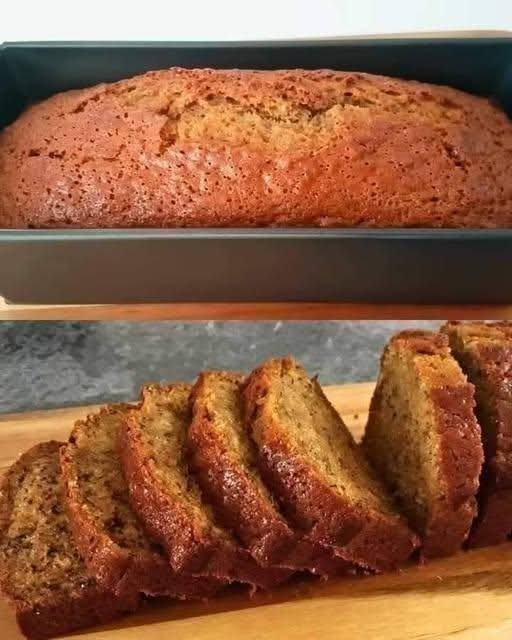
Moist Banana Bread Recipe – Soft, Buttery, Sweet, and Delicious
Introduction
There is nothing quite like the smell of freshly baked banana bread filling your kitchen. Warm, sweet, buttery, and full of ripe banana flavor, this homemade Moist Banana Bread is the kind of comforting treat that makes an ordinary day feel special. Every slice is tender and soft, with a lightly golden crust and a deliciously moist center that stays fresh for days when stored properly.
This easy banana bread recipe combines mashed ripe bananas, melted butter, brown sugar, white sugar, eggs, milk, cinnamon, and vanilla to create a wonderfully balanced flavor. The brown sugar adds a subtle caramel taste, while the cinnamon brings warmth and the vanilla makes every bite smell irresistible.
Whether you enjoy it for breakfast, serve it with afternoon tea, pack it as a snack, or share it with family and friends, this banana bread is always a welcome treat. It is also an excellent way to use overripe bananas that might otherwise go to waste.
You do not need special equipment or professional baking skills to make this recipe. With a few simple ingredients, one mixing bowl for the wet ingredients, and a loaf pan, you can prepare a homemade banana bread that tastes like it came straight from a cozy bakery.
Preparation Details
- Preparation time: 15 minutes
- Baking time: 50–60 minutes
- Cooling time: 15–20 minutes before removing from the pan
- Total time: Approximately 1 hour 20 minutes
- Servings: 8–10 slices
- Difficulty: Easy
- Oven temperature: 350°F (175°C)
Ingredients
Dry Ingredients
- 1½ cups all-purpose flour (maida), approximately 200 g
- 1 teaspoon baking powder (4 g)
- 1 teaspoon baking soda (5 g)
- ¼ teaspoon ground cinnamon
- ¼ teaspoon salt
Wet Ingredients
- 2 or 3 ripe bananas, mashed (approximately 1 cup)
- 2 large eggs, at room temperature
- ⅓ cup melted butter (75 g), slightly cooled
- ¼ cup brown sugar (50 g)
- ½ cup granulated white sugar (100 g)
- ½ cup milk (120 ml)
- 1 teaspoon vanilla essence (5 ml)
Optional Additions
You can personalize your banana bread by adding any of the following ingredients:
- ½ cup chopped walnuts or pecans for a pleasant crunch
- ½ cup chocolate chips for a sweeter dessert-style loaf
- ¼ cup shredded coconut for extra texture
- A pinch of nutmeg for a warmer spice flavor
- A few thin banana slices for decorating the top before baking
These additions are optional. The original recipe is delicious on its own.
Instructions
Step 1: Prepare the Oven and Loaf Pan
Preheat your oven to 350°F (175°C). Grease a standard 9 × 5-inch loaf pan with butter or oil, or line it with parchment paper.
Leave a little parchment paper hanging over the sides if you want to lift the finished loaf out easily.
Preparing the pan before mixing the batter helps you transfer the mixture into the oven promptly.
Step 2: Mash the Bananas
Peel the ripe bananas and place them in a large mixing bowl. Mash them with a fork until they form a thick, soft mixture.
A few small lumps are perfectly fine and can add character to the finished loaf. However, avoid leaving large pieces of banana, as they may create overly wet pockets in the bread.
For the best flavor, use bananas with plenty of brown spots on their skins. These are usually sweeter, softer, and more aromatic than firm, yellow bananas.
Step 3: Mix the Wet Ingredients
Add the melted butter to the mashed bananas and stir until combined.
Add the brown sugar and granulated sugar. Mix until the sugars are evenly distributed throughout the banana mixture.
Next, add the eggs, one at a time, mixing after each addition. Pour in the milk and vanilla essence, then stir until the mixture looks smooth and well combined.
Make sure the melted butter is not extremely hot when you add it, because excessive heat can begin cooking the eggs.
Step 4: Combine the Dry Ingredients
In a separate bowl, whisk together the all-purpose flour, baking powder, baking soda, cinnamon, and salt.
Mixing these ingredients separately helps distribute the raising agents and spices evenly throughout the flour.
This step is important because it helps the banana bread rise more uniformly and prevents concentrated pockets of baking soda or baking powder in the finished loaf.
Step 5: Combine the Wet and Dry Mixtures
Gradually add the dry ingredients to the wet banana mixture.
Using a wooden spoon or spatula, gently fold everything together until the flour is just incorporated.
Do not beat the batter excessively. Overmixing develops gluten in the flour and can make the bread dense, chewy, or tough instead of soft and tender.
The finished batter should be thick but easy to spread. If you are adding nuts or chocolate chips, fold them in gently at this stage.
Step 6: Transfer the Batter to the Pan
Pour the batter into the prepared loaf pan. Use a spatula to spread it evenly into the corners.
Gently tap the pan against the countertop once or twice to release any large air pockets.
If desired, place a thin banana slice along the center of the top for a simple homemade bakery-style appearance.
Step 7: Bake Until Golden
Place the loaf pan on the middle rack of the preheated oven.
Bake for approximately 50–60 minutes. Baking time may vary depending on your oven, the moisture in the bananas, and the size of your pan.
The top should become golden brown, and the center should feel set.
Insert a toothpick into the middle of the loaf. If it comes out clean or with a few moist crumbs, the bread is ready. If it comes out with wet batter, continue baking for another 5–10 minutes and test again.
If the top becomes brown too quickly while the center remains uncooked, loosely cover it with aluminum foil for the remaining baking time.
Step 8: Cool the Banana Bread
Remove the loaf from the oven and place the pan on a wire rack.
Allow the bread to rest in the pan for 15–20 minutes. Carefully remove it and let it cool further before slicing.
Although it may be tempting to cut into the bread immediately, allowing it to cool helps the crumb set and makes slicing easier.
For the softest texture, use a sharp serrated knife and cut the loaf into even slices.
Method of Preparation
This banana bread uses a simple mixing method rather than a complicated creaming technique.
First, the ripe bananas are mashed to provide natural sweetness, moisture, and flavor. The melted butter contributes richness, while the combination of brown sugar and white sugar gives the loaf both a caramel-like depth and a familiar sweetness.
The eggs help bind the ingredients together and provide structure. Milk adds moisture, and vanilla and cinnamon complement the natural banana flavor.
The dry ingredients are combined separately to ensure even distribution of the flour, salt, cinnamon, baking powder, and baking soda. When the two mixtures are brought together, gentle folding is essential.
During baking, the raising agents produce gas that helps the batter expand. The eggs and flour gradually set, forming the structure of the loaf, while the banana, butter, and milk help keep the interior tender.
The result is a golden loaf with a soft crumb, a delicate crust, and a rich banana aroma.
The History of Banana Bread
Banana bread became especially popular in American home baking during the 1930s, when printed recipes increasingly featured chemical leavening agents such as baking powder and baking soda.
As these ingredients became common household staples, home cooks could make quick breads without waiting for yeast to rise. Overripe bananas also provided a practical way to use fruit that was too soft to enjoy on its own.
Banana bread eventually became a beloved recipe in family kitchens because it was economical, easy to prepare, and adaptable to different tastes. Some families added nuts, others included spices, and many developed their own versions using butter, oil, yogurt, or different amounts of sugar.
Today, banana bread is enjoyed around the world. It can be served as a simple breakfast loaf, a lunchbox snack, or a comforting homemade dessert.
This moist version follows that familiar tradition while combining ripe bananas, butter, brown sugar, milk, cinnamon, and vanilla for a flavorful and tender result.
The Formation of Perfect Moist Banana Bread
Several factors work together to create the ideal banana bread.
1. The Bananas
Bananas are the heart of the recipe. As they ripen, their starches convert into sugars, making them sweeter and softer. Their natural moisture helps prevent the loaf from becoming dry.
2. The Butter
Melted butter gives the bread a rich flavor and tender texture. It also contributes to the pleasant aroma that develops as the loaf bakes.
3. The Sugar Combination
White sugar provides sweetness, while brown sugar adds a deeper, slightly caramel-like flavor. Together, they create a balanced taste that complements the bananas.
4. The Eggs
Eggs help bind the ingredients, contribute structure, and support the bread’s rise. They also help the loaf hold together when sliced.
5. The Milk
Milk adds liquid to the batter, helping create a soft interior. The amount of moisture in the bananas can vary, so the texture of the batter may differ slightly from one batch to another.
6. The Raising Agents
Baking powder and baking soda help the loaf rise. Baking soda also reacts with acidic ingredients in the batter, including the bananas to some extent.
For the most consistent results, measure the raising agents carefully and make sure they are fresh.
7. Gentle Mixing
One of the most important secrets is to avoid overmixing. Once the flour is incorporated, stop stirring. This helps preserve a tender, delicate crumb.
8. Proper Baking and Cooling
Baking at the correct temperature allows the loaf to cook evenly. Cooling it before slicing helps the structure settle, giving you neat slices instead of a crumbly or gummy center.
Expert Tips for the Best Banana Bread
Choose very ripe bananas. Bananas with brown spots offer the best sweetness and flavor.
Measure the flour accurately. Too much flour can make the loaf dry and heavy. If using measuring cups, spoon the flour into the cup and level it rather than packing it down.
Avoid overmixing. Fold the batter gently and stop as soon as no dry flour remains.
Use room-temperature eggs. They generally blend more easily into the other ingredients.
Check the center before removing the loaf. A golden crust does not necessarily mean the middle is fully baked.
Protect the top if necessary. If the loaf browns too quickly, cover it loosely with foil.
Let the bread cool before cutting. This helps preserve its soft texture and makes each slice easier to handle.
Delicious Serving Ideas
Moist banana bread is wonderful on its own, but it can also be served in several delicious ways.
For Breakfast
Serve a slice with coffee, tea, warm milk, or a bowl of fresh fruit. Lightly toast the bread if you prefer a warm exterior with a soft center.
For Afternoon Tea
Arrange slices on a serving plate and offer them with tea or coffee. A little butter spread over a warm slice creates a simple, comforting treat.
For Dessert
Serve banana bread with a spoonful of whipped cream, a little vanilla yogurt, or a scoop of vanilla ice cream.
For a Special Occasion
Cut the loaf into neat slices and arrange them on a platter. A light dusting of powdered sugar or a few chopped nuts can make the presentation more attractive.
Storage Instructions
At Room Temperature
Allow the bread to cool completely. Store it in an airtight container at room temperature for approximately 2–3 days in a cool environment.
In the Refrigerator
For longer storage, place the completely cooled loaf in an airtight container and refrigerate it for up to about one week. Refrigeration can make the texture firmer, so let a slice come closer to room temperature before serving.
In the Freezer
Banana bread freezes well. Wrap individual slices or the whole cooled loaf tightly, then place it in a freezer-safe bag or container. Freeze for up to 3 months for best quality.
Thaw slices at room temperature or warm them gently before serving.
Reheating
Warm an individual slice in the microwave for approximately 10–15 seconds, adjusting the time as needed. You can also toast a slice lightly for a warm, slightly crisp edge.
Variations to Try
Chocolate Chip Banana Bread
Fold ½ cup of chocolate chips into the finished batter before baking. The chocolate adds sweetness and creates delicious pockets throughout the loaf.
Banana Walnut Bread
Add ½ cup of chopped walnuts or pecans for a nutty flavor and a little crunch.
Cinnamon Banana Bread
Increase the cinnamon to ½ teaspoon and add a light cinnamon-sugar topping before baking for a more pronounced spice flavor.
Banana Coconut Bread
Add ¼ cup of shredded coconut to the batter. Coconut pairs beautifully with the sweet banana flavor.
Banana Bread Muffins
Divide the batter among lined muffin cups, filling each about two-thirds full. Bake at 350°F (175°C) for approximately 18–25 minutes, checking for doneness with a toothpick.
A Less-Sweet Version
If you prefer a less sweet loaf, you can reduce the granulated sugar slightly. Keep in mind that changing the sugar quantity may also affect the moisture, browning, and texture.
Common Mistakes to Avoid
Using underripe bananas: They usually provide less sweetness and a less intense banana flavor.
Adding too much flour: This can create a dry, dense loaf.
Overmixing the batter: Excessive mixing can make the bread tough.
Using an oven that is too hot: The outside may brown before the center is cooked.
Removing the loaf too early: Wet batter on the toothpick means the center needs more time.
Slicing while very hot: The crumb may compress or fall apart before it has set.
Storing the bread while warm: Trapped steam can make the surface damp. Allow it to cool before sealing it in a container.
Conclusion
This Moist Banana Bread Recipe is a wonderful example of how a few everyday ingredients can become something truly special. Ripe bananas, melted butter, brown sugar, milk, eggs, cinnamon, and vanilla come together to create a loaf that is soft, flavorful, and satisfying.
It is simple enough for beginner bakers, delicious enough to serve to guests, and versatile enough to enjoy at breakfast, during an afternoon break, or as a homemade dessert.
The best part is that you can adapt it to your family’s preferences by adding nuts, chocolate chips, coconut, or extra cinnamon. Once you master the basic method, you may find yourself returning to this recipe whenever you have ripe bananas waiting in the kitchen.
Serve it fresh, share it with loved ones, and enjoy the comforting taste of homemade baking.
For All Banana Bread Lovers
If you love homemade treats that are easy to prepare and full of comforting flavor, this banana bread deserves a place in your recipe collection.
The golden crust, soft center, sweet banana aroma, and buttery flavor make every slice worth enjoying. Whether you serve it to your family at breakfast or share it with friends over a cup of tea, it is a simple recipe that brings people together.
A little baking inspiration: Keep a few ripe bananas on hand, gather your ingredients, and make a loaf whenever you want something warm and homemade.
If you love this recipe, share it with someone who enjoys baking, save it for later, and tell us in the comments whether you prefer your banana bread plain, with walnuts, or filled with chocolate chips.
Thank you for supporting these recipes and sharing the joy of homemade food. Your enthusiasm helps keep delicious family favorites alive, one recipe at a time.
Enjoy every soft, moist, and delicious slice!