
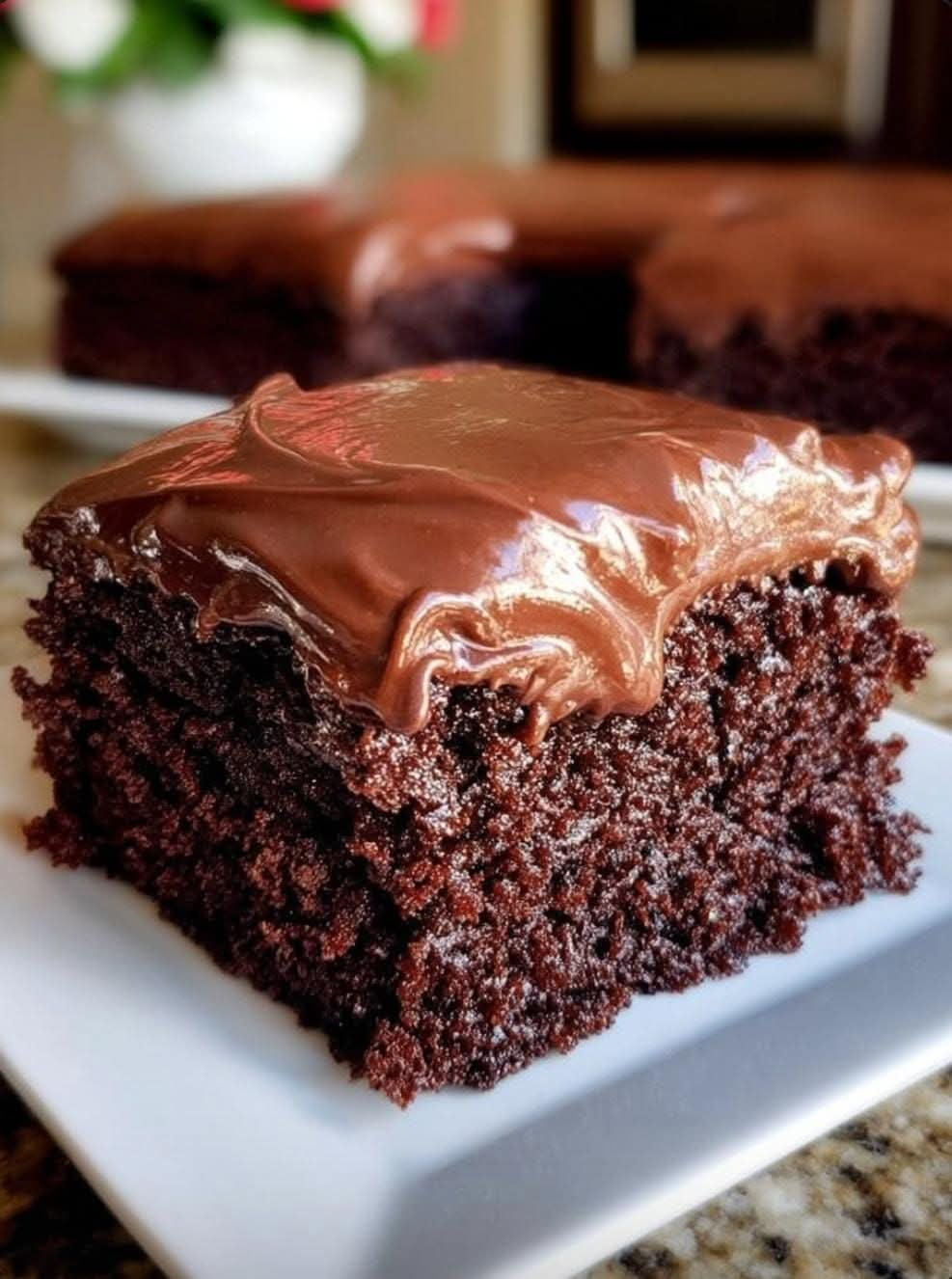
Old-Fashioned Homemade Vanilla Cake — A Taste of Childhood
Introduction
Some recipes are more than just food. They are beautiful reminders of childhood, family gatherings, and the wonderful moments we shared around the kitchen table. One bite of a familiar homemade dessert can bring back memories of a mother’s warm kitchen, the sweet smell of something baking in the oven, and the excitement of waiting for a delicious treat to be ready.
This Old-Fashioned Homemade Vanilla Cake is inspired by the simple, comforting desserts that generations of families have enjoyed. Made with everyday baking ingredients, it has a soft, tender crumb, a delicate vanilla flavor, and a golden exterior. It is the kind of cake that tastes wonderful served plain with a cup of tea or dressed up with a creamy frosting for birthdays and special occasions.
If you have ever searched for a recipe from your childhood and struggled to find it under the name you remember, you know how special it feels to discover something familiar again. This cake celebrates those treasured family traditions and the joy of bringing old-fashioned homemade goodness back into your kitchen.
Ingredients
For the Cake
- 2 cups all-purpose flour
- 1 cup granulated sugar
- 1/2 cup unsalted butter, softened
- 2 large eggs, at room temperature
- 3/4 cup whole milk
- 2 teaspoons vanilla extract
- 2 teaspoons baking powder
- 1/4 teaspoon salt
Optional Vanilla Frosting
- 1/2 cup unsalted butter, softened
- 2 cups powdered sugar
- 1 teaspoon vanilla extract
- 2–3 tablespoons milk
- A small pinch of salt
Instructions
Step 1: Prepare the Oven and Pan
Preheat the oven to 350°F (175°C). Grease an 8-inch or 9-inch round cake pan with butter and lightly dust it with flour. Alternatively, line the bottom with parchment paper to make removing the cake easier.
Preparing the pan before mixing the batter helps ensure that the cake releases cleanly after baking.
Step 2: Combine the Dry Ingredients
In a medium bowl, whisk together the flour, baking powder, and salt. Mixing these ingredients first distributes the leavening agent evenly throughout the flour and helps the cake rise consistently.
Set the bowl aside while preparing the butter and sugar.
Step 3: Cream the Butter and Sugar
Place the softened butter and granulated sugar in a large mixing bowl. Beat for approximately 3–4 minutes until the mixture becomes pale, light, and fluffy.
This step incorporates air into the batter, contributing to a tender cake texture.
Step 4: Add the Eggs and Vanilla
Add the eggs one at a time, beating well after each addition. Scrape down the sides of the bowl as needed to ensure everything is evenly combined.
Mix in the vanilla extract. The vanilla gives the cake its familiar, comforting aroma and sweet flavor.
Step 5: Add the Flour and Milk
Add about one-third of the dry ingredients to the butter mixture and mix gently. Pour in half the milk, followed by another portion of the flour mixture.
Continue alternating the remaining milk and flour, finishing with the dry ingredients. Mix just until the batter is smooth. Avoid overmixing, as this can make the finished cake dense.
Step 6: Fill the Cake Pan
Pour the batter into the prepared pan and spread it evenly with a spatula. Gently tap the pan against the countertop once or twice to release any large air bubbles.
Step 7: Bake Until Golden
Place the pan in the preheated oven and bake for approximately 25–35 minutes, depending on the pan size and your oven.
The cake is ready when the top is lightly golden, the center springs back when gently touched, and a toothpick inserted into the middle comes out clean or with a few moist crumbs.
Step 8: Cool the Cake
Remove the cake from the oven and allow it to rest in the pan for about 10 minutes. Carefully transfer it to a wire rack and let it cool completely before frosting.
For a traditional homemade dessert, the cake can also be served without frosting.
Step 9: Prepare the Optional Frosting
Beat the softened butter until creamy. Gradually add the powdered sugar, then mix in the vanilla extract and two tablespoons of milk.
Beat until light and fluffy. Add a little more milk if necessary to achieve a smooth, spreadable consistency.
Spread the frosting over the completely cooled cake.
Methods of Preparation
The Traditional Creaming Method
The creaming method is a classic baking technique in which butter and sugar are beaten together before adding the eggs and remaining ingredients. This method helps produce a soft, even crumb and a light texture.
The Gentle Mixing Method
Once the flour is added, mix only until the ingredients come together. Excessive mixing can develop gluten and make the cake tougher than intended.
The Oven-Baking Method
Bake the cake at a moderate temperature to allow the center to cook without overbrowning the outside. Since ovens vary, begin checking the cake a few minutes before the expected baking time.
The Simple Serving Method
Allow the cake to cool before slicing. Serve it plain, dusted with powdered sugar, topped with vanilla frosting, or accompanied by fresh fruit.
The History of Old-Fashioned Homemade Cakes
Homemade cakes have long been part of family celebrations and everyday traditions. Before modern boxed cake mixes became widely popular, many home bakers prepared cakes from basic pantry ingredients such as flour, sugar, butter, eggs, and milk.
Recipes were often handwritten in notebooks, passed from mother to daughter, or shared among neighbors and friends. Some families measured ingredients by weight, while others relied on familiar cups, spoons, and personal experience.
Vanilla cakes became popular because they were adaptable and relatively simple to prepare. They could be served as everyday desserts or transformed into celebration cakes with icing, preserves, fruit, or other toppings.
Every family developed its own variations. Some cakes were richer and buttery, while others were lighter or flavored with lemon, nutmeg, or almond extract. As recipes traveled between households, their names sometimes changed, making it difficult to identify an old favorite years later.
Although this particular recipe is a modern reconstruction of a traditional-style cake rather than a verified historical family recipe, it captures the simplicity and warmth associated with classic home baking.
Formation and Texture of the Cake
The final texture of this cake depends on how the ingredients work together.
Flour provides the structure that holds the cake together.
Butter contributes richness, flavor, and tenderness.
Sugar adds sweetness, helps create a delicate crumb, and assists with browning.
Eggs bind the ingredients and help support the cake’s structure.
Milk adds moisture and helps create a smooth batter.
Baking powder releases gas during baking, helping the cake rise.
Vanilla extract gives the cake its familiar aroma and flavor.
During baking, the batter expands as air and gases create a lighter interior. The proteins in the eggs and flour set, while the starches absorb moisture and help establish the cake’s final structure.
The result should be a tender, moist cake with an evenly baked center and a lightly golden surface.
Helpful Tips for the Best Results
- Use room-temperature eggs and milk to help the batter combine evenly.
- Measure the flour carefully. Too much flour can make the cake dry.
- Cream the butter and sugar thoroughly before adding the eggs.
- Avoid overmixing after adding the flour.
- Check the cake early because baking times vary between ovens and pan sizes.
- Let the cake cool completely before adding frosting.
- Store the unfrosted cake in an airtight container at room temperature for up to three days, or refrigerate a frosted cake if its frosting requires refrigeration.
For a slightly different flavor, add a little lemon zest, a pinch of cinnamon, or a handful of finely chopped nuts.
Serving Suggestions
This cake is delicious in many different ways.
- Serve a plain slice with coffee, tea, or warm milk.
- Add fresh strawberries or raspberries for a fruity touch.
- Spread raspberry jam between two cake layers.
- Top with whipped cream for a simple celebration dessert.
- Add vanilla buttercream for birthdays and family gatherings.
- Warm a slice slightly and serve with a scoop of vanilla ice cream.
For a nostalgic presentation, keep the decoration simple and serve the cake on a traditional plate, just as you might remember from childhood.
Conclusion
Old-fashioned homemade cakes remind us that some of life’s greatest pleasures come from the simplest ingredients. A little flour, butter, sugar, eggs, milk, and vanilla can become something special when prepared with care.
This vanilla cake is a lovely starting point for anyone who enjoys traditional baking and the comforting flavors of homemade desserts. It is easy enough for an ordinary afternoon and delicious enough to share with family and friends.
Perhaps the most beautiful part of a treasured recipe is not its name or even its ingredients, but the memories it brings back. Food connects generations, preserves family traditions, and gives us a reason to gather around the table.
If you have been searching for a childhood favorite, keep looking through old recipe books, family notes, and familiar flavors. Sometimes the recipe you remember is still waiting to be rediscovered.
For the Lovers of Homemade Recipes
This recipe is for everyone who loves the smell of a cake baking in the oven, the comfort of a familiar dessert, and the memories created by family cooking.
It is for those who remember their mothers and grandmothers preparing something delicious without measuring every ingredient perfectly. It is for anyone who believes that a homemade dessert can turn an ordinary day into a special occasion.
Share this cake with the people you love, save the recipe for another day, and continue creating traditions that can be passed down through generations.
Do you have a childhood recipe that you have been searching for over the years? Share the name, ingredients, or memories you remember. Sometimes, a small detail can help bring a treasured family recipe back to life.