
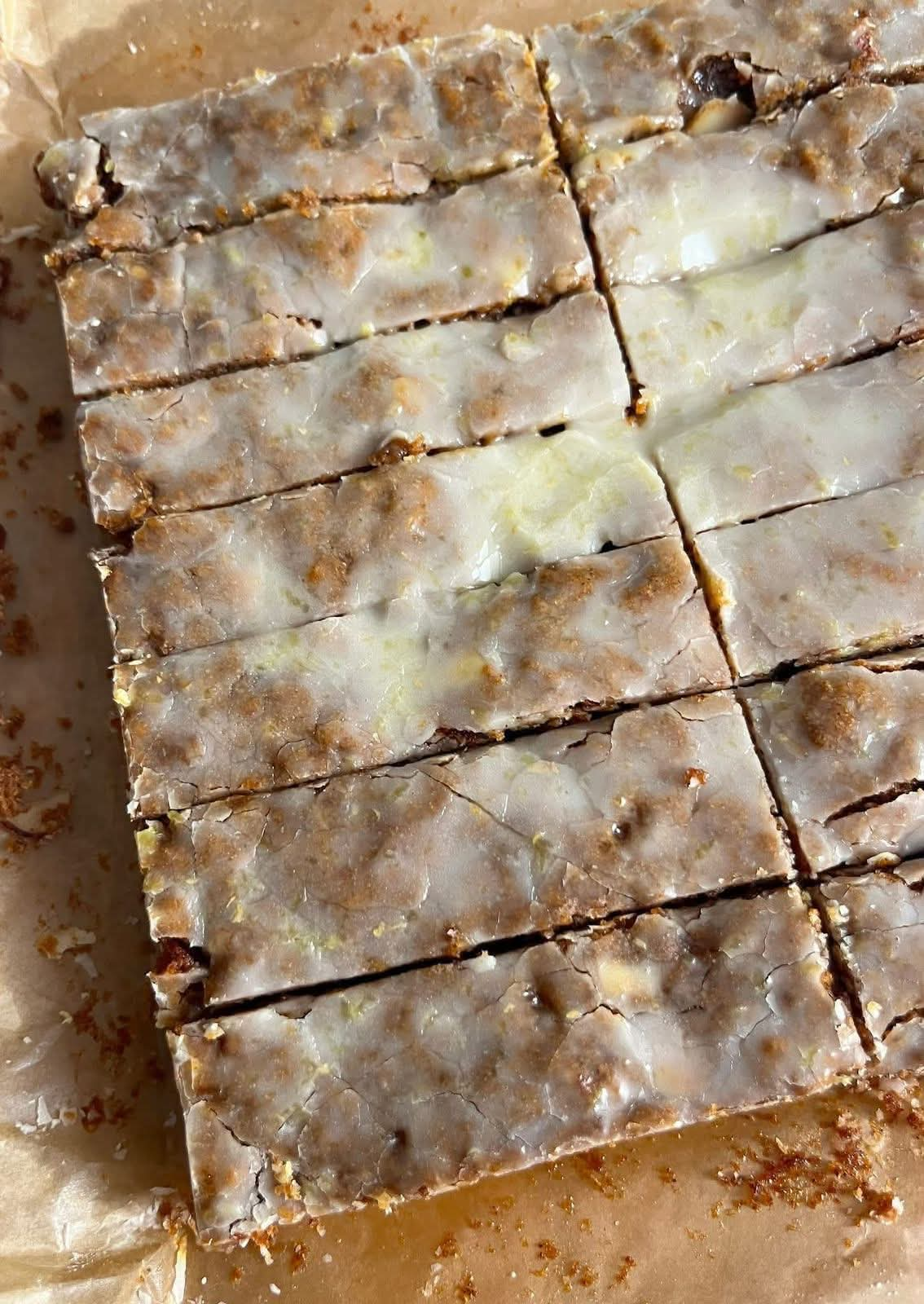
Traditional Nuremberg Christmas Lebkuchen (German Gingerbread Cookies)
Introduction
These beloved Christmas cookies carry the warmth of family traditions, old kitchens, and holiday memories. Known as Nuremberg Lebkuchen, these soft, fragrant gingerbread cookies come from , a city famous for its centuries-old Christmas markets and baking heritage.
Many families have their own treasured Lebkuchen recipes passed down through generations. The tradition of baking them early and letting them rest for days — sometimes weeks — allows the spices, nuts, and sweetness to blend together into a deeper, richer flavor. This recipe recreates that magical holiday experience: a tender cookie filled with warm spices, almonds, hazelnuts, citrus, and memories.
History of Nuremberg Lebkuchen
Lebkuchen has been part of German baking culture since the Middle Ages. Nuremberg became especially famous for these cookies because of its location on important European trade routes, which allowed bakers to use valuable spices such as cinnamon, cloves, ginger, and nutmeg.
The city’s bakers developed a special style called Elisenlebkuchen, considered one of the finest forms of Lebkuchen. Instead of relying heavily on flour, these cookies are made mostly with nuts, making them moist, rich, and intensely flavorful.
Traditionally, families baked them before Christmas and stored them in tins so the flavors could mature. This waiting period became part of the holiday excitement — a hidden treasure saved for Christmas celebrations.
Ingredients
For the Lebkuchen Cookies
- 3 cups (300 g) finely ground almonds
- 2 cups (200 g) finely ground hazelnuts
- 1 cup (200 g) granulated sugar
- 1/2 cup (100 g) brown sugar
- 3 large eggs
- 3 tablespoons honey
- 1 teaspoon vanilla extract
- 2 teaspoons ground cinnamon
- 1 teaspoon ground ginger
- 1/2 teaspoon ground cloves
- 1/2 teaspoon ground nutmeg
- 1/4 teaspoon ground allspice
- 1/2 teaspoon salt
- Zest of 1 lemon
- Zest of 1 orange
- 1/2 cup finely chopped candied orange peel
- 1/2 cup finely chopped candied lemon peel
- 1 teaspoon baking powder
- About 20–25 round baking wafers (Oblaten), optional
For the Chocolate Glaze
- 200 g dark chocolate
- 1 tablespoon coconut oil or butter
For the Sugar Glaze
- 1 cup powdered sugar
- 2–3 tablespoons lemon juice or water
Instructions and Method
Step 1: Prepare the Dough
- In a large bowl, beat the eggs with granulated sugar and brown sugar until light and creamy.
- Add honey and vanilla extract. Mix well.
- Stir in lemon zest, orange zest, candied citrus peel, and spices.
- Add ground almonds, hazelnuts, baking powder, and salt.
- Mix until a thick, sticky dough forms.
The dough should be moist and fragrant, with the beautiful aroma of Christmas spices filling the kitchen.
Step 2: Rest the Dough
Cover the dough and refrigerate for at least 4 hours, preferably overnight.
This resting time allows the spices to spread throughout the dough and creates the deep traditional flavor that makes Lebkuchen special.
Step 3: Shape the Cookies
- Heat oven to 325°F (160°C).
- Place baking wafers on a lined baking tray if using.
- Scoop portions of dough onto each wafer and gently shape into round cookies.
- Leave a little space between cookies.
If you do not have wafers, simply bake them directly on parchment paper.
Step 4: Bake
Bake for 15–18 minutes.
The cookies should feel slightly soft in the center. Do not overbake — traditional Lebkuchen should remain tender and moist.
Allow them to cool completely before decorating.
Decorating Methods
Chocolate Covered Lebkuchen
- Melt chocolate with coconut oil or butter.
- Dip the tops of cooled cookies into the chocolate.
- Let them set on parchment paper.
Traditional White Glaze
- Mix powdered sugar with lemon juice.
- Brush over cookies.
- Allow the glaze to dry before storing.
You can also decorate with almonds, candied cherries, or festive sprinkles.
Formation and Storage
The true beauty of Lebkuchen appears after time.
Place the finished cookies in an airtight tin with parchment paper between layers. Store them for one to two weeks before serving.
During this time:
- The spices become stronger.
- The nuts release their oils.
- The texture becomes softer.
- The flavors combine beautifully.
Many German families believe Lebkuchen tastes best after it has rested.
Serving Suggestions
Lebkuchen is wonderful served with:
☕ Hot coffee
☕ German Christmas punch
☕ Tea
🍷 Mulled wine
🍫 Hot chocolate
They make beautiful holiday gifts wrapped in decorative boxes or placed in Christmas cookie tins.
Why People Love This Recipe ❤️
People love Nuremberg Lebkuchen because it is more than just a cookie — it is a memory.
It reminds many people of:
- Christmas mornings
- Family kitchens
- Grandparents’ recipes
- The smell of cinnamon and citrus
- Homemade gifts made with love
The combination of toasted nuts, honey, warm spices, and orange creates a flavor unlike any ordinary cookie.
Conclusion
Traditional Nuremberg Lebkuchen is a celebration of patience, family, and holiday tradition. The recipe may take time, but every step tells a story — from mixing the fragrant dough to waiting for the flavors to become richer.
Whether made from an old family recipe or discovered for the first time, these German Christmas cookies bring a little piece of Nuremberg’s holiday spirit into every home.
A cookie baked with love, shared with family, and remembered for generations. ❤️
Baker’s Tips
- Use fresh spices for the strongest Christmas flavor.
- Toast the nuts lightly before grinding for extra richness.
- Do not skip the resting period if you want the traditional taste.
- Store in a tin with a small piece of apple peel for extra softness (replace regularly).
- Make them ahead — they become better with age.